
The U.S. Treasury is set to expand secondary sanctions on Iran, giving countries a final ultimatum to cut economic ties or face exclusion from the dollar-based financial system.
The U.S. Treasury is set to expand secondary sanctions on Iran, giving countries a final ultimatum to cut economic ties or face exclusion from the dollar-based financial system.
The U.S. Treasury will broaden secondary sanctions on Iran, issuing a final warning to countries to sever economic ties or face exclusion from the dollar-based financial system, a source familiar with the plans said.
"We're going to them and saying: You're either with us or against us," Scott Bessent, U.S. Treasury Secretary, said, framing the campaign as an "economic D-Day" aimed at collapsing the Iranian government.
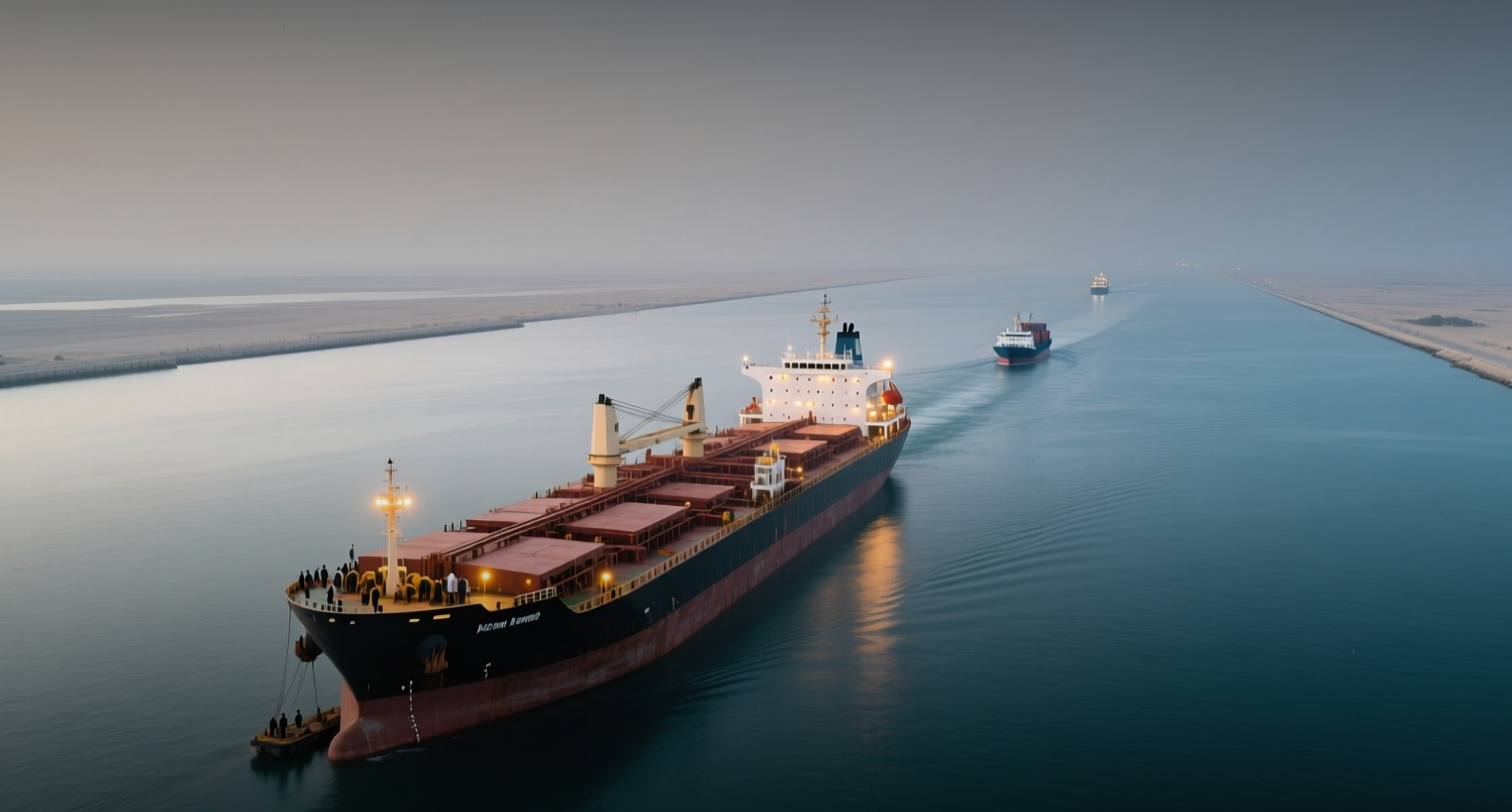
The nearly six-month conflict has bottled up the Strait of Hormuz, which carried roughly a fifth of global traded oil before February's escalation. Iran faces year-over-year inflation of 88 percent, according to recent reports, and the naval blockade reimposed in mid-July has already cut Iranian oil shipments through the waterway.
The expanded measures could test ties with China, which relies on the Gulf for 50 percent of its energy imports. Treasury has already sanctioned Chinese "teapot" refineries for Iranian oil purchases, and with President Donald Trump and Chinese President Xi Jinping scheduled to meet in Washington in late September, new sanctions on Chinese banks could jeopardize a trade deal struck last November.
Bessent is expected to detail the expanded measures at a 1 p.m. EDT press conference Monday, according to the source who spoke on condition of anonymity. The Treasury Secretary last week billed the action as the "toughest sanctions in history," saying that along with the U.S. naval blockade of Iranian ports, they would reduce the need for new "kinetic" military operations against Iran.
The U.S. has maintained sanctions against Iran for decades, most aimed at curtailing oil revenues, aviation, cryptocurrency, weapons procurement, and funding for businesses controlled by the Islamic Revolutionary Guard Corps. The sanctions bar designated entities from the dollar-based financial system, but Iran has been successful in standing up new front companies and vessel registrations to evade them.
The source said the action is likely to reveal additional categories of Iran-related conduct subject to secondary sanctions, making it easier to take action against those facilitating transactions on behalf of the Iranian government. For certain Iranian sectors, any activity, even in a third country, could be subject to secondary sanctions. The Treasury currently approves licenses for transactions in medicine, medical devices, cultural exchanges, and agricultural transactions.
A senior administration official said Bessent is expected to warn that any remaining financial lifelines, including through banks and third countries that have tolerated certain activity, must be shut down. The Treasury has "mapped Iran's oil-smuggling and sanctions-evasion network" and will present this information to countries helping Iran evade sanctions as a warning.
The Treasury in recent months has sanctioned independent Chinese "teapot" refineries for purchases of Iranian oil and expanded targeting of the shadow fleet of tankers transporting Iranian oil. A much more powerful tool is the authority to sanction banks in China and other countries facilitating transactions with Iran — a step the Trump administration has so far been unwilling to take during a delicate trade truce with Beijing.
The last time the U.S. pursued a maximum pressure campaign of this scale, from 2018 to 2021, Iranian crude exports fell to roughly 500,000 barrels per day — a level that contributed to a sharp rise in global oil prices before the Biden administration eased restrictions. Iranian crude exports had since recovered to an estimated 1.7 million barrels per day by 2024, according to analysts, but the new blockade and sanctions are expected to reverse that recovery.
The U.S. blockade of Iran's ports has already curbed Chinese offers to purchase Iranian crude, which may lessen the impact of secondary sanctions on China. Iran has rejected the sanctions as "economic terrorism," with Foreign Minister Abbas Araghchi arguing the strategy relies on failed tactics that will only alienate Iranians further. The Iranian government has vowed to circumvent restrictions through shadow oil networks and increased trade with allies like China and India.
This article is for informational purposes only and does not constitute investment advice.
