
Key Takeaways:
- A federal rule bans Chinese connected-car hardware by model-year 2030
- Eagle Wireless expects revenue to nearly double to $100 million
- Non-Chinese modules carry a 5% to 15% cost premium
Key Takeaways:
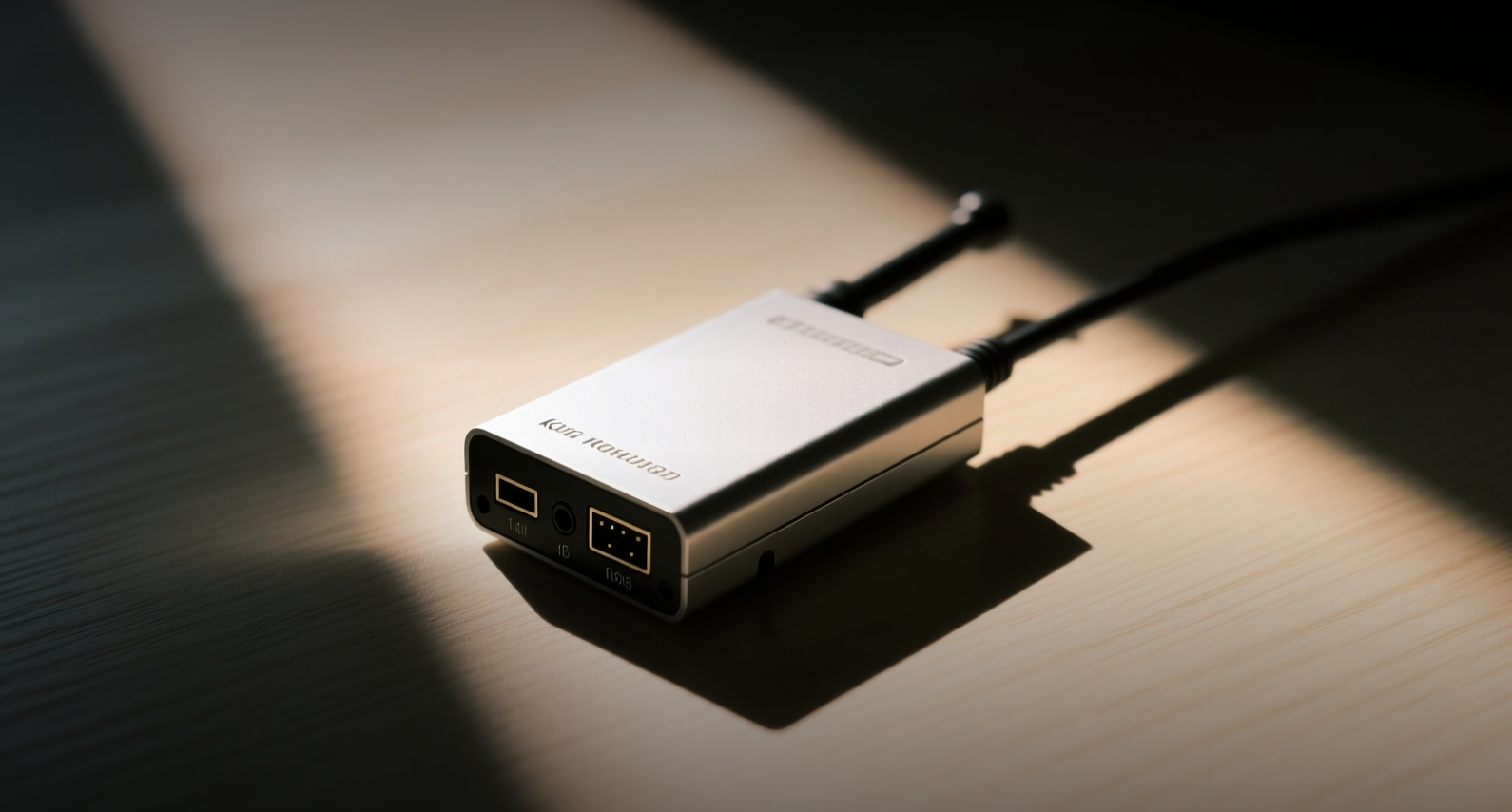
A federal rule banning Chinese connected-car hardware by model-year 2030 is forcing U.S. automakers to rebuild supply chains at a cost premium of 5% to 15%.
The U.S. auto industry is racing to replace Chinese-made connectivity modules after a January 2025 federal rule banned hardware from Chinese suppliers by model-year 2030, disrupting a supply chain where Chinese vendors account for nearly half of global shipments.
"There's a massive opportunity for us," said TJ Dembinski, president of Eagle Wireless, a U.S. module maker formed in late 2025 to fill the gap left by Chinese suppliers.
Eagle Wireless started with about 140 employees and aims to grow to 1,000 within three years. Its revenue expectations have nearly doubled to almost $100 million for the year. The company expects to reach an annual run rate of about 2 million modules by the end of the third quarter from its Solon, Ohio facility.
The rule, adopted under President Joe Biden and maintained under the Trump administration, prohibits Chinese connectivity software from the 2027 model year and hardware from 2030. With automakers planning vehicle programs years in advance, compliant suppliers must be locked in now — a costly shift that one former Detroit executive described as a "jaw-dropping" price increase for non-China alternatives.
The Cost of Compliance
Eagle Wireless is working to reach cost parity with Chinese competitors but still faces a 5% to 15% gap on its modules. The company got its start by licensing design technology from China's Quectel Wireless Solutions, the global industry leader in automotive cellular IoT modules, according to Counterpoint Research. Eagle must replace that technology with its own by the 2030 cutoff, as the rules bar any connected hardware designed, developed, manufactured or supplied by China.
"That requires a deep examination of supply chains and aggressive compliance timelines," said Hilary Cain, senior vice president of policy for the Alliance for Automotive Innovation, an industry group representing most major automakers.
The strategy of licensing Chinese technology is one the auto industry has used before. Ford is licensing battery technology from China's Contemporary Amperex Technology Co. Ltd. for U.S. battery production. Ilaria Mazzocco, deputy director and senior fellow at the Center for Strategic and International Studies, said such partnerships could either deepen dependence on China or serve as the only path for the U.S. to gain expertise in an increasingly competitive ecosystem.
Winners, Losers and Exemptions
Electric-vehicle startups like Rivian say they are in a better position to comply than more-established automakers because they can shift suppliers more nimbly. Wassym Bensaid, Rivian's software chief, said he has been careful in selecting suppliers and often builds in backups for geopolitical disruptions.
Some automakers are seeking exemptions. Ford has asked for authorization to continue importing some China-produced models. Volvo Cars, owned by China's Geely Holding, was among the first to receive an authorization. Polestar, also majority-owned by Geely, was banned last month from new-vehicle sales in the U.S. under the rule.
The components most affected include satellite communications systems, external antennas and microcontrollers that enable a vehicle's external communication, said Matt Wyckhouse, CEO of security firm Finite State and an adviser to Eagle Wireless. Most advanced driver-assistance system componentry is not yet restricted, though the government has warned it may address that separately.
The shift away from Chinese suppliers represents a significant cost increase across the board. Parts-supplier executives say car companies are demanding deeper visibility into their supply chains to ensure no Chinese components violate the rules. Eagle competes against top producers Rolling Wireless and LG in North America, with the company billing itself as a U.S.-compliant solution for automakers.
Joel Young, Eagle's technology chief, said he is racing to create a replacement product for the licensed Quectel modules without causing headaches for automakers. "I have to add a lot of engineers," he said. "We'll embrace all the tools that we can possibly have."
This article is for informational purposes only and does not constitute investment advice.
