
US AI data center construction will not stall, UBS Group says, even as local opposition blocks or delays 75 projects worth $130 billion.
US AI data center construction will not stall, UBS Group says, even as local opposition blocks or delays 75 projects worth $130 billion.
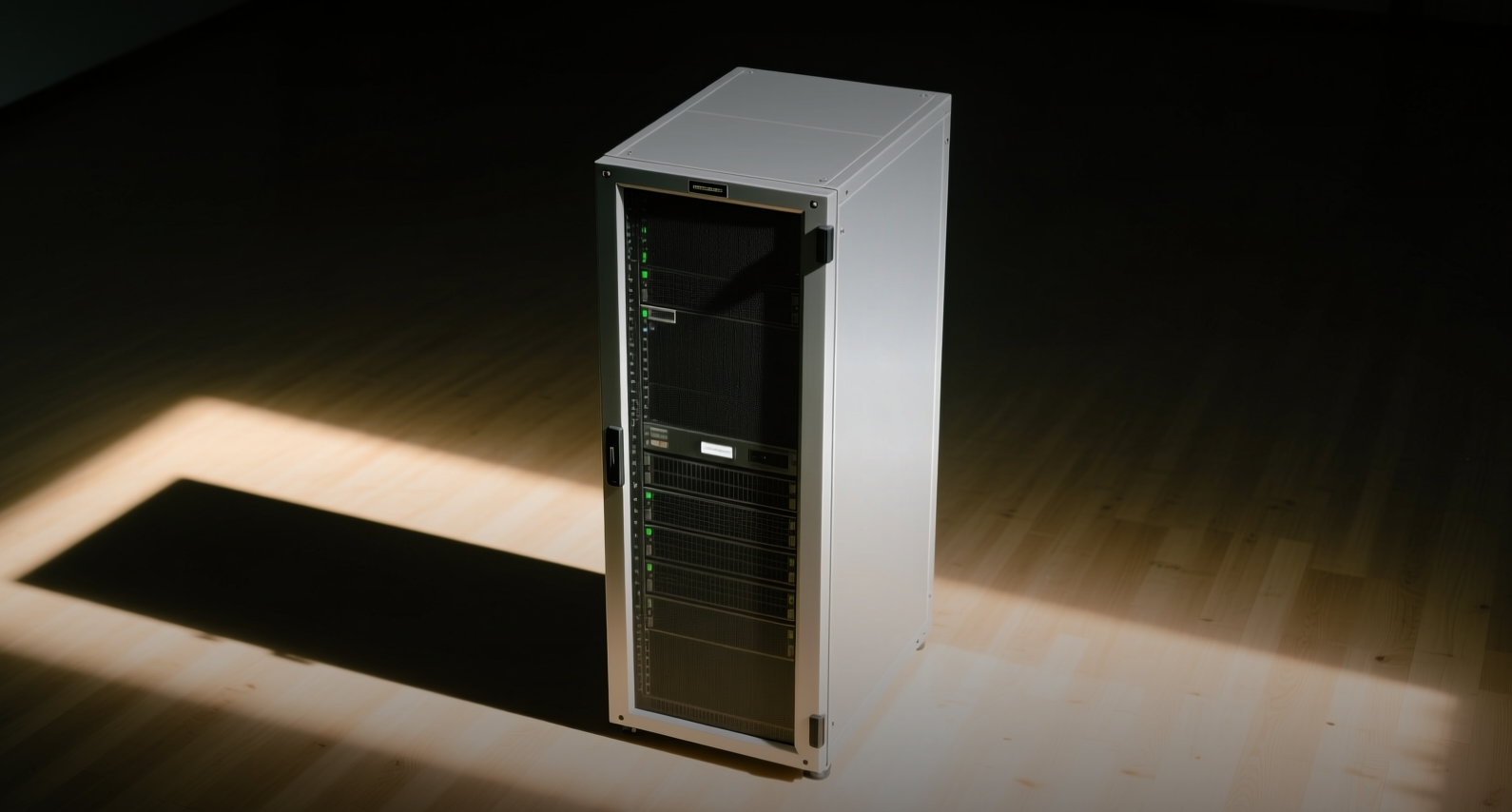
US AI data center construction will not stall, UBS Group says, even as local opposition blocks or delays 75 projects worth $130 billion.
US AI data center construction will not stall even as community opposition blocks or delays 75 projects worth $130 billion, UBS Group said, with regulatory pressure shifting from permitting toward power supply and cost-sharing.
"The industry will need to adapt its development approach," UBS analysts wrote in the report, as states reassess permitting processes, tax incentives, and who pays for new grid and water infrastructure.
UBS forecasts US investment in AI computing capacity could reach about 3 percent of economic output by 2027, with hyperscale cloud providers such as Amazon, Alphabet, Meta, Microsoft, and Oracle set to issue more than $250 billion in bonds in 2026 — more than double the 2025 level and over ten times the 2024 amount. That issuance would account for roughly 14 percent of total US investment-grade bond supply.
The stakes are high for the $7 trillion in global data center capital investment McKinsey projects by 2030. With gubernatorial elections in 36 states in November, how states resolve electricity pricing and infrastructure cost allocation could reshape where data centers get built — and which hyperscalers and utilities benefit.
A 2026 Gallup survey found 71 percent of Americans oppose AI data center construction in their own communities, with opposition spanning Democrats, Republicans, and independents. A separate Reuters and Ipsos poll showed 77 percent worry AI will push up electricity prices.
UBS attributes the backlash to a mismatch: residents bear higher electricity prices, construction disruption, and resource strain, while the productivity gains and strategic benefits of AI accrue nationally and remain largely invisible locally. Data centers face stiffer resistance than semiconductor fabs with comparable power demands, the bank noted, because fabs are tied to manufacturing reshoring and national security, while data centers read as automation and job displacement.
In the first quarter of 2026, local groups blocked or delayed 75 data center projects representing about $130 billion in planned investment — matching the total number of affected projects across all of 2025.
The Electric Power Research Institute estimates AI data centers will add 56 to 132 gigawatts of electricity demand by 2030, against a US power system of roughly 1,200 gigawatts. UBS projects data center electricity demand will reach 90 gigawatts by 2030, nearly double current levels, a figure that already accounts for bottlenecks in generation equipment, transmission, grid interconnection, and permitting.
Electricity pricing is politically sensitive. New York has imposed a one-year moratorium on new data centers consuming more than 50 megawatts, while Maine's proposed pause was vetoed by its governor. More than 70 percent of US states offer tax incentives to data centers, but UBS argues that with tech giants' ample financing capacity, unconditional incentives are inefficient and politically risky. The bank suggests requiring developers to bear the full incremental cost of substations, transmission lines, and water infrastructure, and to invest directly in schools or community projects.
Nvidia shares opened lower and reversed to gains on the day as the market digested the report's core message that AI infrastructure spending continues despite regulatory friction. For hyperscalers and utilities, developer-funded infrastructure could raise near-term project costs but also remove a key source of community opposition. States with ample power and water and clear permitting regimes stand to attract more projects, while densely populated areas with strained grids may lose investment — a geographic reshuffling that favors Texas, Virginia, and other resource-rich hubs.
This article is for informational purposes only and does not constitute investment advice.
