
Key Takeaways:
- Q2 net sales fell 25% to $73.2 million as demand weakened across both segments.
- Adjusted EPS of $0.34 included a $5.1 million one-time tariff recovery.
- Company reaffirmed full-year EPS guidance of $0.45 to $0.65.
Key Takeaways:
Universal Electronics returned to profitability in Q2 despite a 25% revenue decline, reporting adjusted EPS of $0.34 versus a loss in the prior-year quarter.
"The company is now profitable through them, on less revenue than in Q1," Interim Chief Executive Officer Richard Carnifax said, citing cost cuts that took hold faster than demand recovered.
Net sales were $73.2 million, down from $97.7 million a year earlier, as demand weakened across both connected home and home entertainment. Adjusted non-GAAP gross margin was 35.4%, including 690 basis points from the sale of tariff claims and 160 basis points from tariff refund accrual effects, offset by a 240-basis-point drag from higher component and memory costs. Non-GAAP operating expenses fell 24% to $20.1 million on personnel savings and lower discretionary spending, while adjusted operating income improved to $5.8 million, or 7.9% of sales, from 2.9% a year ago.
The $0.34 adjusted EPS included a $0.34 benefit from a nonrecurring $5.1 million recovery of previously paid tariffs; excluding it, the company still swung from a $0.10 adjusted loss in Q1 to roughly $0.04 of profit on slightly lower revenue. GAAP net income was $1.6 million, or $0.12 a share, compared with a $2.9 million net loss in the second quarter of 2025. Cash and cash equivalents stood at $32.4 million, with net cash of $11.6 million and $48.7 million in available borrowing resources.
The company declared a one-time special cash dividend of $0.24 a share, payable Oct. 15 to stockholders of record as of Aug. 24, and reaffirmed full-year adjusted non-GAAP EPS guidance of $0.45 to $0.65, up from $0.31 in fiscal 2025. Management also filed a patent infringement lawsuit against Amazon in the U.S. District Court for the Central District of California, seeking injunctive relief and monetary damages.
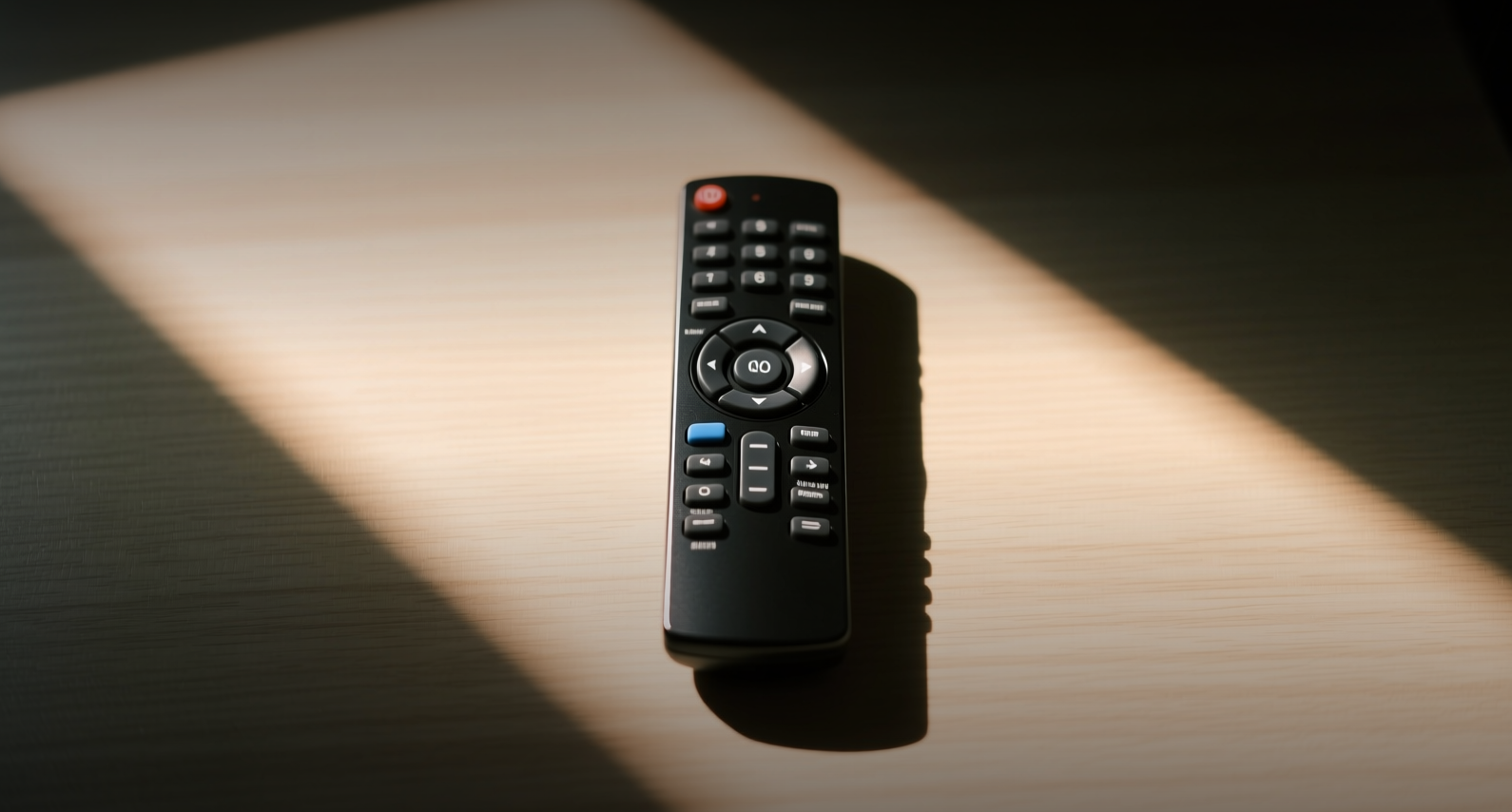
Customer concentration remained elevated, with Daikin accounting for 21% of revenue, Comcast 11.4% and Sony 8%. The company secured a sole-source remote control program with a major video customer, with production starting in November, and shipped the first mass production lot of a new smart thermostat platform to a major HVAC OEM, which has requested additional fourth-quarter volume.
Carnifax, who stepped down as interim CEO effective Aug. 6, was succeeded by Wade Michael Jenke, previously chief financial officer. Raymond Ho was named CFO and Joseph Haughawout chief operating officer. Jenke said the tariff monetization covered "materially the whole lot," with no further refunds expected.
The guidance reaffirmation signals management expects the lower cost base to carry profitability through the second half even as component cost and availability remain the central operational risk. Investors will watch the fourth-quarter earnings call for progress on the smart thermostat ramp and the Amazon litigation timeline.
This article is for informational purposes only and does not constitute investment advice.
