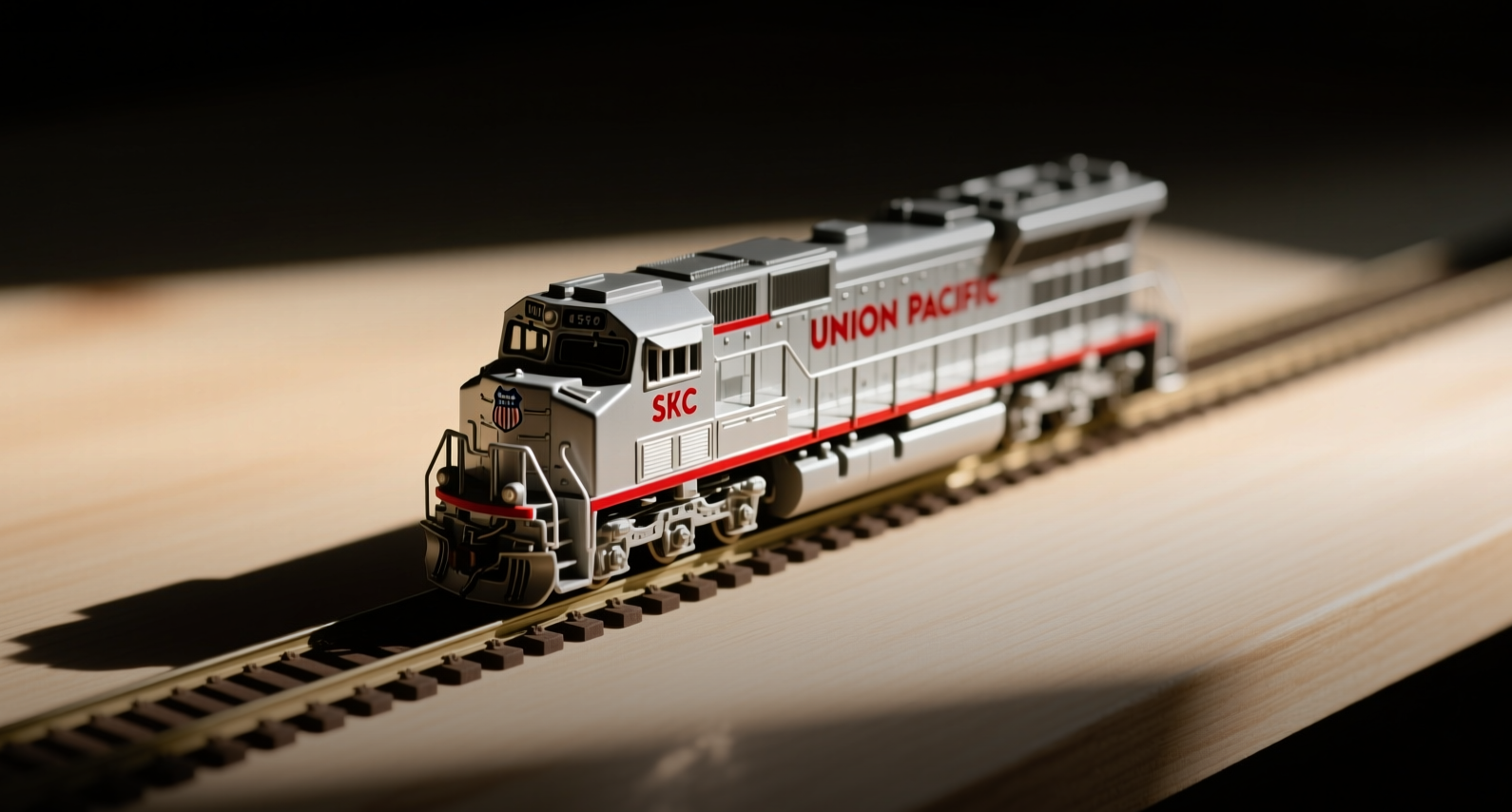
CN secured rail access rights as Union Pacific's merger with Norfolk Southern faces intensifying regulatory scrutiny.
Union Pacific and CN signed a binding agreement July 22 that grants Canada's largest railroad competitive access rights, a preemptive move to address monopoly concerns as Union Pacific's proposed merger with Norfolk Southern advances.
"The MOU establishes a framework that preserves competitive options for customers while the merger is reviewed," a spokesperson for CN said in the joint statement.
The Surface Transportation Board has already mandated Union Pacific and Norfolk Southern to publicly disclose employee-impact data by July 27, requiring detailed exhibits on projected job eliminations, new roles and employee relocations. The decision supports labor unions seeking transparency in the proceedings.
The Union Pacific-Norfolk Southern combination would reshape the North American rail landscape, creating the largest U.S. railroad by revenue. CN's access agreement reduces the risk of regulatory rejection but introduces operational complexity that may affect service reliability and pricing for shippers across the continent.
Regulatory Hurdles Mount
The STB's transparency mandate follows a separate lawsuit filed by Kansas and Colorado farmers accusing Union Pacific of monopolizing grain shipping. The dual pressures — regulatory scrutiny and litigation — show the challenges facing the proposed merger, which requires approval from the STB, the primary regulator for railroad consolidations. The last major U.S. railroad merger — the 1996 Union Pacific-Southern Pacific combination — took 18 months to clear regulatory review and was followed by years of service disruptions that drew congressional hearings.
What's at Stake for Shippers
The MOU between CN and Union Pacific addresses a central concern: that the merger would reduce competition in key corridors. By securing access rights, CN preserves its ability to serve customers in markets where Union Pacific and Norfolk Southern currently compete. The agreement could serve as a template for other railroads seeking competitive protections in future consolidation deals. Rail shippers, including agricultural producers and energy companies, have historically opposed large mergers, citing higher rates and reduced service options. The Association of American Railroads estimates the industry moves about $700 billion worth of freight annually.
Forward Outlook
The companies must submit their merger application with the required employee-impact exhibits by July 27. Analysts expect the STB review process to take 12 to 18 months, with a final decision potentially arriving in late 2027 or early 2028. Investors in all three railroads — UNP, NSC and CNI — face uncertainty as the regulatory timeline unfolds. Union Pacific shares have moved in a tight range this year as the market prices in the merger's uncertain outcome, while Norfolk Southern has traded at a premium reflecting the expected deal value.
This article is for informational purposes only and does not constitute investment advice.