

Key Takeaways: Uber is betting its next leg of Eats growth on Zipline's drones, aiming for one million autonomous deliveries a day by the end of 2029.
Key Takeaways: Uber is betting its next leg of Eats growth on Zipline's drones, aiming for one million autonomous deliveries a day by the end of 2029.
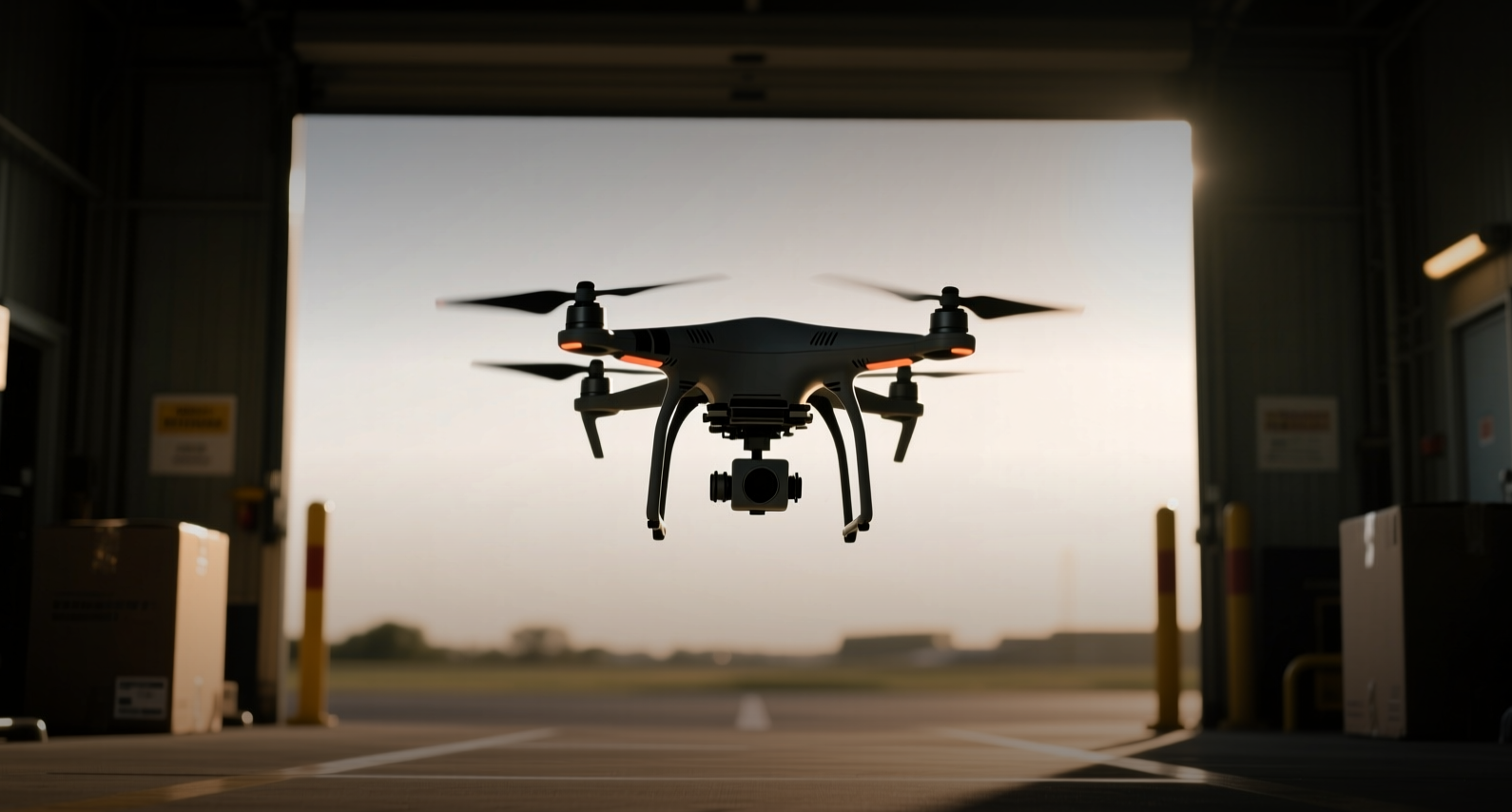
Uber is betting its next leg of Eats growth on Zipline's drones, aiming for one million autonomous deliveries a day by the end of 2029.
Uber Technologies is investing in drone delivery company Zipline and aims to reach one million deliveries a day on Uber Eats by the end of 2029, with the first flights starting this year.
"Truly quick commerce is proving to be an even bigger market than the original food market was," Dara Khosrowshahi, chief executive officer of Uber, told the Wall Street Journal. "We think this can be an enormous tailwind for the next leg of growth for Eats."
Zipline drones will fulfill orders in five to ten minutes, and the first deployments will begin in the startup's existing markets before expanding to "dozens of U.S. cities," the companies said Monday. They did not disclose the investment amount. Zipline, based in San Francisco, closed an extended Series H funding round of $800 million in March, pushing its valuation to $7.6 billion. The startup operates on four continents, makes a delivery every 20 seconds, serves more than 5,000 hospitals and has flown more than 135 million autonomous miles.
The tie-up extends Uber's strategy of bringing autonomous-vehicle and drone partners onto its platform rather than building its own, a model it has used for robotaxis. Uber has committed more than $10 billion to dozens of autonomous vehicle providers. The deal follows a September 2025 partnership with Israeli startup Flytrex and comes as Uber's relationship with Waymo is expected to end when their contracts expire in 2028.
Uber's approach of aggregating third-party technology has helped it stay at the forefront of autonomous delivery despite selling off its own programs, including the aerial ride-sharing service Uber Elevate and Uber Autonomous Technologies Group. The ride-hail giant had tested drone delivery when it still operated Elevate, and the new partnership marks its return to the format after a decade away.
The strategy is not without friction. Uber recently clashed with Waymo, one of its highest-profile partners, and the companies are expected to part ways when their contracts expire in 2028. The two are also on opposite sides of a growing fight over autonomous vehicle regulation, with Uber lobbying for rules that would let it operate robotaxis without Waymo's approach.
Zipline co-founder Keller Cliffton framed the partnership as a step toward making delivery as fast as sending a text. "Every great transportation revolution has changed where people live, how businesses operate, and how economies grow," he said in a statement.
For Uber, the economics hinge on scale. The company is building what it calls a hybrid delivery network that matches each order with couriers, sidewalk robots or drones. Zipline's quiet, precise delivery is aimed at the hundreds of thousands of small businesses on Uber Eats, where faster fulfillment could lift order frequency and margins.
The one-million-a-day target by 2029 would mark a step change from Zipline's current pace of roughly 4,300 deliveries a day across four continents. Reaching it will depend on regulatory approvals in dozens of U.S. cities and on whether drone economics hold up at volume. Zipline has made more than 2.7 million deliveries of more than 20 million items to date, and the company says its flights have avoided the equivalent of more than 600 crashes and 100 injuries that driving the same distance would produce.
The push into drone delivery also pressures rivals. DoorDash and Amazon have each tested aerial fulfillment, and Uber's move to fold Zipline into its network gives it a faster option in the quick-commerce race, where delivery times of under 15 minutes are becoming the benchmark. Khosrowshahi's framing of quick commerce as a market larger than traditional food delivery suggests Uber sees drones as a way to expand beyond restaurant orders into groceries and daily essentials.
This article is for informational purposes only and does not constitute investment advice.
