
Trump's zero-tolerance Hormuz mine warning escalates a six-month conflict that has cut oil traffic by more than 90 percent.
Trump's zero-tolerance Hormuz mine warning escalates a six-month conflict that has cut oil traffic by more than 90 percent.
Trump's zero-tolerance Hormuz mine warning escalates a six-month conflict that has cut oil traffic by more than 90 percent.
President Trump declared "zero tolerance" for Iranian mine-laying in the Strait of Hormuz on Aug. 25, warning any vessel placing new mines would be destroyed, as WTI crude traded near $88 a barrel.
Treasury Secretary Scott Bessent dismissed the crude spike as "noise" he couldn't explain, telling reporters Thursday that "we've got a spike in oil prices today that I don't really understand," even as the administration's own sanctions campaign against Iran escalated.
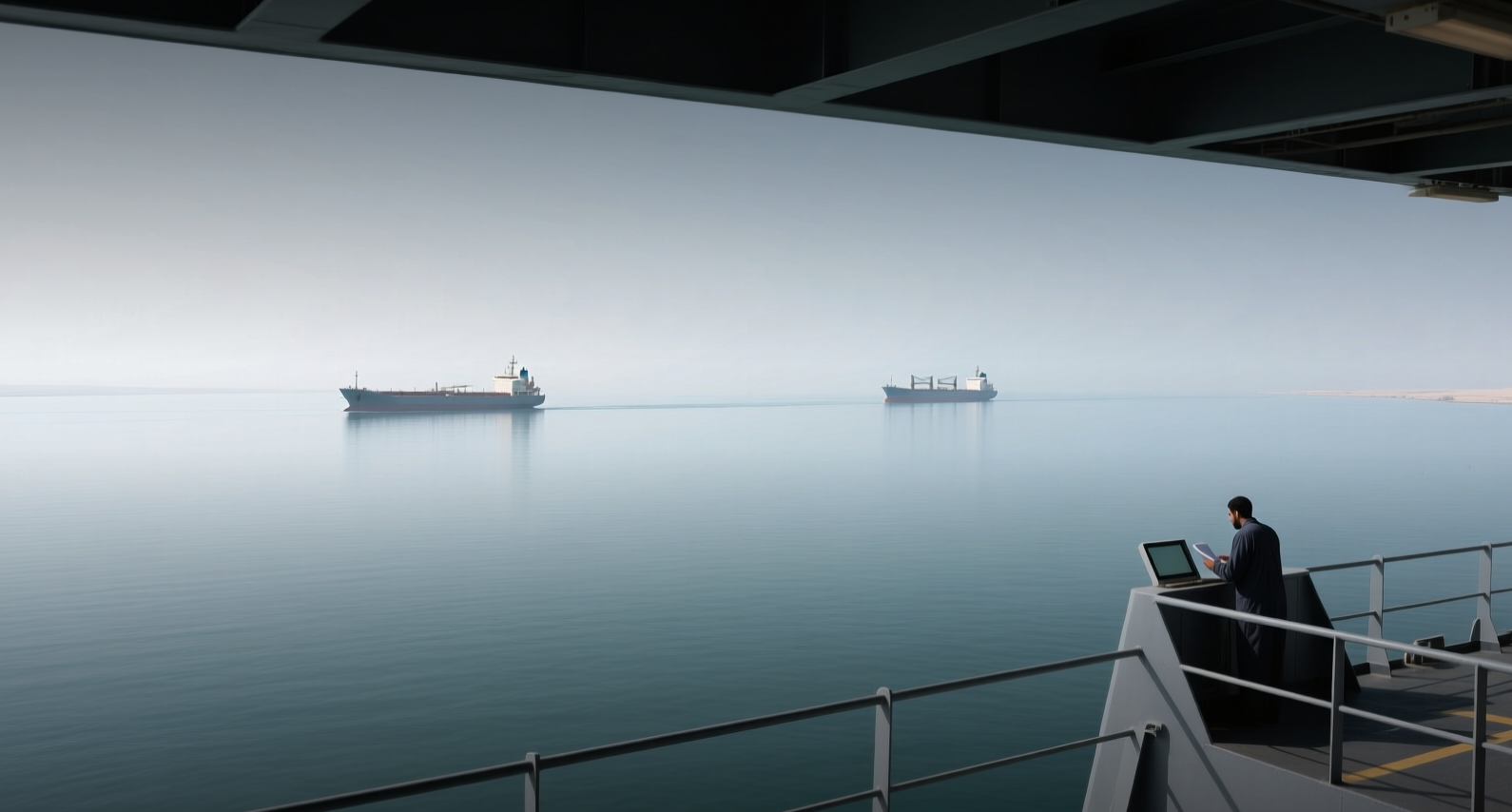
WTI settled at $86.48 on Aug. 18 before jumping to $88.15 by Aug. 20, according to CNBC data. The U.S. national average gas price reached $4.09 a gallon on Aug. 19. Vessel traffic through the Strait of Hormuz — which carries roughly one-fifth of global oil supply — has collapsed from about 130 ships daily before the war to just eight to 15, according to reporting from early August.
The conflict, which began Feb. 28 when the U.S. and Israel launched strikes on Iran, approaches its six-month mark on Aug. 28 with no resolution in sight. Iran's foreign minister, Abbas Araghchi, has said Tehran will not reopen the strait without sanctions relief and war reparations, while the U.S. naval blockade has already cost Iran nearly $5 billion in oil revenue, with potential annual losses estimated as high as $18 billion.
The mine declaration follows Trump's Aug. 19 announcement of "Operation Economic Outcast" — described as an "Economic D-Day" targeting Iranian financial institutions, businesses, airports, oil-smuggling networks, and front companies. Trump warned that any country offering Iran "any type of lifeline" would face "TREMENDOUS Economic Consequences."
Iranian Foreign Minister Abbas Araghchi dismissed the campaign as "economic terrorism" and "a diversion from America's own crisis: unprecedented debt & surging interest costs." Iranian President Masoud Pezeshkian said U.S. "bullying" would not help, as he hosted Pakistan's army chief in Tehran.
WTI's path since the war's onset has been volatile. The benchmark traded at $66.96 on Feb. 27, the day before the conflict began, peaked at $114.58 on April 7, fell back to $69.60 on July 6, and settled at $86.48 on Aug. 18. Brent traded near $84 on Aug. 10, up roughly 16 percent since the war began.
The last time the Strait of Hormuz faced a sustained closure threat was during the 2019 tanker attacks, when WTI spiked about 15 percent within two weeks before retreating as supply fears eased. This time, the closure has persisted for months, with Iran demanding sanctions relief and war reparations before agreeing to reopen the waterway.
Bessent previewed the escalation on Aug. 13, describing the strategy as "a combination of economic isolation like the world has never seen before." The Treasury chief's dismissal of the oil price move drew immediate criticism, with Rep. Ted Lieu tying the spike to the conflict, saying the cause "starts with W and ends in R."
The UN maritime agency has called for action against piracy in the Gulf of Aden, while Saudi Arabia's national shipping company reported a tanker involved in a "security incident." China and Jordan have said any deal should address the "root causes" of the U.S.-Iran war.
With the war approaching six months and Iran showing no willingness to reopen the strait without major concessions, the risk premium embedded in crude prices is unlikely to dissipate. If the mine-laying threat escalates further, WTI could retest its April peak of $114.58. Conversely, any diplomatic breakthrough would likely trigger a sharp unwind of the current risk premium, potentially pushing prices back toward pre-war levels near $67.
This article is for informational purposes only and does not constitute investment advice.
