
Washington is treating drones the way it once treated steel — a national security problem to be solved with tariffs and onshoring.
Washington is treating drones the way it once treated steel — a national security problem to be solved with tariffs and onshoring.
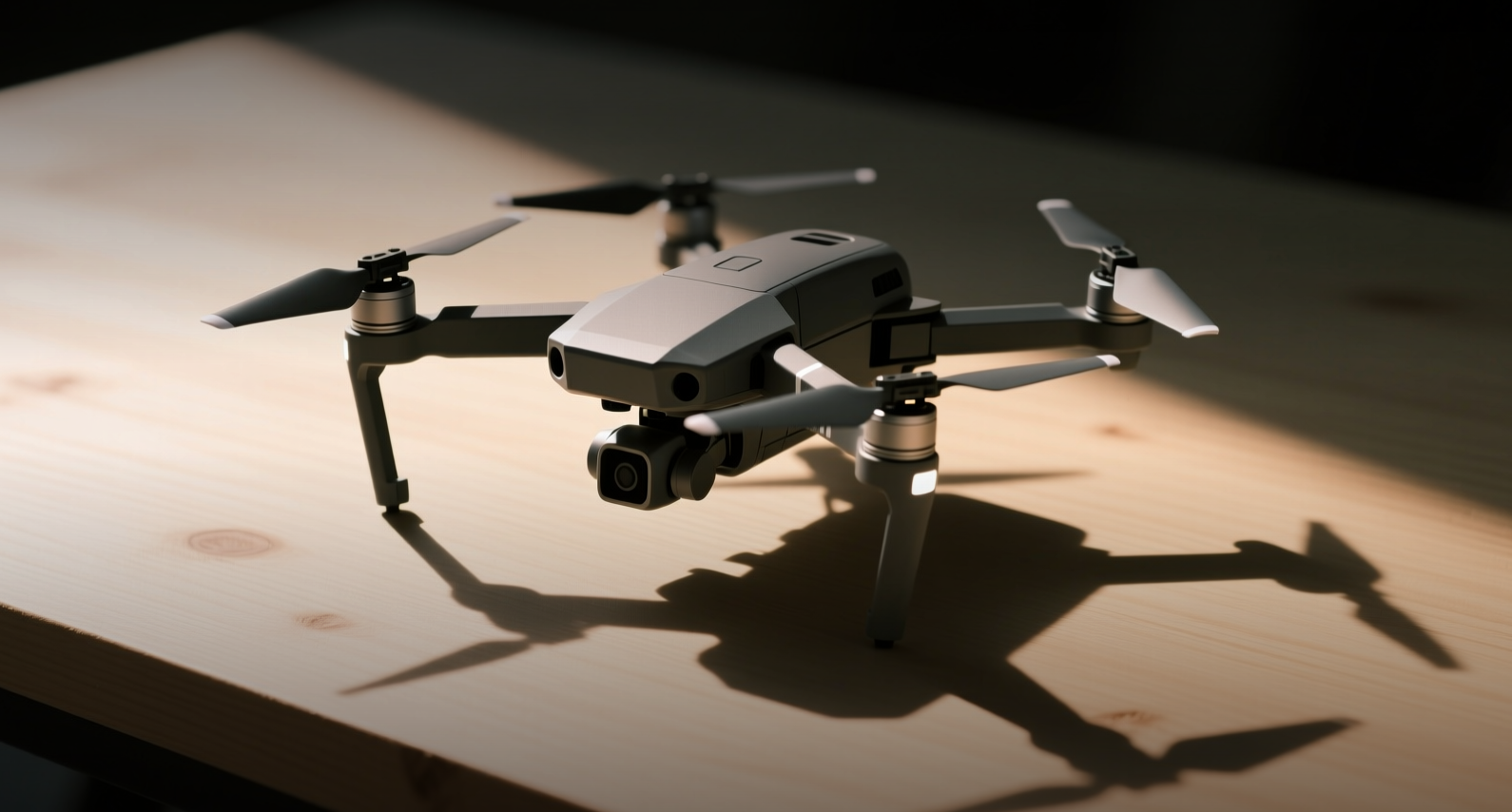
Washington is treating drones the way it once treated steel — a national security problem to be solved with tariffs and onshoring.
President Donald Trump imposed tariffs of up to 100 percent on imported drones Thursday, a tiered structure that targets China's dominance in military-grade unmanned aircraft while carving out lower rates for allied suppliers.
The White House said the program will protect the security of the U.S. and its defense and defense-adjacent industrial base, following Commerce Secretary Howard Lutnick's findings of significant foreign penetration in the drone sector.
A 100 percent ad valorem duty applies to drones weighing more than 25 kilograms at take-off and those fitted with sensitive capabilities such as thermal imaging and docking stations, along with critical components. Smaller drones face a 25 percent levy. Drones from the European Union, Japan, Liechtenstein, South Korea, Switzerland and Taiwan carry a 15 percent rate, while UK-made units face 10 percent, conditional on hardware, software and technology originating within those countries and the U.S.
The duties take effect Sept. 3 for militarily sensitive products and phase in after 180 days for less sensitive components, while the proclamation authorizes the Commerce secretary to establish an onshoring program supporting companies that invest in new U.S. drone manufacturing.
The structure channels the heaviest burden toward non-allied suppliers, chiefly China, whose DJI controls more than two-thirds of the global drone market, according to industry studies. The move follows a tit-for-tat escalation: last week Beijing restricted drone exports to the U.S. and blacklisted six American companies in response to Washington's trade sanctions linked to forced labor and national security concerns.
The drone clash mirrors earlier disputes over semiconductors and rare earths, where China holds a commanding market position. After the previous rounds of U.S. tariffs on Chinese technology this year, bilateral trade in affected categories contracted sharply, a pattern likely to repeat as the drone duties phase in over the coming months.
The proclamation also authorizes the Commerce secretary to establish an onshoring program supporting companies that invest in new U.S. drone and component manufacturing, consistent with the administration's broader push to strengthen national defense industries. The Wall Street Journal reported in May that the administration was pursuing funding deals with a group of drone companies to boost domestic production and lower the cost of an increasingly vital category of weapon.
The economic stakes are substantial. Drones have become a central category of weapon in modern conflict, and the U.S. military's reliance on foreign suppliers has drawn scrutiny from lawmakers on both sides. The administration's framing echoes its earlier treatment of semiconductors, where tariffs and export controls preceded a wave of domestic fab investment under the CHIPS Act. Whether the drone duties produce a similar manufacturing build-out depends on the scale of the onshoring program, whose funding details have not yet been disclosed.
The tariffs, combined with a parallel shipbuilding memorandum, read as part of a broader effort to rebuild U.S. defense-adjacent manufacturing capacity. Defense contractors and drone makers with U.S. manufacturing exposure stand to benefit from reduced foreign competition, while companies reliant on imported components face higher input costs. Analysts expect the structure to accelerate a shift in global drone supply chains, with allied manufacturers in Europe, Japan and South Korea positioned to capture orders that previously flowed to Chinese suppliers. For U.S. buyers, the 100 percent duty on sensitive drones could raise procurement costs in the near term before domestic capacity comes online.
The Commerce department is expected to publish the full list of affected drone categories and any exemptions ahead of the Sept. 3 implementation date.
This article is for informational purposes only and does not constitute investment advice.
