
Trump's 100% tariff on national-security-sensitive drones targets the foreign supply chain that dominates U.S. unmanned aircraft.
Trump's 100% tariff on national-security-sensitive drones targets the foreign supply chain that dominates U.S. unmanned aircraft.
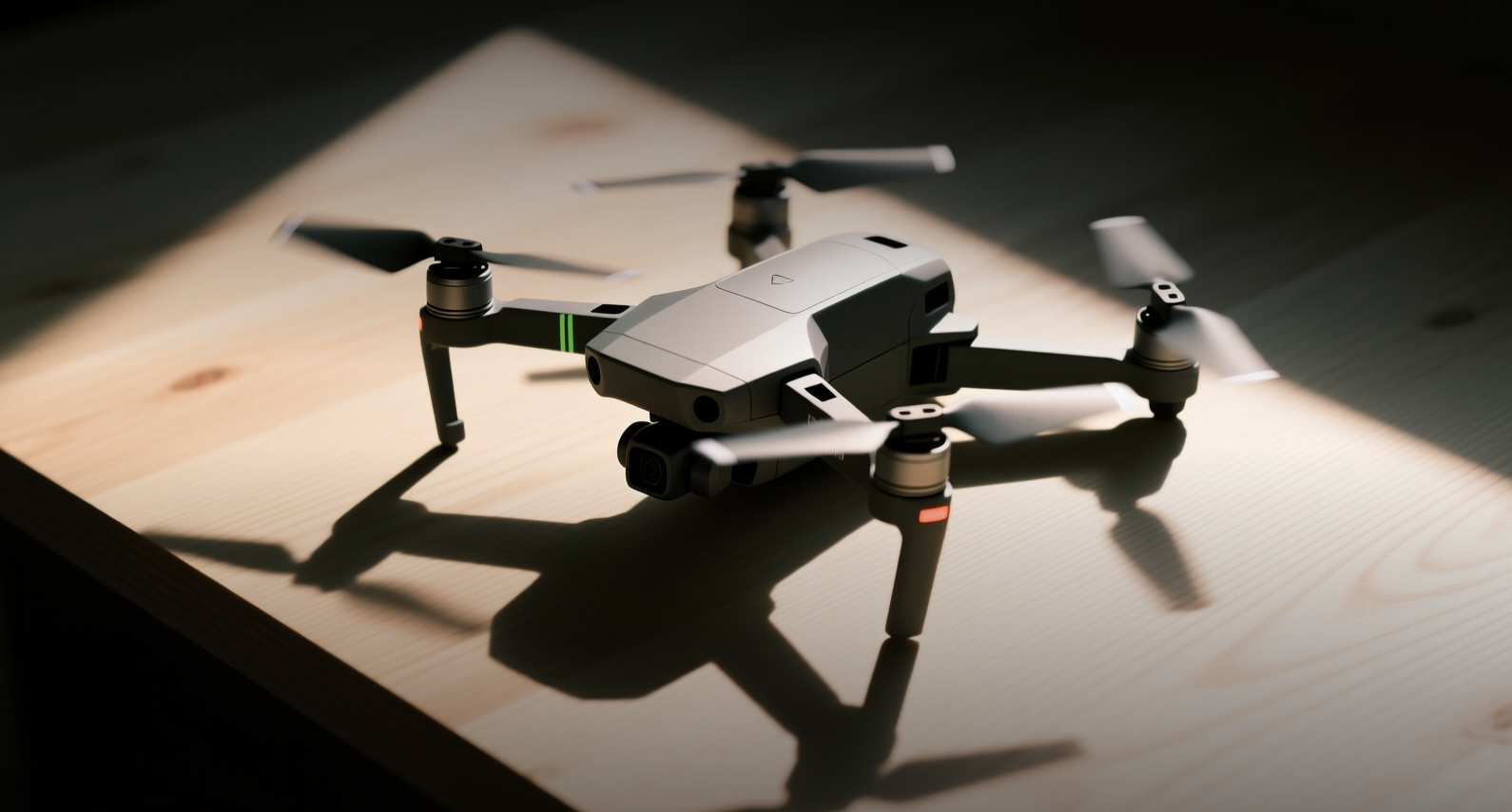
President Donald Trump signed a proclamation Thursday imposing tariffs of 10% to 100% on imported drones and components, citing national security, as the administration moves to cut U.S. reliance on foreign unmanned aircraft systems.
"The Secretary found that import penetration from foreign producers of UAS is substantial and that the United States is too reliant on foreign sources of UAS and UAS components," Trump said in the proclamation, citing Commerce Secretary Howard Lutnick's investigation.
The top 100% rate applies to drones with a maximum takeoff weight above 25 kilograms, those with thermal imaging capabilities, their docking stations and certain critical components. A 25% tariff hits smaller drones lacking those capabilities and other components. Drones and components from the European Union, Japan, Liechtenstein, South Korea, Switzerland and Taiwan face 15%, while UK drones draw 10%, provided substantially all hardware, software and technology originates within those countries and the U.S.
The levies take effect 21 days after signing, with non-sensitive components facing 180 days. The move, under Section 232 authority, extends Trump's tariff campaign beyond steel, aluminum, copper and autos into a sector where Chinese maker DJI dominates global commercial drone supply.
Lutnick found that drone and drone components from certain foreign entities "pose security and safety risks" and that the domestic U.S. industry does not produce enough to meet security needs, Trump said. The proclamation authorizes the commerce secretary to establish an onshoring program for companies making new investments in manufacturing drones and components.
The tariff structure targets the supply chain that has made China the dominant producer of commercial drones. DJI, the Shenzhen-based maker that controls the majority of the global consumer and commercial drone market, relies on components and assembly that would face the steepest 100% rate. U.S. rivals including Skydio and AeroVironment, which supply defense and public-safety drones, stand to benefit from reduced import competition as the administration pushes domestic production.
The drone sector joins a broader industrial-base campaign. In June 2025, Trump signed an executive order to "unleash American drone dominance," prioritizing U.S.-manufactured drones and promoting their export. The new tariffs build on Section 232 actions that have already imposed duties on steel, aluminum, copper, trucks, automobiles, timber, lumber and pharmaceuticals.
For U.S. buyers, the tariffs raise the cost of imported drones and components. A 100% duty on a $2,000 commercial drone would add roughly $2,000 to its price, while the 25% tier adds about $500 to a $2,000 smaller model. The 15% and 10% tiers for allied suppliers add smaller increments, though the requirement that hardware, software and technology originate within those countries limits how much supply can shift.
The administration has not disclosed the dollar value of affected drone trade. The effective dates create a 21-day window before the main tariffs apply, and a 180-day window for non-sensitive components and for products the Department of War approves for exemption from the Federal Communications Commission's Covered List.
The onshoring program shows the administration's intent to build domestic capacity rather than simply tax imports. Whether U.S. manufacturers can scale fast enough to replace foreign supply remains the open question, with defense demand for drones rising as the technology becomes central to modern conflict.
This article is for informational purposes only and does not constitute investment advice.
