
President Trump backed a Russia sanctions package that Congress may expand to target Iran and the Strait of Hormuz.
President Trump backed a Russia sanctions package that Congress may expand to target Iran and the Strait of Hormuz.
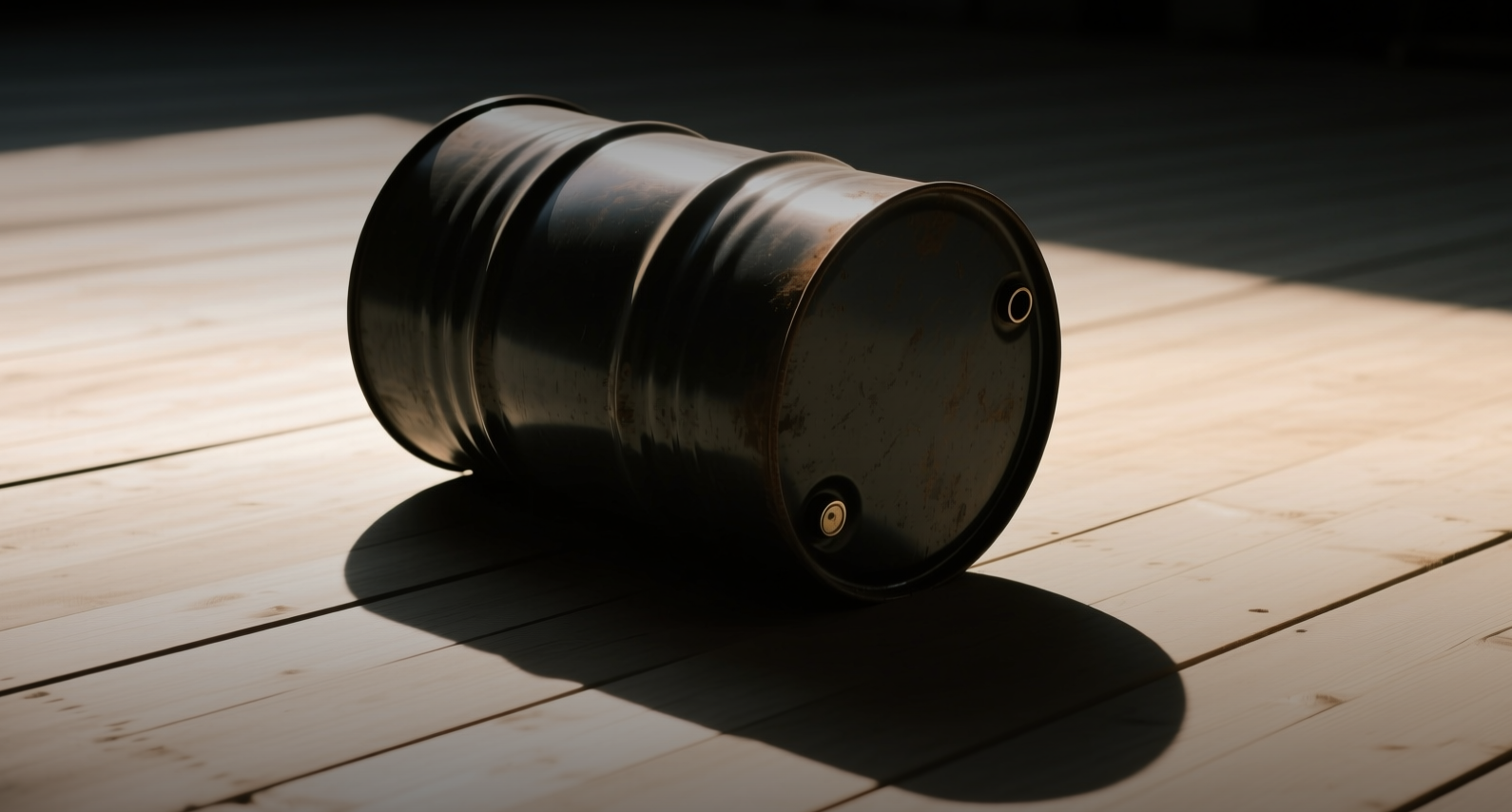
President Trump threw his support behind a Russia sanctions package led by Senator Lindsey Graham, saying Congress may broaden the legislation to include Iran and the Strait of Hormuz — a chokepoint handling 21% of global oil trade.
"The Strait of Hormuz is a vital artery for global energy supplies, and any disruption there would have immediate consequences for oil prices and shipping costs," said Helima Croft, head of global commodity strategy at RBC Capital Markets.
The comments follow a weekend of tit-for-tat attacks that saw Trump announce a blockade of Iranian vessels through the waterway and a 20% toll on eligible cargo from other nations. Brent crude rose $3.20 to $87.45 a barrel Monday, while gold gained 1.2% to $2,418 an ounce as investors sought havens.
The potential merger of two geopolitical flashpoints — Russia sanctions and Iran-Hormuz tensions — threatens to compound supply risks in an already tight oil market. If Congress includes both Iran and the Strait of Hormuz in the Russia sanctions bill, it would mark a significant escalation of U.S. economic pressure across two of the world's most consequential energy-producing regions.
The Russia sanctions package, which Trump said he backs, was already moving toward a vote. Adding Iran and the Strait of Hormuz provisions would broaden its scope dramatically, linking the Ukraine conflict to Persian Gulf tensions in a single legislative vehicle.
The Strait of Hormuz, a 21-mile-wide channel between Oman and Iran, handles about a fifth of the world's oil supply. The last time Iran directly threatened the waterway in 2019, following the U.S. withdrawal from the nuclear deal, Brent crude spiked more than 15% over two months while shipping insurance premiums for Gulf transit surged fivefold.
Oil Markets Face Dual Supply Threat
Brent crude's 3.8% jump Monday reflected growing concern that the U.S. is preparing a two-front economic campaign. The 20% toll on Hormuz transit — effectively a tax on global oil flows — would raise costs for refiners from Japan to the Netherlands. Iran exported roughly 1.5 million barrels a day in 2025, much of it through the Strait, according to tanker-tracking data.
The Russia sanctions component adds another layer. Russia remains the world's third-largest oil producer at about 9 million barrels a day. Combining restrictions on both countries' energy exports could remove as much as 3 million barrels a day from global supply, analysts at Goldman Sachs estimated.
Market Implications and Forward Outlook
The VIX, Wall Street's fear gauge, rose 2.6 points to 18.4, while the Bloomberg Dollar Index gained 0.3% as traders priced in a risk-off shift. Defense stocks rallied, with the S&P 500 aerospace and defense sub-index adding 1.8%.
The legislative timeline remains uncertain. Congress is expected to take up the Russia sanctions bill in the coming weeks, and any Iran-related amendments would face debate. If passed in its expanded form, the bill would give the president broad authority to enforce the Hormuz blockade and toll — powers Trump has already said he intends to use.
This article is for informational purposes only and does not constitute investment advice.
