
The new custodial IRAs for children carry a $1,000 Treasury gift for newborns, but advisers say most families should think twice before adding their own money.
The new custodial IRAs for children carry a $1,000 Treasury gift for newborns, but advisers say most families should think twice before adding their own money.
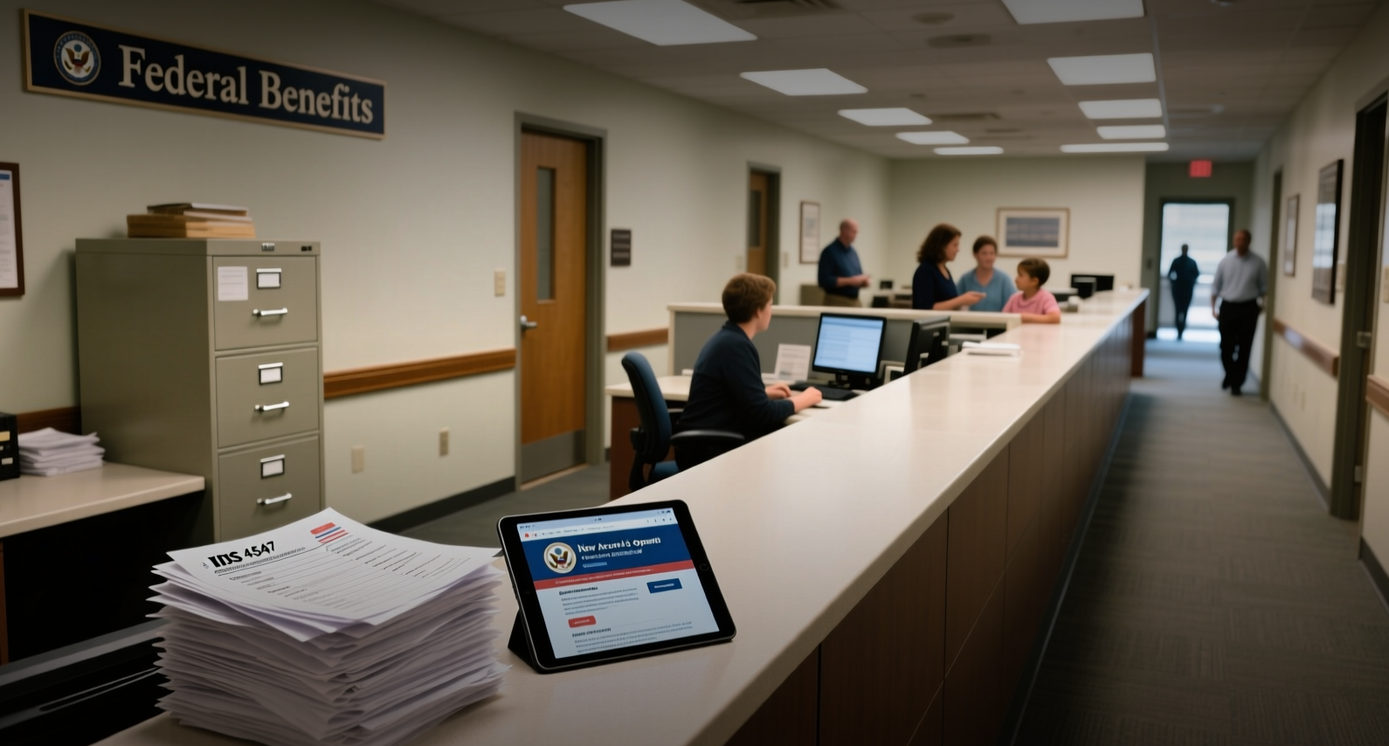
Trump Accounts, the new custodial retirement accounts for children, went live July 4 with a $1,000 Treasury seed for newborns, yet tax rules make the accounts a poor fit for most families adding their own money. The accounts are custodial individual retirement accounts with special rules until the year the child turns 18, and the seed money grows tax-deferred with income taxes due on withdrawal.
"You can't cherry pick to take out just the after-tax contributions like you can do with a Roth IRA," said Ian Berger, an IRA analyst at Ed Slott & Co. in Rockville Centre, N.Y.
The Treasury Department said more than 500,000 children received the $1,000 when the program opened. Parents, relatives and friends can contribute up to $5,000 a year in after-tax dollars, while employers can add up to $2,500, with both limits rising annually with inflation. At launch, all contributions are invested in the State Street SPDR Portfolio S&P 500 ETF, a low-cost fund tracking the index.
The accounts offer decades of tax-deferred growth, but withdrawals count as ordinary income and face a 10 percent early-distribution penalty before age 59½ unless an exception applies. For most families, 529 college plans and Roth IRAs deliver better tax treatment on their own contributions, advisers said.
Who qualifies and how to open an account
Any child with a Social Security number who is under age 18 at the end of the year the account is established is eligible. Under a pilot program, the Treasury is seeding accounts with $1,000 for children born between Jan. 1, 2025 and Dec. 31, 2028 who are U.S. citizens. Children born before 2025 can hold an account but do not receive the seed money.
Parents and guardians open the accounts by filling out the new IRS Form 4547, which can be attached to a tax return or submitted through an IRS online account, then activate the account on the Trump Account app or at Trumpaccount.com. Bank of New York Mellon and Robinhood Markets are administering the initial accounts, and Vanguard has said it supports rollovers to other firms.
Where the tax complications bite
The tax treatment depends on who put the money in, the age at withdrawal and the purpose. The beneficiary can empty the account for any use on Jan. 1 of the year he or she turns 18, with withdrawals taxed as ordinary income. Using the money for higher education or up to $10,000 for a first-time home purchase avoids the 10 percent penalty, while a car purchase before 59½ triggers it.
The $1,000 seed money counts as earnings, so any distribution that includes after-tax contributions is partially taxable. A $10,000 after-tax contribution plus $1,000 seed and $4,000 of investment earnings means one-third of any withdrawal is taxable, regardless of use or age. Contributions from employers and charities receive the same treatment as the seed money.
The IRS recently loosened a gift-tax return filing requirement, so no return is needed if a taxpayer's total taxable gifts to an individual stay within the $19,000 annual exclusion.
For parents saving for college, 529 plans offer more substantial tax benefits because earnings are not taxable. Once children start earning income, a custodial Roth IRA allows contributions to come out tax-free anytime. Even a taxable custodial brokerage account can beat a Trump Account if invested in a low-dividend fund, because earnings would be taxed as capital gains rather than ordinary income, said Gregory Leiserson, a senior fellow at the Tax Law Center at NYU Law.
Contributing could make sense for wealthy families who have maxed out 529 plans and want an early start on a child's retirement nest egg, Berger said, because the accounts accept contributions even when the child is not working and offer potentially decades of tax-deferred growth. Converting the account to a Roth IRA at age 18 could provide decades of tax-free growth, assuming the 18-year-old does not cash out.
Program details, contribution limits and tax rules are current as of the July 2025 launch and may change; readers should verify against the latest Treasury and IRS announcements.
This article is for informational purposes only and does not constitute investment advice.
