
Key Takeaways: The US Court of International Trade upheld Trump's elimination of the de minimis exemption, a ruling that affects 1.36 billion low-value shipments worth $64.6 billion.
Key Takeaways: The US Court of International Trade upheld Trump's elimination of the de minimis exemption, a ruling that affects 1.36 billion low-value shipments worth $64.6 billion.
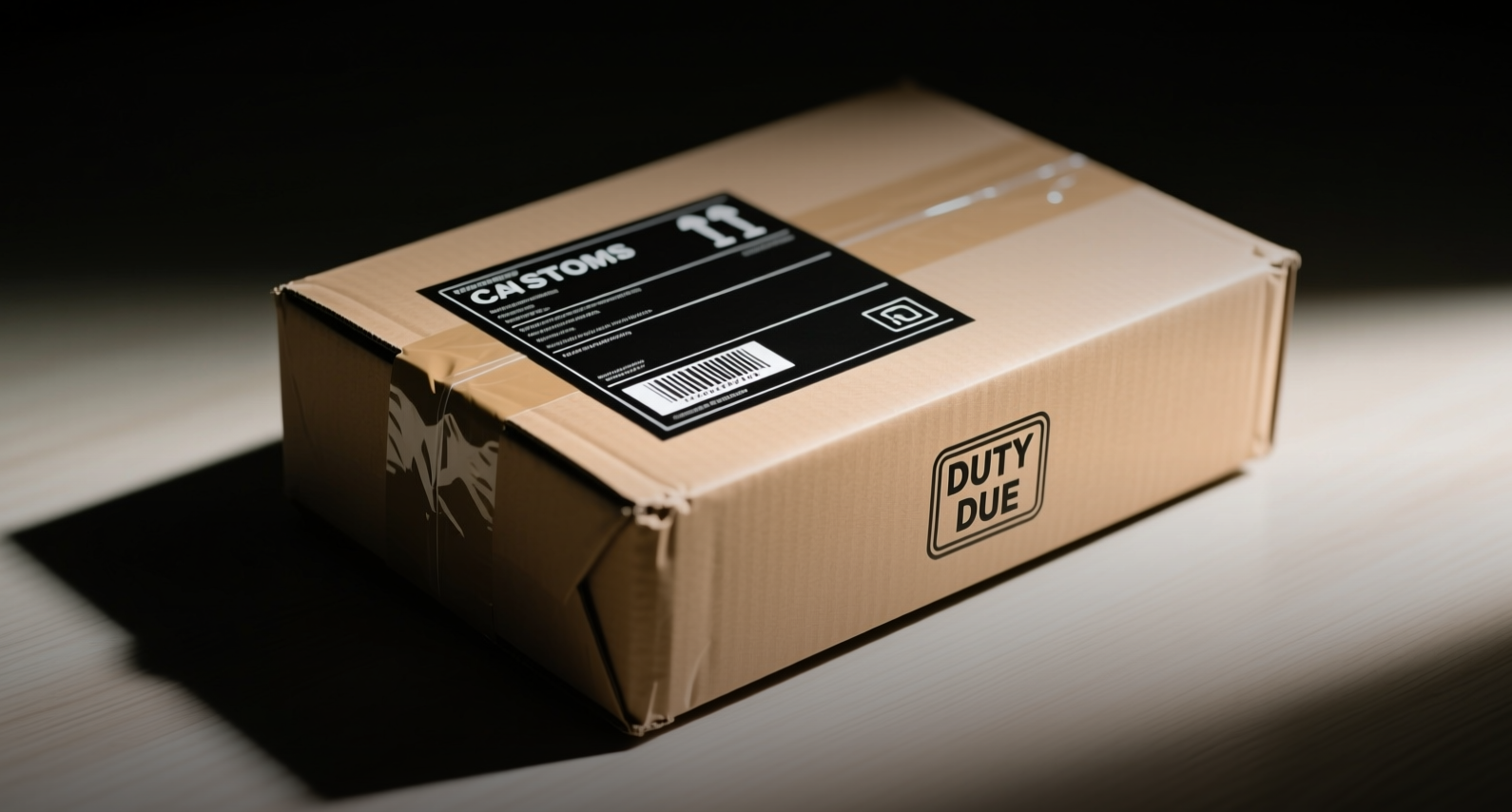
The US Court of International Trade upheld Trump's elimination of the de minimis exemption, a ruling that affects 1.36 billion low-value shipments worth $64.6 billion.
The US Court of International Trade upheld President Donald Trump's elimination of the de minimis exemption, which had allowed foreign shipments worth up to $800 to enter the country duty-free — a provision that covered 1.36 billion packages valued at $64.6 billion in fiscal 2024.
Trump celebrated the ruling on Truth Social, calling the exemption "the most DESPICABLE loopholes" in US trade policy and claiming it cost America an estimated $10.8 billion in foregone tariff revenue in 2024 alone.
About 73 percent of de minimis packages entering the US in 2024 originated from China. The provision was especially important for foreign online retailers such as Shein and Temu, which built their business models around duty-free, direct-to-consumer shipments. Detroit Axle, a Michigan-based auto-parts distributor, had sued the administration more than three months after Trump signed the July 2025 executive order suspending the exemption.
The end of the provision means qualifying imports now face duties and additional customs-entry requirements, likely raising costs for consumers and businesses that rely on international e-commerce. American retailers and industry groups had opposed the exemption, arguing it gave foreign e-commerce companies an unfair advantage over domestic sellers.
The ruling marks a significant victory for the administration's broader tariff agenda. Trump's executive order in July 2025 suspended duty-free de minimis treatment for all countries, arguing the provision had enabled foreign drug traffickers to ship fentanyl into the US and allowed counterfeiters to bypass customs scrutiny. The court's decision confirms the president's authority to rescind what the administration characterized as a privilege rather than a right.
The de minimis provision had been a cornerstone of US trade policy for decades, originally designed to reduce administrative costs on low-value shipments. Over time, the rise of cross-border e-commerce transformed it into a major channel for duty-free imports, with the declared value of de minimis shipments reaching $64.6 billion in fiscal 2024.
For Shein and Temu, the ruling removes a core competitive advantage. These platforms have relied on the de minimis provision to ship millions of low-cost items directly to American consumers without paying import duties. With the exemption eliminated, each qualifying shipment now faces customs duties and more complex entry requirements.
The impact extends beyond the two fast-fashion platforms. Third-party sellers on Amazon that source products from overseas suppliers also used the de minimis channel to keep prices competitive. The change could push up prices for a wide range of consumer goods, from clothing to electronics accessories, as importers pass on the added tariff and compliance costs.
The ruling also has implications for the broader US-China trade relationship. With 73 percent of de minimis packages originating from China, the elimination of the exemption effectively functions as a tariff on Chinese e-commerce exports. This aligns with the administration's broader efforts to reduce reliance on Chinese imports across multiple sectors.
American retailers and industry groups had lobbied for years to end the exemption, arguing it created an uneven playing field. Domestic manufacturers and distributors faced the full cost of customs compliance while foreign e-commerce platforms shipped goods duty-free. The court's ruling confirms that position, though the full economic impact remains to be seen.
US government data shows that in fiscal 2024, de minimis shipments accounted for $64.6 billion in declared value — a figure that will now be subject to tariff assessment. The shift could benefit domestic manufacturers and retailers who compete directly with imported low-cost goods, while potentially reducing the volume of small-value imports from China.
The ruling is unlikely to be the final word. Detroit Axle and other plaintiffs could appeal to the Federal Circuit, though the court's decision provides strong legal grounding for the administration's position. For consumers, the practical effect will be higher prices on imported goods that previously qualified for duty-free entry. For domestic manufacturers, the change removes a structural disadvantage that had persisted for decades.
This article is for informational purposes only and does not constitute investment advice.
