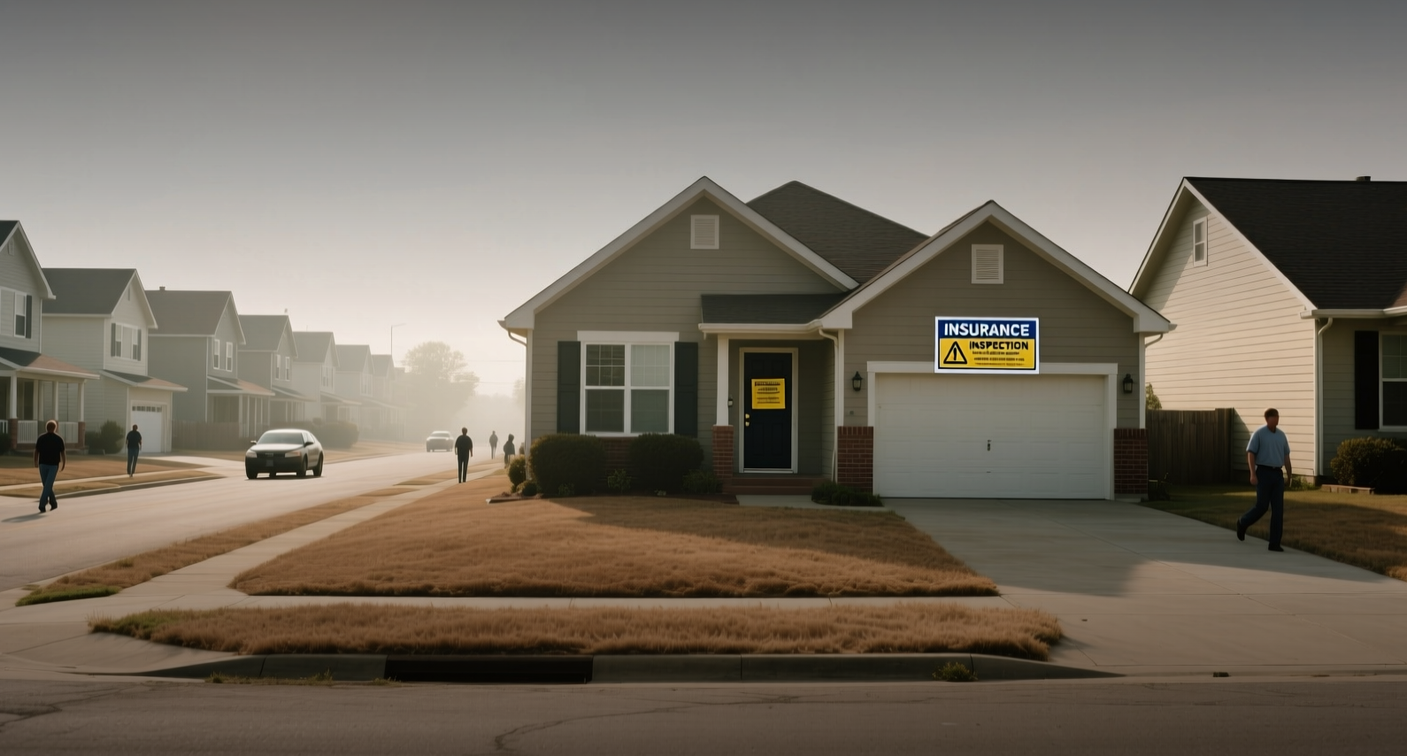
Surplus homeowners insurance premiums nearly tripled to $4.1 billion in 2025 from $1.5 billion in 2021, per NAIC data analyzed by Weiss Ratings.
"They are the perfect loophole for an insurer who wants to evade regulation," Amy Bach, executive director of United Policyholders, said.
California surplus premiums grew tenfold since 2021 to nearly $1.3 billion, now 7 percent of state homeowners premiums versus 1 percent five years ago. Florida surplus lines grew 74 percent between 2020 and 2025 to $888 million. Surplus carriers paid out an average of 36 cents in claims per premium dollar over five years, versus 58 cents for admitted carriers, and just 15 cents in 2024.
The growth reflects traditional insurers retreating from weather-exposed states as extreme weather drives up claim payouts. California insurers paid out $23 billion in homeowners claims last year, according to industry data. The Treasury Department's Federal Insurance Office reported in 2025 that millions of Americans were finding it harder to obtain insurance and paying more for it.
Surplus lines, which date to the late 1800s and historically covered commercial or high-risk properties, are exempt from certain state rules, allowing carriers to change coverage and pricing faster than admitted insurers. They often include restrictive clauses, including arbitration provisions that prevent homeowners from selecting their own contractors or adjusters, and they do not participate in state guarantor funds that protect policyholders if an insurer becomes insolvent.
AIG has shifted its entire California homeowners business to surplus lines, with premiums growing 394 percent over six years from $24 million to $119 million, according to Weiss Ratings data. Its subsidiary Lexington Insurance Company is the seventh-largest surplus line carrier nationally. AIG said its surplus line business represents less than 1 percent of total California homeowners premiums.
10 companies account for slightly more than half of all surplus premiums, most owned by major insurers including Lloyd's of London and Berkshire Hathaway. Florida became the fifth state last year to scrap the requirement that agents demonstrate a "diligent effort" to place policyholders with admitted carriers before seeking surplus coverage. Stanford University research found that the number of California residents forced onto the state's backup Fair Plan has tripled since 2020.
Benjamin McKay, CEO of the Surplus Line Association of California, said the proper role for surplus plans is "as a safety valve, not becoming the default option." Isaac Park, a public adjuster in Los Angeles, said he has seen more clients shifted to surplus policies with "more limitations of coverage."
The shift means homeowners in high-risk states face higher deductibles, restrictive arbitration clauses, and lower claim payouts. Ben Taggart, an Oakland Hills resident on a surplus policy, said he is reluctant to file claims given his $10,000 deductible and fears of being dropped. Consumer advocates are working with lawmakers in Texas and North Carolina on stronger regulations, including barring insurers from removing basic coverage protections. Figures cited reflect NAIC data available at the time of writing; readers should verify against the latest official announcements.
This article is for informational reference only and does not constitute professional advice.