

Key Takeaways:
- Q4 profit of $1.17 billion, up from $195.2 million a year earlier
- Sales nearly doubled to about $11.55 billion, near the low end of guidance
- New orders topped $60 billion, with gross margin at 15% to 17%
Key Takeaways:
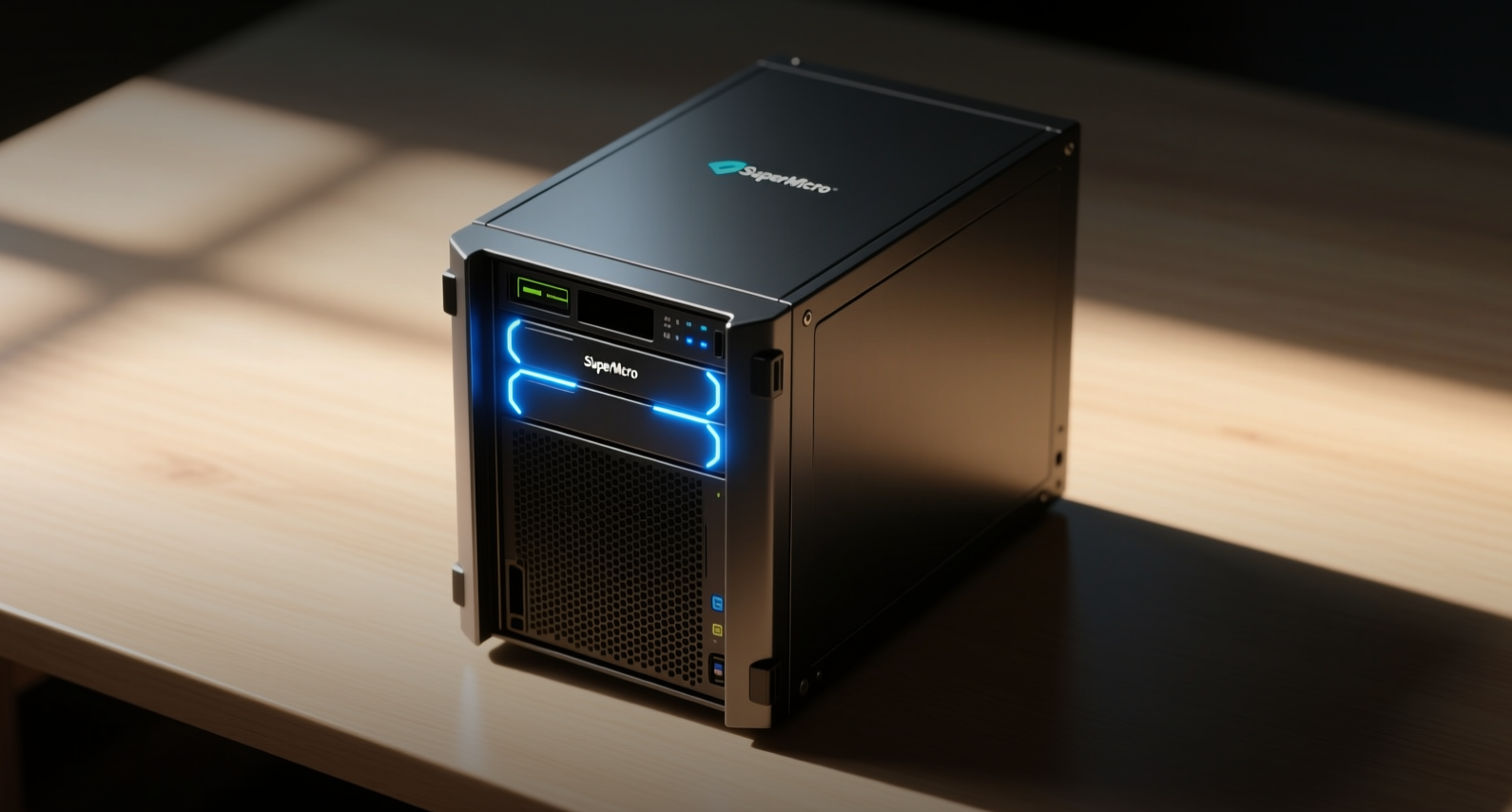
Super Micro Computer reported fiscal fourth-quarter profit of $1.17 billion, up from $195.2 million a year earlier, as sales nearly doubled on AI server demand.
"Significantly stronger gross margins highlight the pre-announcement," analysts at Wedbush wrote in a note, citing the company's preliminary margin range of 15% to 17%.
Revenue reached about $11.55 billion for the quarter ended June 30, near the low end of the company's $11 billion to $12.5 billion guidance and roughly double the $5.76 billion reported a year earlier. Earnings of $1.62 a share compared with 31 cents in the year-ago quarter, above the adjusted consensus of about 94 cents. New orders exceeded $60 billion during the quarter, pushing backlog to a record, while full-year sales reached about $39.49 billion, up from $21.97 billion in fiscal 2025. The roughly 101 percent year-over-year growth reflects the pace of AI infrastructure spending, with Nvidia partner Super Micro among the main beneficiaries of hyperscaler demand.
The gross margin roughly doubled the 8.2 percent to 8.4 percent the company had guided for, a swing management attributed to a favorable customer and product mix. The figure breaks from a year in which margins bounced between 6.3 percent and 9.9 percent, leaving investors to judge whether the quarter was a reset or a one-off. The company cautioned that some of the $60 billion in new orders may not be firm commitments and could face cancellation or delays.
Shares trade in the low $30s, down about 45 percent from their 52-week high, at roughly nine times expected forward earnings. Just one of five analysts tracked by Visible Alpha rates the stock a buy, with a mean target near $34. The company's board is conducting an independent review tied to alleged export-control issues, and Super Micro said the outcome could affect its forecasts. Growth has also been expensive to fund: the company used $6.6 billion of cash in operations in the fiscal third quarter and raised about $7 billion in June through common stock and mandatory-convertible preferred offerings.
The margin jump is the number investors will test against the fiscal 2027 outlook due on the earnings call at 5 p.m. ET. A guide built on mid-teens margins would mark a reset in the business's economics; a return to single digits would suggest the quarter was a one-off.
This article is for informational purposes only and does not constitute investment advice.
