
Key Takeaways:
- SpaceX Starship IFT-13 began re-entering Earth's atmosphere on July 25
- The 400-foot rocket system is central to NASA's Artemis lunar program
- Musk projects a Martian city within 5-7 years with cargo flights from 2028
Key Takeaways:
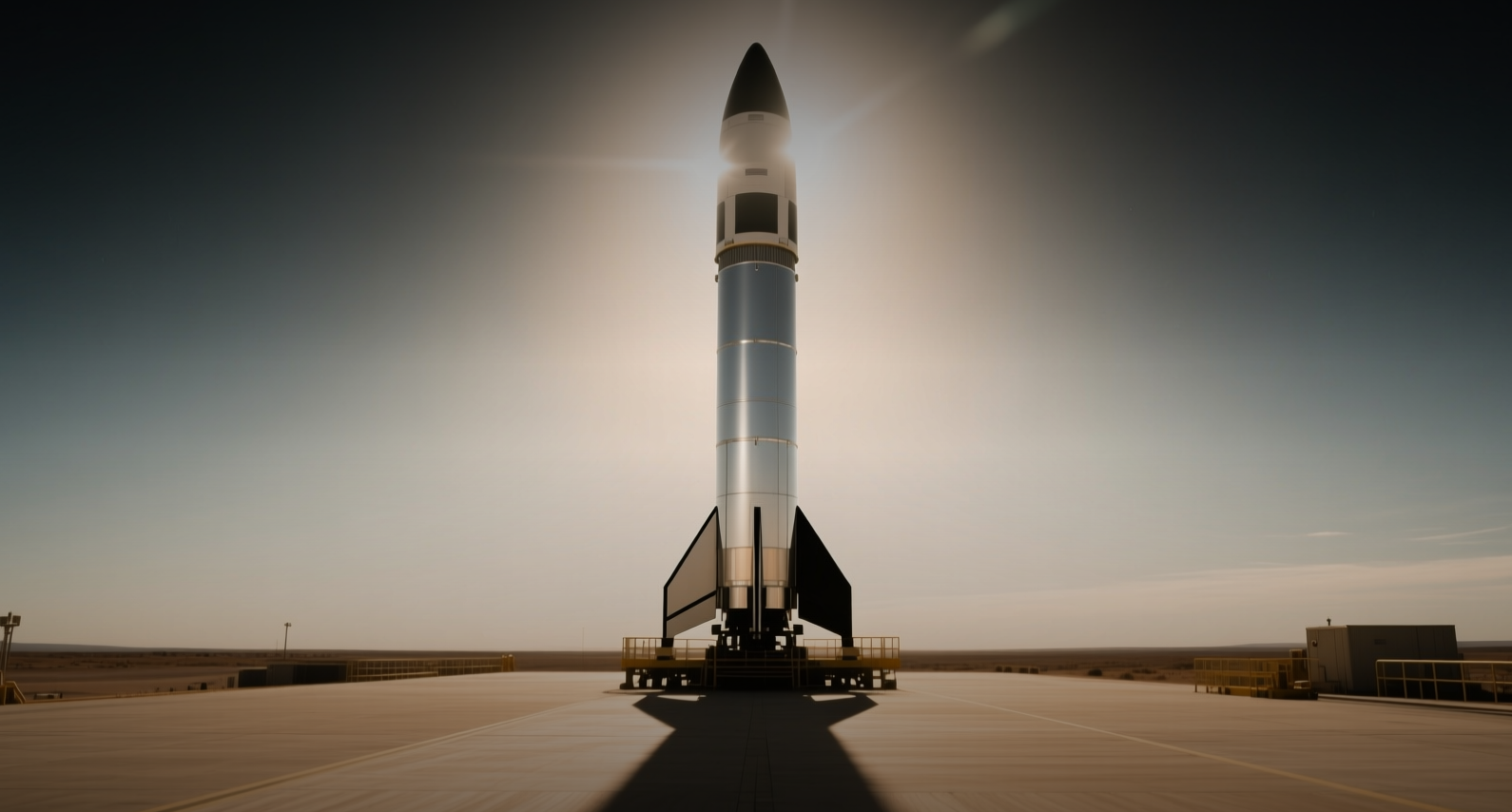
SpaceX's Starship, the world's largest rocket, is re-entering Earth's atmosphere on its 13th test flight, advancing the company's push toward a fully reusable deep-space vehicle.
SpaceX's Starship began its descent through Earth's atmosphere Thursday on the 13th test flight of the 400-foot rocket system, a milestone that brings Elon Musk's Mars ambitions closer to a working vehicle. The Super Heavy booster and Starship upper stage launched from the company's Boca Chica, Texas, facility before the upper stage executed its re-entry sequence.
"Each flight teaches us something new about re-entry dynamics," Musk said in a post on X. "The thermal protection system is performing as expected."
The flight, designated Integrated Flight Test 13, follows a May test that the Associated Press reported completed its mission despite engine trouble. SpaceX has iterated rapidly on Starship's heat shield tiles and flap control surfaces after earlier prototypes failed during re-entry. The company has not disclosed whether IFT-13 aimed for a controlled splashdown in the Pacific or an orbital insertion attempt.
Starship is central to NASA's Artemis lunar program, which plans to use a modified version as the Human Landing System for crewed moon missions. Musk said in July that he projects a Martian city within five to seven years, with cargo flights to the red planet listed no earlier than 2028. "I will not forget about Mars," Musk wrote on X on July 27, responding to claims he had abandoned the goal.
Starship's Competitive Position in the Launch Market
SpaceX's rapid test cadence — 13 flights in roughly two years — contrasts with Boeing's Starliner program, which returned uncrewed in September 2024 after helium leaks stranded its crew on the International Space Station. NASA has since assigned those astronauts to a SpaceX Crew-9 Dragon capsule for their return. The comparison underscores SpaceX's lead in reusable spacecraft development, a capability no other company has demonstrated at Starship's scale.
The Starship system generates 16.7 million pounds of thrust at liftoff, more than double the Saturn V rocket that carried Apollo astronauts to the moon. Its stainless steel heat shield is designed to withstand temperatures exceeding 2,600 degrees Fahrenheit during re-entry from orbital and interplanetary trajectories.
What a Successful Re-Entry Means for Investors
SpaceX remains a private company valued at roughly $350 billion in its most recent secondary share sales, according to reports. A successful IFT-13 re-entry would validate the vehicle's thermal protection and flight control systems, reducing technical risk for NASA's Artemis III mission, which aims to land astronauts near the moon's south pole as soon as 2027. The U.S. space agency has invested more than $4 billion in Starship development through the Human Landing System contract.
Boeing, SpaceX's primary competitor in NASA's Commercial Crew program, trades at 17 times forward earnings and has lost more than $1.8 billion on the Starliner program since 2016, according to company filings. SpaceX's progress on Starship widens the capability gap between the two contractors and strengthens Musk's argument that fully reusable vehicles are the path to lowering launch costs below $100 per kilogram to orbit.
This article is for informational purposes only and does not constitute investment advice.
