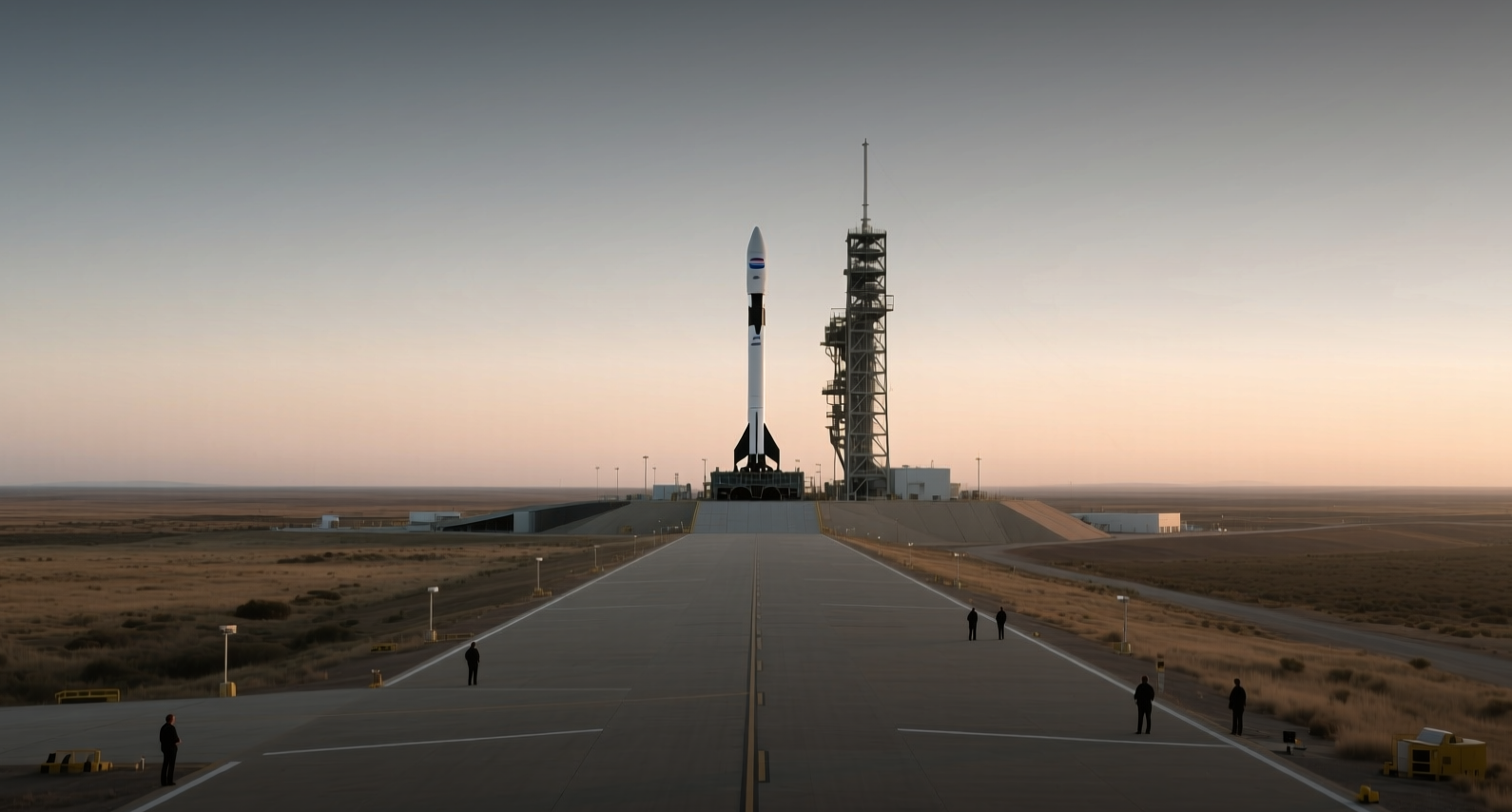
SpaceX has secured more than $8 billion in contracts tied to the Pentagon's Golden Dome missile-defense program, according to reporting from Aug. 20 that stitches together disclosed awards.
"We won more than $6 billion in U.S. contracts in Q2, supporting major Space Force programs," President Gwynne Shotwell told analysts on the company's first full quarter as a public firm.
SpaceX reported Q2 revenue of $7.814 billion, a 14.59 percent beat against consensus. Enterprise & Government revenue, which includes Starshield, generated $1.806 billion in the quarter, up 108 percent year over year. Total company backlog closed at $47.5 billion. The company did not disclose EPS or provide formal guidance.
The Pentagon's FY 2027 Golden Dome funding request sits at $17.9 billion for a single fiscal year, and SpaceX's position across satellite launch, manufacturing, and secure communications makes it the default supplier for the program's layered architecture.
Shares closed at $134 on Aug. 20, up 8.47 percent over the past month, though still down 16.74 percent from a June starting price of $160.95. The stock fell 4.05 percent on Aug. 20 alone.
The Bull Case Rests on Scale
Golden Dome needs proliferated low-Earth-orbit sensors, hardened communications, and cheap access to space. SpaceX reported 78 total launches and 1,041 tons of mass to orbit in the first half of the year, a cadence no competitor matches.
Starship extends the moat. Management said the vehicle is designed to quadruple payload capacity and reduce launch costs by 10 times compared with Falcon 9, with Shotwell expecting at least one flight per day within a year.
The qualifications matter. Shotwell noted that "some of which we will have to compete," and Pentagon budget documents show Lockheed Martin and SciTec already active in missile warning and tracking. Golden Dome funding also runs through congressional reconciliation and appropriation processes that can shift with any administration.
Risks include Starship's cash burn, with Space segment adjusted EBITDA at a $205 million loss, AI capex of $15.83 billion in a single quarter, and the pending $60 billion Cursor acquisition raising integration questions.
The next event to watch is the Cursor close, expected in Q3 2026, alongside further Space Force award disclosures. If the $8 billion figure looks conservative 12 months from now, this quarter will read as the moment SpaceX became a defense prime with a rocket division.
This article is for informational purposes only and does not constitute investment advice.