
A bicameral bill to eliminate Social Security's retirement earnings test would let early retirees keep full benefits while working, closing a $7,400 annual income gap.
A bicameral bill to eliminate Social Security's retirement earnings test would let early retirees keep full benefits while working, closing a $7,400 annual income gap.
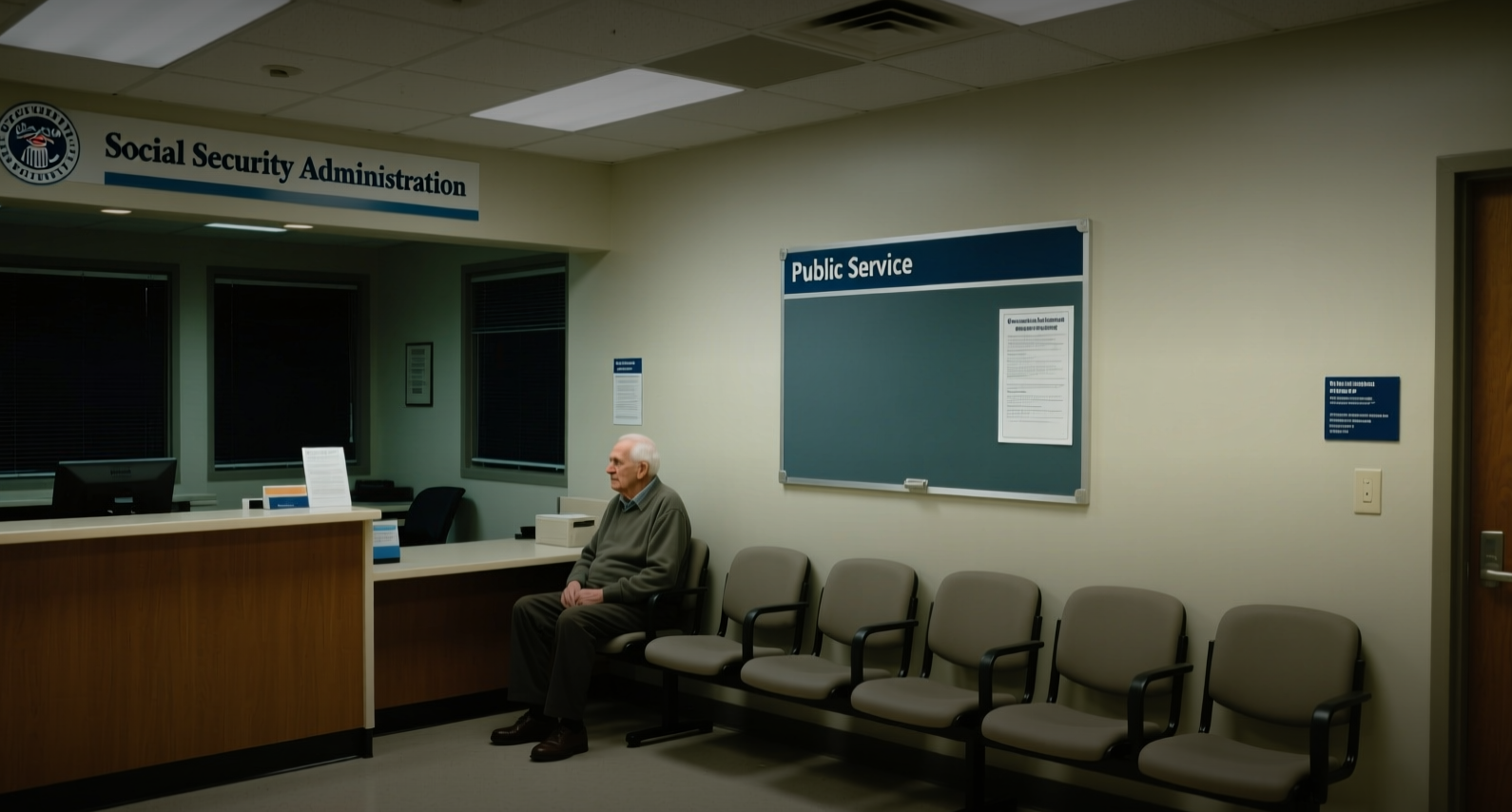
Senator Rick Scott's bill to scrap Social Security's earnings test would eliminate the $1-per-$2 withholding above $24,480, a Depression-era rule penalizing retirees who return to work for needed income.
"Retirees who paid into Social Security throughout their careers should not face a financial penalty for choosing to keep working," Scott said at a Senate Special Committee on Aging hearing focused on older Americans in the workforce.
The earnings test applies to beneficiaries below full retirement age (FRA). In 2026, those below FRA for the full year lose $1 in benefits for every $2 earned above $24,480. Beneficiaries who reach FRA during the year face a more generous $65,160 threshold, with $1 withheld for every $3 earned above that limit in the months before their birthday. The reductions are temporary — the Social Security Administration recalculates benefits at FRA and restores withheld amounts — but the monthly cash shortfall creates genuine hardship for retirees already stretched thin.
The stakes are measurable. The average retired worker collects about $2,086 per month as of July 2026, according to the SSA's Monthly Statistical Snapshot, while the average basic cost of living for a senior runs roughly $2,700 per month — a deficit of about $7,400 per year for retirees who rely solely on benefits.
The financial pressure is driving older Americans back into the workforce. A February 2026 AARP survey found 7 percent of retirees had reentered the labor force in the prior six months, with 48 percent citing financial need as the primary motivation. The Schroders 2026 US Retirement Survey of 1,500 investors, including 382 retirees, found 19 percent describe themselves as "struggling" financially and 49 percent say retirement expenses run higher than expected.
Scott introduced S.4184 on March 24, 2026, with Senator Tommy Tuberville as cosponsor. Representative Greg Murphy (R-N.C.) followed with the House companion H.R. 8344 on April 16, 2026. Both bills remain in committee as of early September 2026, with no floor vote scheduled in either chamber.
The earnings test dates to the Great Depression, when it was designed to push older Americans out of the labor force to free up jobs for younger workers. Supporters of repeal argue that logic no longer fits an economy where experienced workers are in demand and rising costs have extended working years well beyond what earlier generations anticipated.
The proposal also carries a fiscal argument. Encouraging more older Americans to stay in the labor force would generate additional payroll tax revenue for the Social Security trust fund, which depends heavily on that income to meet scheduled benefit obligations. That point carries added urgency as the 2027 COLA is projected at roughly 3.5 percent to 3.6 percent by AARP and The Senior Citizens League — the largest annual adjustment since 2023 — yet analysts note it may still leave many seniors unable to keep pace with actual living costs.
Critics of the current test also point to a transparency problem. Although the SSA eventually returns withheld benefits, many retirees do not fully understand how the adjustment works and cut back on work unnecessarily, forfeiting wages they could have earned without any permanent cost to their benefits.
If enacted, the legislation would allow beneficiaries below FRA to accept additional hours or return to full-time employment without tracking wages against a federal threshold each year. The legislative path remains long, but the proposal represents one of the most substantive efforts to modernize Social Security's work rules in years, with sponsors on both sides of the Capitol.
Readers should verify current benefit figures, earnings test thresholds, and legislative status against the latest official announcements from the Social Security Administration and Congress. This article is for informational reference only and does not constitute professional advice.
