

SK hynix is preparing to hand Intel a slice of the base-die business that TSMC has dominated since HBM4.
SK hynix is preparing to hand Intel a slice of the base-die business that TSMC has dominated since HBM4.
SK hynix is preparing to hand Intel a slice of the base-die business that TSMC has dominated since HBM4.
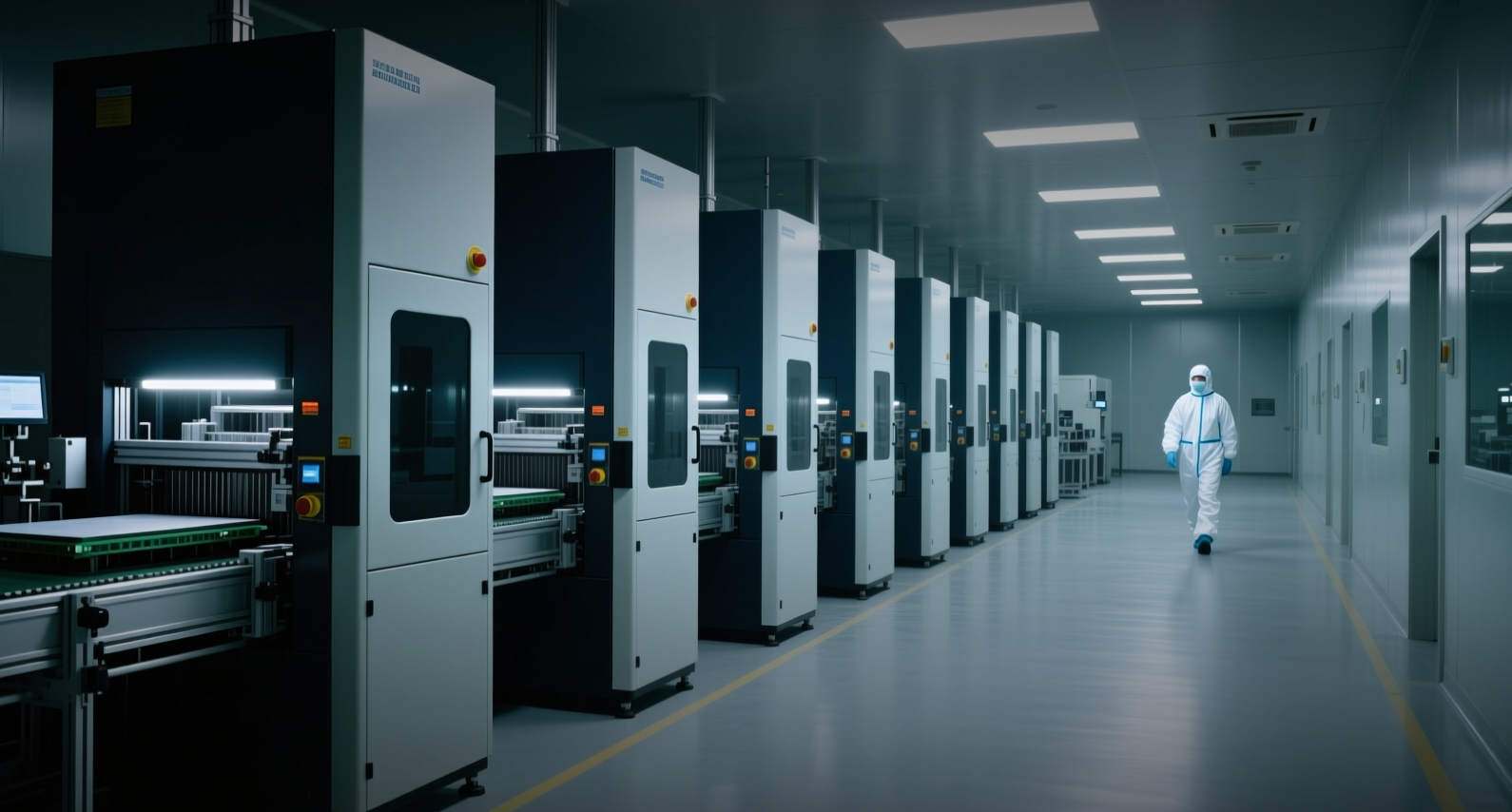
SK hynix is weighing Intel's foundry for the base dies in its HBM4E memory, a move that would break TSMC's monopoly and cut costs running three to four times higher than its own core dies.
SK hynix declined to confirm the plan, saying details of its technology roadmap were "difficult to confirm" and that "some content is not consistent with the facts."
The base die is the controller chip at the bottom of an HBM stack, handling the high-speed interface that links external processors such as GPUs and CPUs to the DRAM dies stacked above. Through HBM3E, SK hynix made the part in-house. From HBM4, it outsourced production to TSMC, which builds the base die on a 12-nanometer-class process. Industry sources estimate that TSMC's HBM4 base die costs three to four times more than the core dies SK hynix produces on its own 10-nanometer-class fifth-generation (1b) process. That burden is expected to grow with HBM4E, and because HBM sales run through long-term supply agreements, SK hynix cannot easily pass higher foundry costs on to customers.
Adding Intel as a second supplier would give SK hynix more bargaining power on pricing and supply security as custom HBM — base dies tailored to individual customers' AI accelerator architectures — becomes the battleground from HBM4 onward. It would also hand Intel Foundry a foothold in the fastest-growing corner of the memory market, where TSMC has been the sole external base-die maker.
The cost math explains the urgency. TSMC's 12nm base die for HBM4 carries a price tag three to four times that of SK hynix's own core die, and the gap widens with each generation as logic functions grow more demanding. Because HBM is sold largely under long-term supply agreements, the foundry bill cannot be passed straight through to product prices, squeezing margins at a time when SK hynix is racing to keep its lead over Samsung Electronics and Micron Technology in the AI memory market. SK hynix shipped samples of its 12-layer HBM4E to major customers in June, with the product designed to deliver up to 16 gigabits per second per pin and more than 20 percent higher power efficiency than earlier generations.
Beyond cost, the move is about reducing dependence on one supplier. Custom HBM, where base-die designs are matched to the architecture and performance needs of individual AI accelerators, is central to SK hynix's strategy from HBM4 onward. Relying on a single foundry limits its ability to serve a broad range of AI chip customers, from Nvidia to AMD and beyond. A multi-vendor structure lets SK hynix shift production between TSMC and Intel depending on customer requirements and capacity, and it strengthens the company's hand in negotiations with both.
The cooperation may extend beyond base-die manufacturing. At Hot Chips, the high-performance computing conference in Silicon Valley, Lee Jae-sik, vice president of package engineering at SK hynix America, said the company is comparing TSMC's CoWoS-S and CoWoS-L with Intel's EMIB advanced packaging approaches. If SK hynix adopts Intel's EMIB, it would deepen the foundry relationship and give Intel a second revenue stream in the HBM supply chain.
SK hynix shares fell 1.9 percent to 1.621 million won in early trading, while the KOSPI dropped 2.5 percent. TSMC shares slipped 1.7 percent to NT$2,380. Intel, trading at $89.47, fell 2.84 percent. The plan remains under consideration rather than a finalized agreement, so the timing and scope of any Intel production involvement are unclear. For investors, the direction is clear: a multi-vendor base-die strategy would strengthen SK hynix's cost position and negotiating power, while giving Intel Foundry a credible entry into the HBM market that could pressure TSMC's pricing over time.
This article is for informational purposes only and does not constitute investment advice.
