
Key Takeaways:
- SK Hynix's $28 billion ADR offering is more than seven times oversubscribed.
- Baillie Gifford, Coatue and Situational Awareness Partners anchor up to $7 billion.
- Pricing set for Thursday; when-issued trading on Nasdaq begins Friday.
Key Takeaways:
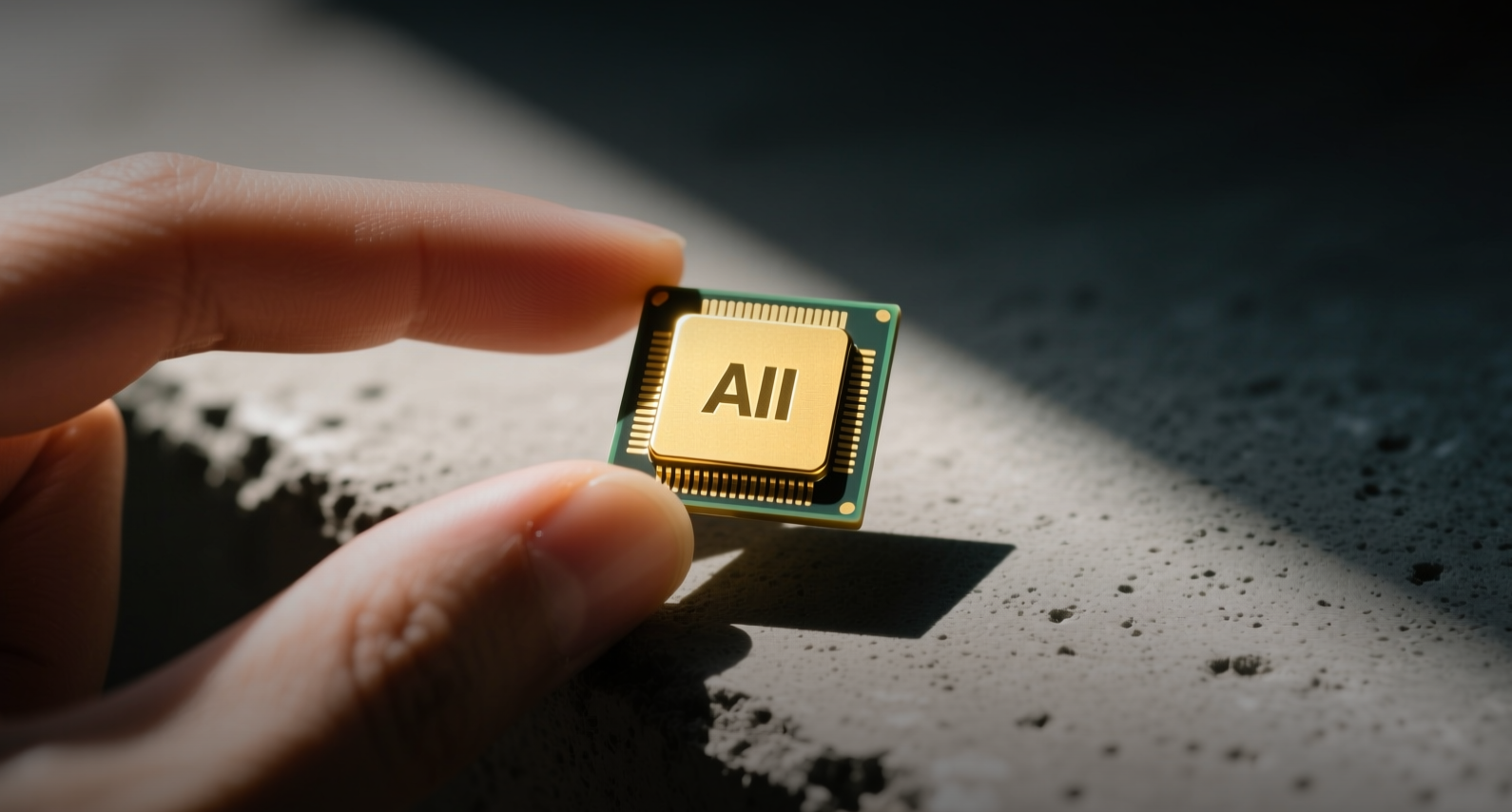
SK Hynix Inc.'s $28 billion US listing drew orders for more than seven times the available shares, signaling that institutional appetite for AI-chip exposure remains voracious even as South Korea's benchmark briefly entered a bear market.
"The order book reflects demand from global long-only funds, technology sector specialists and sovereign wealth funds," a person familiar with the matter said, asking not to be identified because the terms are private.
The South Korean memory chipmaker is offering 177.9 million American depositary receipts, each representing one-tenth of a common share, at a reference price of 242,500 won per ADR based on the July 3 Seoul close. Baillie Gifford Overseas Ltd., investment funds managed by Coatue Management and Situational Awareness Partners have each indicated interest in purchasing up to a combined $7 billion of the ADRs, according to Bloomberg. About 1,000 institutional investors joined a management marketing call Monday, Reuters reported.
The deal trails only SpaceX's $85.7 billion IPO last month as the year's second-largest share sale, surpassing Saudi Aramco's 2019 listing and Alibaba's 2014 debut. Pricing is expected early Thursday afternoon New York time, with when-issued trading on the Nasdaq Global Select Market starting Friday under the ticker SKHYV and regular trading July 13 under SKHY.
A $1 Trillion Chipmaker's US Debut
SK Hynix's market value has more than tripled this year to exceed $1 trillion, driven by its dominance in high-bandwidth memory chips used in Nvidia Corp. and Alphabet Inc.'s artificial intelligence systems. The offering amounts to about 2.5% of that valuation. Bank of America Corp., Citigroup Inc., Goldman Sachs Group Inc. and JPMorgan Chase & Co. are leading the underwriting syndicate.
The ADR structure includes limits on converting Seoul-listed shares into the US-traded receipts, a feature that may restrict arbitrage and cause the American depositary receipts to trade at a premium to the Korean stock, according to UBS analysts who advised clients this week to buy the ADRs and sell the common shares.
A Bear Market That Lasted One Session
The strong demand emerged the same week the KOSPI slid 5.35% Wednesday to close at 7,246.79, briefly pushing the index more than 20% below its recent record high — the technical definition of a bear market. The benchmark rebounded nearly 4% by Thursday's open, erasing that threshold within a single session.
The concentration risk behind that volatility is stark. Samsung Electronics Co. and SK Hynix now account for roughly half of the KOSPI's total weight, up from about a quarter at the end of last year, according to Zavier Wong, a market analyst at eToro. That means a sharp move in either stock drags the entire index before the other roughly 900 listed companies get a say.
Global investors kept buying into SK Hynix's dollar-denominated shares through the single-session panic in Seoul. Whether that gap reflects more confidence in the AI chip cycle among overseas buyers — or simply the structural demand for US-listed semiconductor exposure — will become clearer when the ADRs begin trading Friday.
This article is for informational purposes only and does not constitute investment advice.
