
Samsung Electronics is creating a robotics division that reports directly to the chief executive, elevating the business to the same strategic tier as its semiconductor and mobile operations.
Samsung Electronics is creating a robotics division that reports directly to the chief executive, elevating the business to the same strategic tier as its semiconductor and mobile operations.
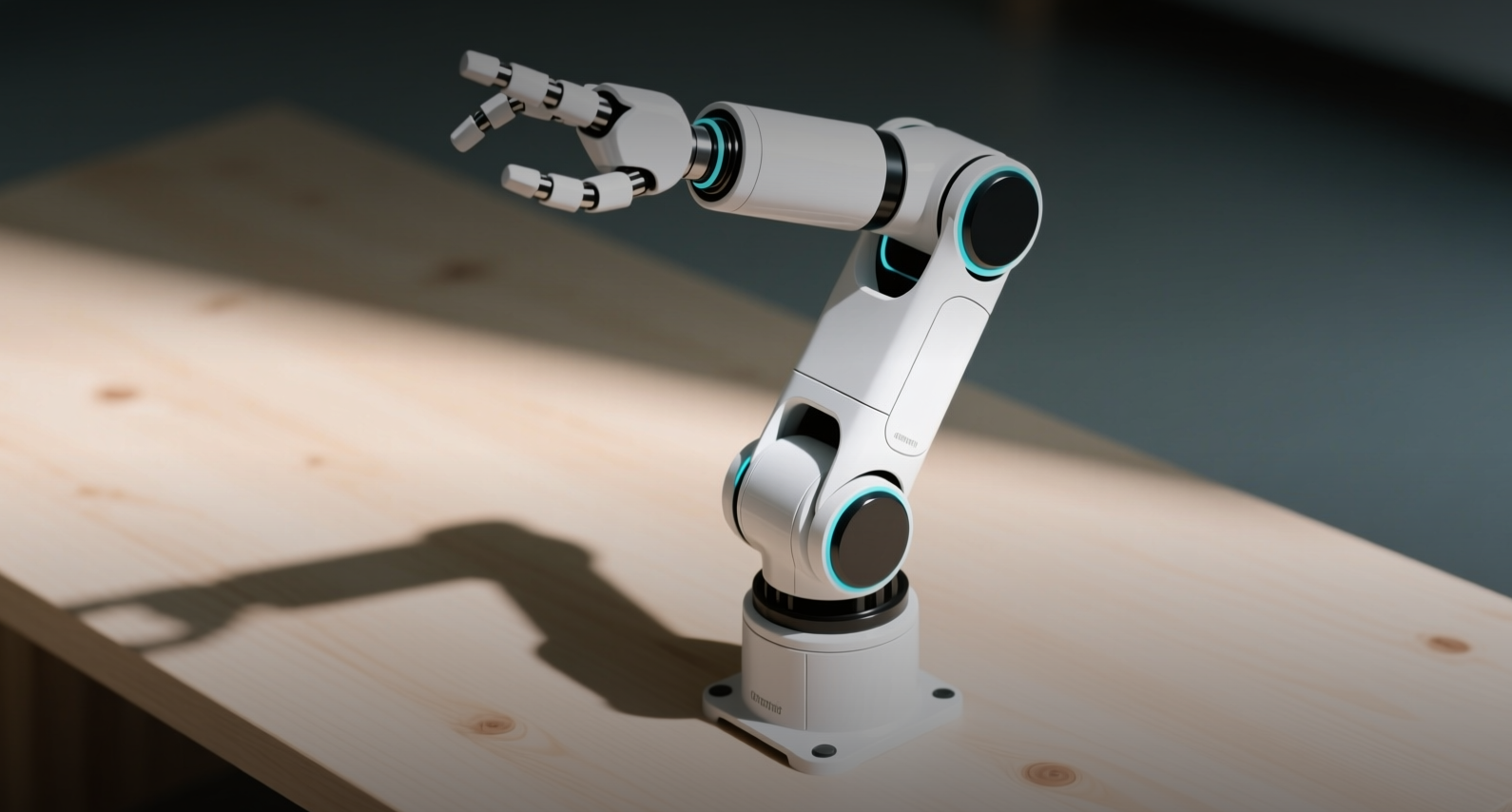
Samsung Electronics is creating a robotics division that reports directly to the chief executive, elevating the business to the same strategic tier as its semiconductor and mobile operations.
Samsung Electronics said Tuesday it will establish a robotics unit reporting directly to CEO Han Jong-hee, elevating the business from a research project to a core growth engine alongside its $100bn-plus semiconductor and mobile divisions. The new structure is designed to accelerate both development and commercialization of robotics technologies, the company said.
"Samsung is making a strategic bet that robotics will be a major growth driver in the coming decade, and placing it directly under the CEO signals that this is not a side project," the company said in a statement. The division will consolidate existing robotics research efforts across Samsung's various business units into a single organization with dedicated resources and a clear commercial mandate.
The move comes as Samsung's chip division posts record profits — the company projected a roughly 19-fold jump in second-quarter operating profit to about 89 trillion won, driven by demand for high-bandwidth memory used in AI data centers. Its consumer electronics operations, by contrast, face pressure from rising component costs and intensifying competition from Apple and Chinese rivals in smartphones, televisions and home appliances.
Samsung's market capitalization surpassed $1tn earlier this year, fueled by the AI memory boom. The robotics division represents the company's latest attempt to diversify beyond its core memory business and consumer electronics, where growth has slowed. The unit will focus on developing robots for both industrial and consumer applications, including service robots, collaborative manufacturing robots and humanoid platforms, according to people familiar with the plans who declined to be named because the details are not yet public.
Robotics as the next growth frontier
The global robotics market is projected to reach $210bn by 2030, according to Goldman Sachs Research, driven by labor shortages, aging populations and advances in AI-powered automation. Samsung faces competition from established players including Tesla, which is developing its Optimus humanoid robot, as well as LG Electronics, Sony Group and Chinese manufacturers such as DJI and UBTech Robotics.
Samsung already produces robotics components through its semiconductor and display businesses, including sensors, processors and camera modules used in autonomous systems. The new division is expected to leverage these internal capabilities to build integrated robotic systems, potentially giving it a cost advantage over pure-play robotics startups that must source components from third-party suppliers.
The company has not disclosed the size of the investment or a timeline for commercial product launches. Samsung's existing robotics efforts include Samsung Bot, a line of service robots for retail and hospitality settings, and its work on exoskeleton technology for manufacturing and healthcare applications.
What this means for investors
Samsung shares trade at about 18 times forward earnings, a discount to Taiwan Semiconductor Manufacturing Co.'s 22 times, reflecting investor uncertainty about the company's ability to sustain its AI-driven profit growth and offset weakness in consumer electronics. The robotics division is unlikely to contribute meaningful revenue for at least three to five years, analysts said, but the strategic signal is important: Samsung is positioning itself for the post-AI-memory cycle.
"Creating a CEO-level robotics division tells you Samsung sees its current AI chip boom as time-limited and is already building the next growth engine," said Lee Seung-woo, an analyst at Eugene Investment & Securities in Seoul. "The question is whether they can execute — Samsung has a mixed track record with new business units."
The robotics push mirrors a broader trend among Asian technology conglomerates. Japan's Sony has invested heavily in its AI robotics platform, while China's Xiaomi and Huawei have both launched humanoid robot projects. In South Korea, LG Electronics established a dedicated robotics business unit in 2023 and has since partnered with Bear Robotics to develop autonomous service robots.
This article is for informational purposes only and does not constitute investment advice.
