
Raspberry Pi is paying 10 times more for DRAM than 18 months ago, the clearest sign yet that AI data-center demand is inflating memory costs across the entire technology supply chain.
Raspberry Pi is paying 10 times more for DRAM than 18 months ago, the clearest sign yet that AI data-center demand is inflating memory costs across the entire technology supply chain.
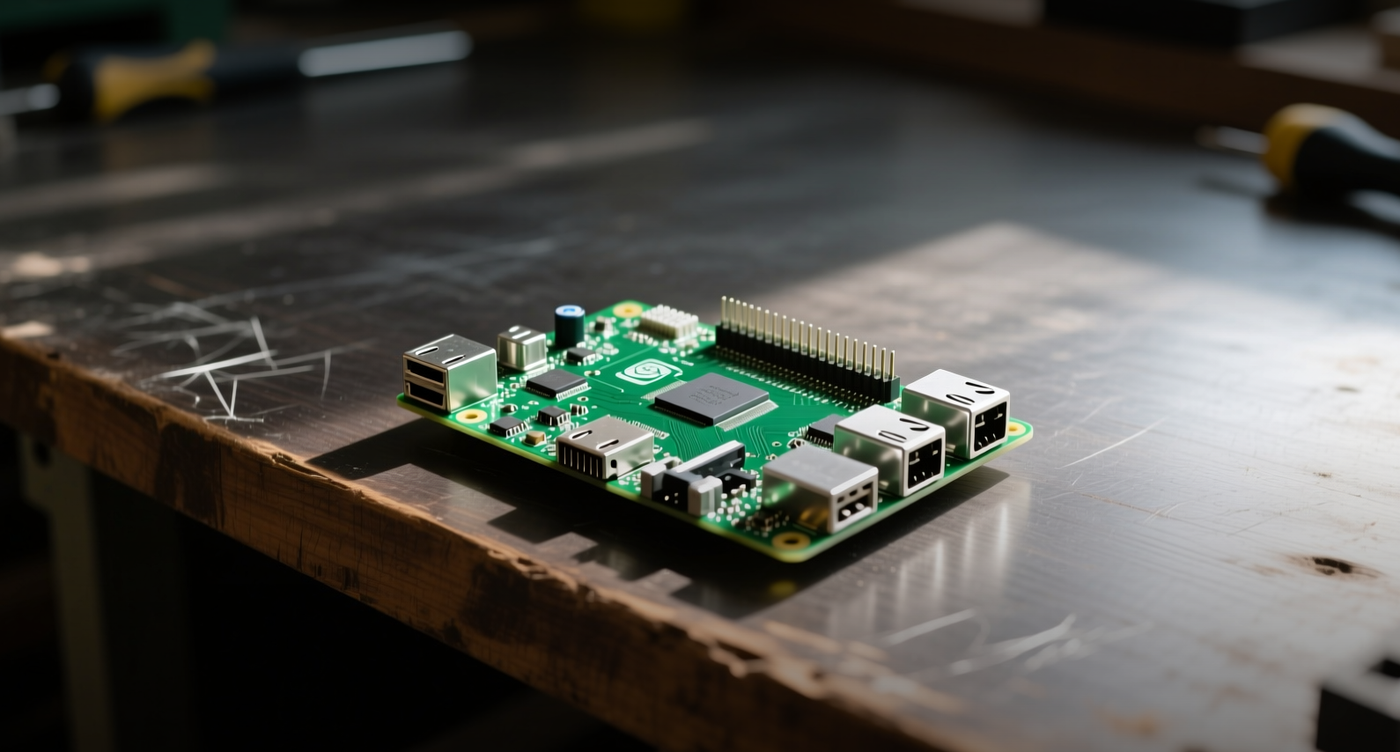
Raspberry Pi is paying 10 times more for DRAM than 18 months ago, the starkest evidence yet that AI data-center buildout is inflating memory costs across the entire hardware supply chain.
"We're paying 10 times more for DRAM now than 18 months ago," Eben Upton, founder and CEO of Raspberry Pi, said in an interview published Thursday, attributing the surge to AI demand and constrained supply.
The price shock extends far beyond the single-board computer maker. Server DRAM contract prices rose 64 percent in the second half of 2025 and are projected to jump roughly 270 percent in 2026, according to TrendForce. Counterpoint Research reported an 80 to 90 percent quarter-over-quarter increase across DRAM, NAND, and high-bandwidth memory in the first quarter of 2026. Nvidia has told major customers that servers containing its Grace Blackwell and Vera Rubin chips will cost more than 15 percent more beginning early next year, with memory now representing about 25 percent of high-end rack costs, per Deloitte estimates.
The memory crunch is reshaping pricing across the tech industry. Apple raised prices on Macs, iPads, and other products by up to 20 percent in June, with CEO Tim Cook blaming soaring memory and storage costs. Amazon hiked the Echo Dot from $49.99 to $79.99, a 60 percent increase, and the base Kindle from $109.99 to $149.99. Gartner projects the supply crunch will persist at least through the first half of 2027, while Deloitte expects AI-server DRAM prices to quadruple over the full year.
Memory to Hit 68% of CSP CapEx by 2027
TrendForce estimates that DRAM and NAND Flash combined will account for 47 percent of cloud service providers' total capital expenditure in 2026, rising to 68 percent in 2027. Major CSPs are accelerating AI infrastructure investment, with total CapEx projected to surge 98 percent year-over-year in 2026 and another 50 percent in 2027. HBM and RDIMM combined will account for 51 percent of DRAM bit supply in 2026, as suppliers prioritize limited capacity for server applications over consumer products.
The supply-demand imbalance gives memory manufacturers extraordinary pricing power. Micron, SK Hynix, and Samsung stand to benefit most from the shortage, while downstream hardware companies like Raspberry Pi face margin compression. Some long-term agreements signed from the second quarter of 2026 onward have included price ceilings that could limit further increases, but HBM contract prices could still rise 70 to 140 percent in 2027.
Who Wins, Who Loses
For Nvidia, higher memory prices could paradoxically strengthen its position. Demand for its AI infrastructure remains strong enough that hyperscalers appear willing to absorb higher costs, allowing Nvidia to pass memory inflation through to Microsoft, Alphabet, and Oracle rather than absorbing the increase itself. The bigger risk is that if AI infrastructure becomes too expensive, hyperscalers have greater incentive to develop custom silicon and diversify away from Nvidia's platform.
For consumer hardware makers, the picture is grimmer. Raspberry Pi, which sells low-cost computers for education and hobbyist markets, faces a particularly acute squeeze because its products compete on price. Amazon's decision to raise device prices by up to 60 percent shows that even the largest hardware vendors cannot absorb memory cost increases. Apple's 20 percent price hikes on Macs and iPads mark a similar shift.
Deloitte expects meaningful new memory capacity won't arrive until 2029 or 2030, suggesting the pricing pressure will persist for years. For investors, the memory squeeze favors Micron, SK Hynix, and Samsung, while pressuring consumer electronics and embedded computing companies that lack pricing power.
This article is for informational purposes only and does not constitute investment advice.
