
Powerus's Tandem Defense unit secured a U.S. Air Force contract worth up to $90 million for aerial-denial drones as its merger advances.
Powerus's Tandem Defense unit secured a U.S. Air Force contract worth up to $90 million for aerial-denial drones as its merger advances.
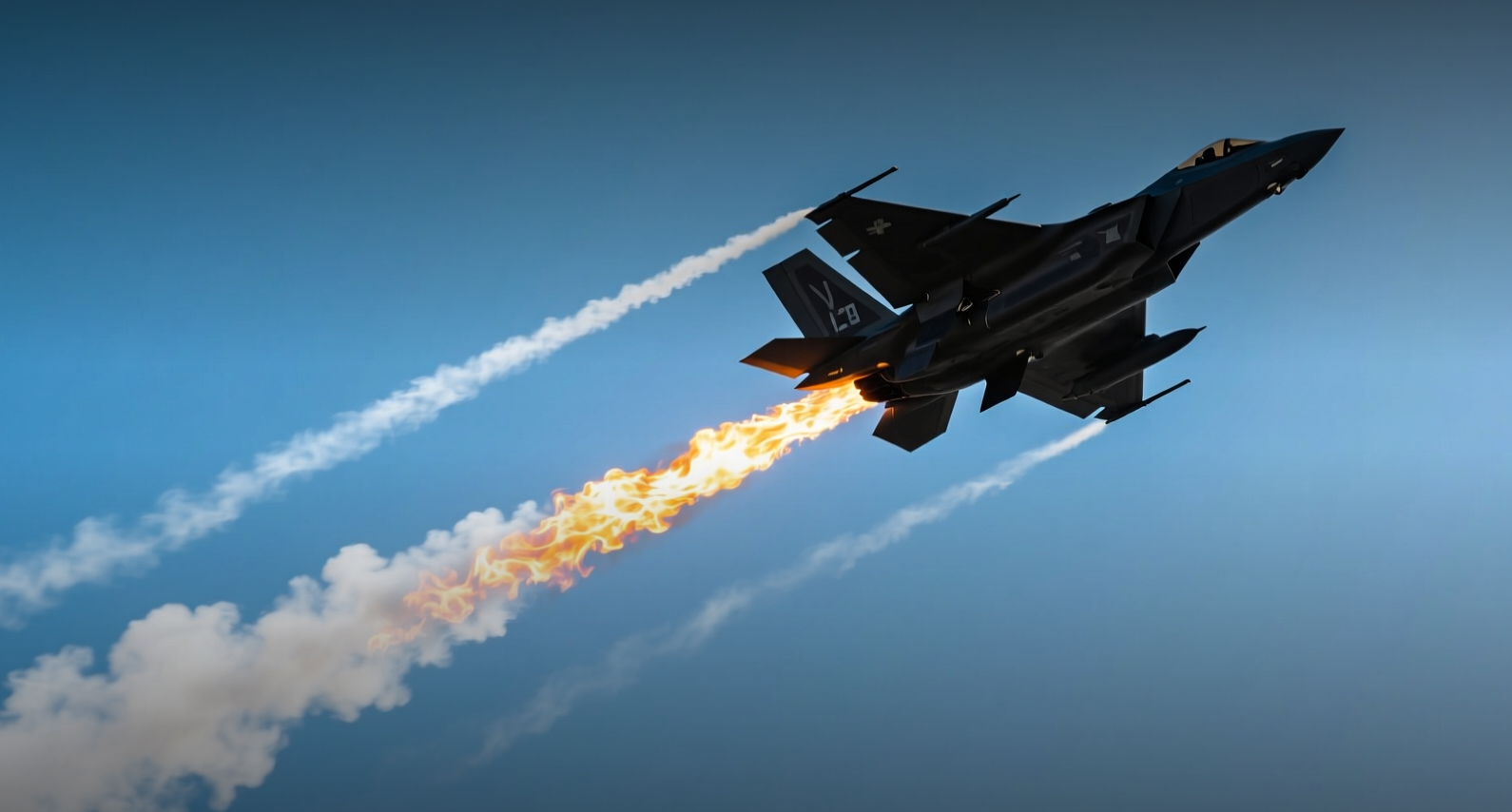
Powerus's Tandem Defense unit secured a U.S. Air Force contract worth up to $90 million for aerial-denial drones as its merger advances.
Powerus's Tandem Defense unit won a U.S. Air Force contract worth up to $90 million for Group 1 aerial-denial unmanned aircraft systems, a competitively awarded indefinite-delivery/indefinite-quantity deal running through mid-2028.
The award, managed by the Air Force Life Cycle Management Center at Wright-Patterson Air Force Base, covers systems, support equipment, operator training, and field service support, according to the company's Aug. 3 announcement. The Air Force has obligated initial funding, with additional orders to be placed at the government's discretion.
The $90 million ceiling is not guaranteed revenue. Actual receipts depend on task orders placed over the contract term and may be materially lower, subject to government funding availability, program priorities, and the government's right to terminate for convenience. Shares of Aureus Greenway Holdings, which trades under the PUSA ticker in anticipation of the merger, rose 5.44 percent to $3.30 following the announcement, with volume at 7.9 times the daily average and a market capitalization of $85.23 million.
The contract strengthens Powerus's defense credentials as it pursues a merger with Aureus Greenway Holdings, expected to close in summer 2026 pending effectiveness of a Form S-4 registration statement and regulatory approvals. The combined entity would adopt the Powerus Corporation name, with Powerus continuing as the surviving entity.
Contract structure and revenue uncertainty
The IDIQ structure means the Air Force may place individual orders against the ceiling as requirements arise, with work performed at locations determined by follow-on task orders. The contract period extends through mid-2028, subject to funding availability and task-order issuance. Tandem Defense, a U.S.-based manufacturer of unmanned aircraft systems for military, government, and law enforcement customers, is the contract holder.
Powerus builds unified autonomous systems architecture designed to move, protect, and sustain critical assets in high-risk environments, supporting demand for AI-enabled autonomy and modern battlefield capabilities. Production is scaled through U.S.-based manufacturing. The company also operates an agriculture division launched July 23, when Kaizen Aerospace signed a $60 million Australia-New Zealand distribution agreement and a U.S. partnership with Sprig Aerospace.
The contract award follows a series of corporate developments for Powerus this year. Unusual Machines made a $30 million strategic equity investment in the company on June 16 to scale U.S. autonomous drone manufacturing infrastructure. Powerus and Swarmer signed a non-binding memorandum of understanding on June 3 to explore autonomous swarming integration. The company advanced to Phase 3 of the U.S. Army's xTech Adaptive Strike competition on July 17.
Merger timeline and conditions
The proposed merger between Powerus and Aureus Greenway Holdings was publicly filed on Form S-4 with the SEC on July 30. Closing remains subject to customary conditions, including the registration statement becoming effective, Nasdaq listing requirements, CFIUS review if applicable, defense-sector regulatory clearances, and export-control approvals. Deal value and payment structure have not yet been disclosed. There can be no assurance the transaction will be consummated.
Historical market reactions to Powerus announcements have been mixed. The company's advancement to Phase 3 of the U.S. Army's xTech Adaptive Strike competition on July 17 was followed by a 6.45 percent gain, while a July 23 distribution partnership announcement preceded a 2.4 percent decline. The June 2 drone industry overview that highlighted Powerus among American drone-sector companies was followed by a 33.9 percent jump. A $30 million strategic equity investment from Unusual Machines on June 16 preceded a 1.8 percent decline.
The contract award provides a potential revenue pipeline through mid-2028, but the IDIQ structure leaves task-order volume and timing fully at government discretion. For investors in the pending merger, the contract adds a defense-sector credential that could strengthen the combined entity's positioning, though actual revenue realization depends on follow-on orders that may fall well short of the $90 million ceiling. The merger's completion also carries execution risk, with the Form S-4 still subject to SEC review and multiple regulatory clearances pending.
This article is for informational purposes only and does not constitute investment advice.
