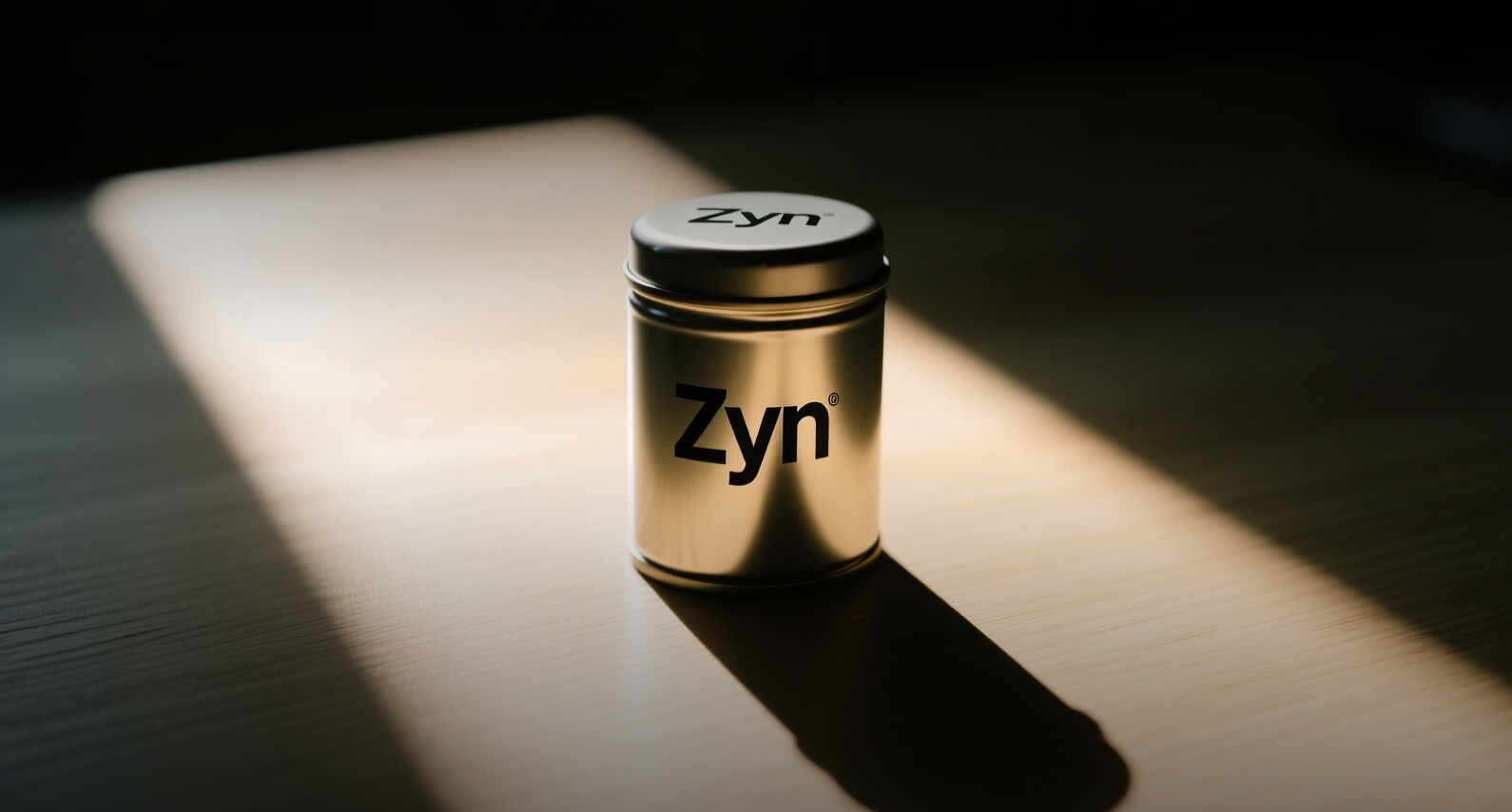
Philip Morris International opened a $1.2 billion manufacturing campus in Aurora, Colorado, doubling its original investment to meet surging demand for Zyn nicotine pouches.
Philip Morris International doubled its planned investment in a Colorado manufacturing campus to $1.2 billion through 2028, expanding production capacity for Zyn nicotine pouches as demand for smoke-free alternatives accelerates.
"This facility expands our production capacity, strengthens our supply chain, and enhances our ability to serve growing demand in the United States and around the world," Stacey Kennedy, chief executive of PMI U.S., said in a statement.
The 780,000-square-foot campus on a 148-acre site began commercial production in July after 19 months of construction. Philip Morris has invested about $1 billion to date and plans an additional $200 million over the next two years for further expansion. The facility joins existing operations in Owensboro, Kentucky, and Wilson, North Carolina, forming a three-site domestic manufacturing network.
The investment signals Philip Morris's conviction that Zyn will remain the dominant nicotine pouch in the U.S. as adult smokers shift away from cigarettes. The company reported second-quarter U.S. Zyn shipments of 2.9 billion pouches, up 1.8% from a year earlier. The Food and Drug Administration in June authorized 20 ZYN products as modified-risk tobacco products, the first such designation for nicotine pouches and a regulatory milestone that opens the door to marketing reduced-risk claims versus cigarettes.
A Strategic Production and Export Hub
The Aurora campus integrates production, packaging, warehousing and distribution under one roof, enabling efficient domestic distribution while supporting export markets across Asia, Latin America and the Caribbean. The facility is Philip Morris's first greenfield manufacturing complex in the United States, developed with design-build partner The Haskell Company.
Once fully operational, the campus is expected to generate about $550 million in annual economic impact and support 1,000 indirect jobs, according to an analysis by EConsult Solutions. Construction created nearly 5,000 jobs and generated roughly $1 billion in economic impact. The site will directly employ approximately 500 people across engineering, production, quality control and support functions.
The expansion comes as Philip Morris accelerates its shift toward smoke-free products. The company has invested more than $16 billion since 2008 to develop and commercialize alternatives to cigarettes. Smoke-free products accounted for about 42% of Philip Morris's second-quarter 2026 total net revenue and are available in 109 markets, used by over 43 million legal-age consumers globally, the company said.
Community Investment and Regulatory Tailwinds
Beyond manufacturing, Philip Morris has invested more than $1.5 million since 2024 in Colorado community organizations, including the Rocky Mountain Veterans Advocacy Project and the Community College of Aurora Foundation.
The FDA's modified-risk authorization in June provides a significant competitive advantage for Zyn, allowing Philip Morris to communicate reduced-risk information compared with cigarettes — a marketing benefit no other nicotine pouch product currently holds. The authorization covers 20 ZYN variants and follows the agency's earlier marketing granted orders for the brand.
Philip Morris International trades on the New York Stock Exchange under the ticker PM. The company employs more than 3,000 people across its U.S. operations.
This article is for informational purposes only and does not constitute investment advice.