Crude at $88 and 10-year yields at January 2025 highs are squeezing AI chip valuations as markets price in a September Fed hike.
Crude at $88 and 10-year yields at January 2025 highs sent AI chip stocks lower as investors priced in Fed rate hikes.
"The Middle East had finally gone quiet enough for oil traders to start sanding some of the war premium out of crude. Then Sunday arrived, with a reminder that quiet in the Strait of Hormuz is not the same as peace," Stephen Innes, managing partner at SPI Asset Management, said.
Brent crude jumped 3.8% to $91.40 a barrel early Monday after U.S. forces struck Iranian rocket launchers on the Strait of Hormuz, while U.S. benchmark crude traded 3.8% higher at $86.58. The 10-year Treasury yield rose for a fifth consecutive session to 4.79% on Tuesday, a new high since January 2025, with the 30-year bond climbing to 5.28%. Fed funds futures priced a 68% chance of a 25-basis-point rate hike at the September 16 meeting, up from roughly 40% last week.
The combination of higher energy costs and elevated discount rates hits growth-oriented tech hardest. AI chip names carry the longest duration in the S&P 500, making them most sensitive to rising yields. The Nasdaq composite fell 0.5% on Friday, and futures pointed 0.2% lower Monday. The August employment report due Friday and consumer prices data on September 11 will determine whether the Fed follows through.
Oil's Geopolitical Premium Returns
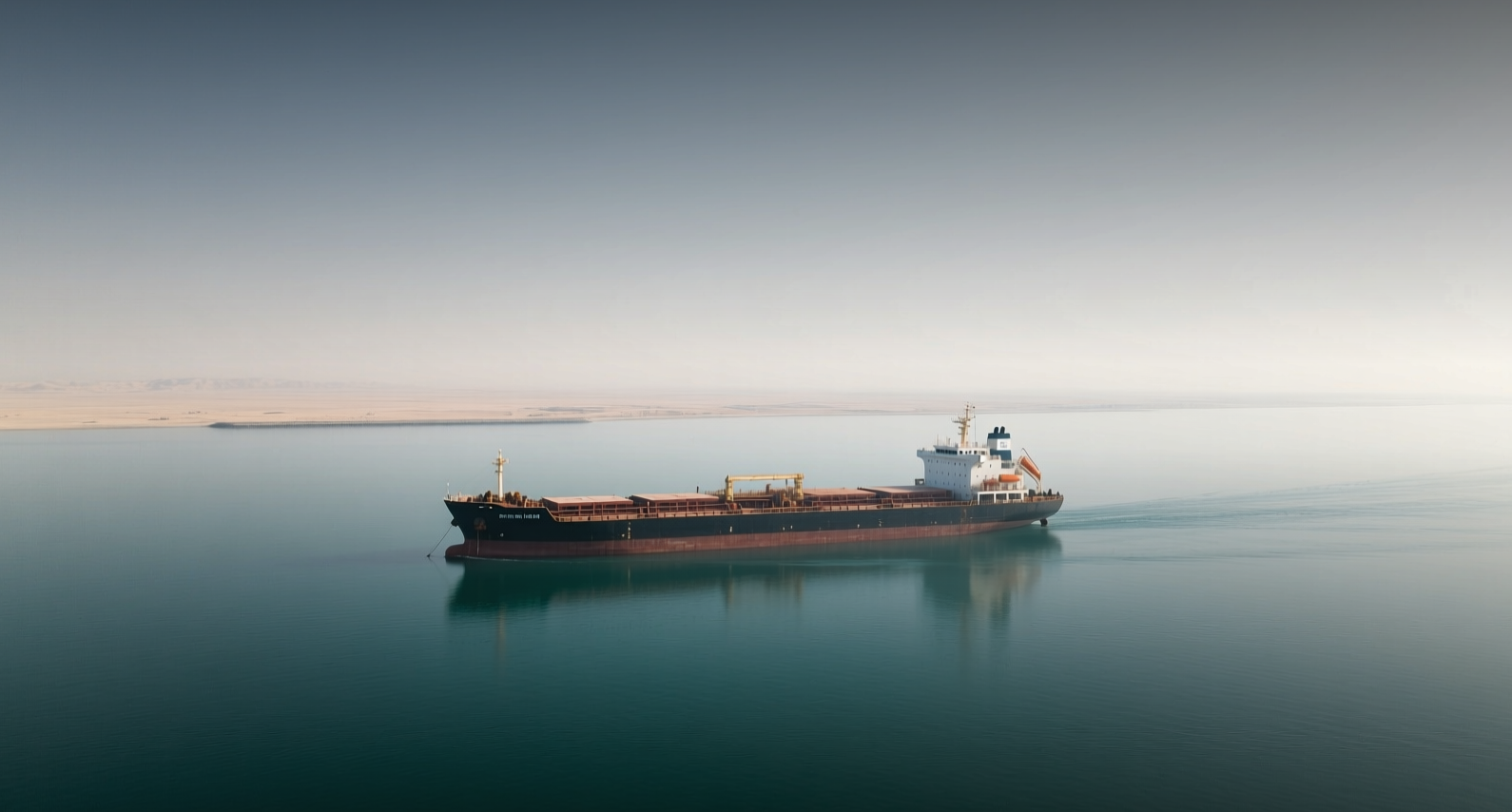
The U.S. strike on Iranian rocket launchers marked the first military action in a month, reversing a period when traders had been removing the war premium from crude. President Donald Trump threatened additional attacks, keeping the risk of supply disruption elevated. The Strait of Hormuz carries roughly a fifth of global oil consumption, making any escalation a direct threat to supply.
Yields Break Higher as Warsh Signals Tightening
Fed Chair Kevin Warsh's Jackson Hole speech Friday reinforced expectations that the central bank will raise rates to bring inflation down, despite potential short-term economic pain. The two-year Treasury yield jumped to 4.35% from 4.22% before the speech. Barclays and Societe Generale updated their outlooks to pencil in rate increases this year, while Deutsche Bank maintained its call for a combined 50 basis points of tightening in 2026.
The 10-year yield's breach of 4.75% extends a months-long rise in long-term borrowing costs. The yield had crossed above 4.7% earlier in August, a level that had been sub-4% before the Iran War began at the end of February. The 30-year yield hit a 19-year high in mid-August before pulling back after the Treasury Department said it would increase buybacks of long-dated debt.
Options activity reflected growing anxiety about further weakness in long-dated Treasuries. A roughly $6.5 million bet via December put options on Treasury Bond futures was structured around a scenario in which 30-year yields climb to approximately 5.7%.
Not all market participants agree with the direction of travel. Matthew J. Maley, chief market strategist at Miller Tabak, said "there remains no empirical basis for the rate hike," arguing that Warsh "appears to be talking up inflation so that he can claim credit for taming it when headline measures inevitably come down."
Sean Simko, head of fixed-income investment management at SEI Investments Corp., said the August employment report due Friday and consumer prices data on September 11 would be influential. "If the labor market remains steady and inflation stays elevated, that's probably going to have the Fed lean into raising interest rates" on September 16, Simko said.
Global markets moved lower across most regions. Germany's DAX lost 0.9% to 26,339.04, while the CAC 40 in Paris edged 0.1% lower to 8,390.43. In Asia, the Nikkei 225 lost 0.1% to 66,311.93, while the Hang Seng fell 0.1% to 25,566.99. The Shanghai Composite gained 0.9% to 3,986.30. The dollar fell to 159.75 Japanese yen from 160.10 yen.
This article is for informational purposes only and does not constitute investment advice.