
Return-to-office mandates are driving employers toward well-appointed buildings near transit, reviving a sector that spent years in the doldrums.
Return-to-office mandates are driving employers toward well-appointed buildings near transit, reviving a sector that spent years in the doldrums.
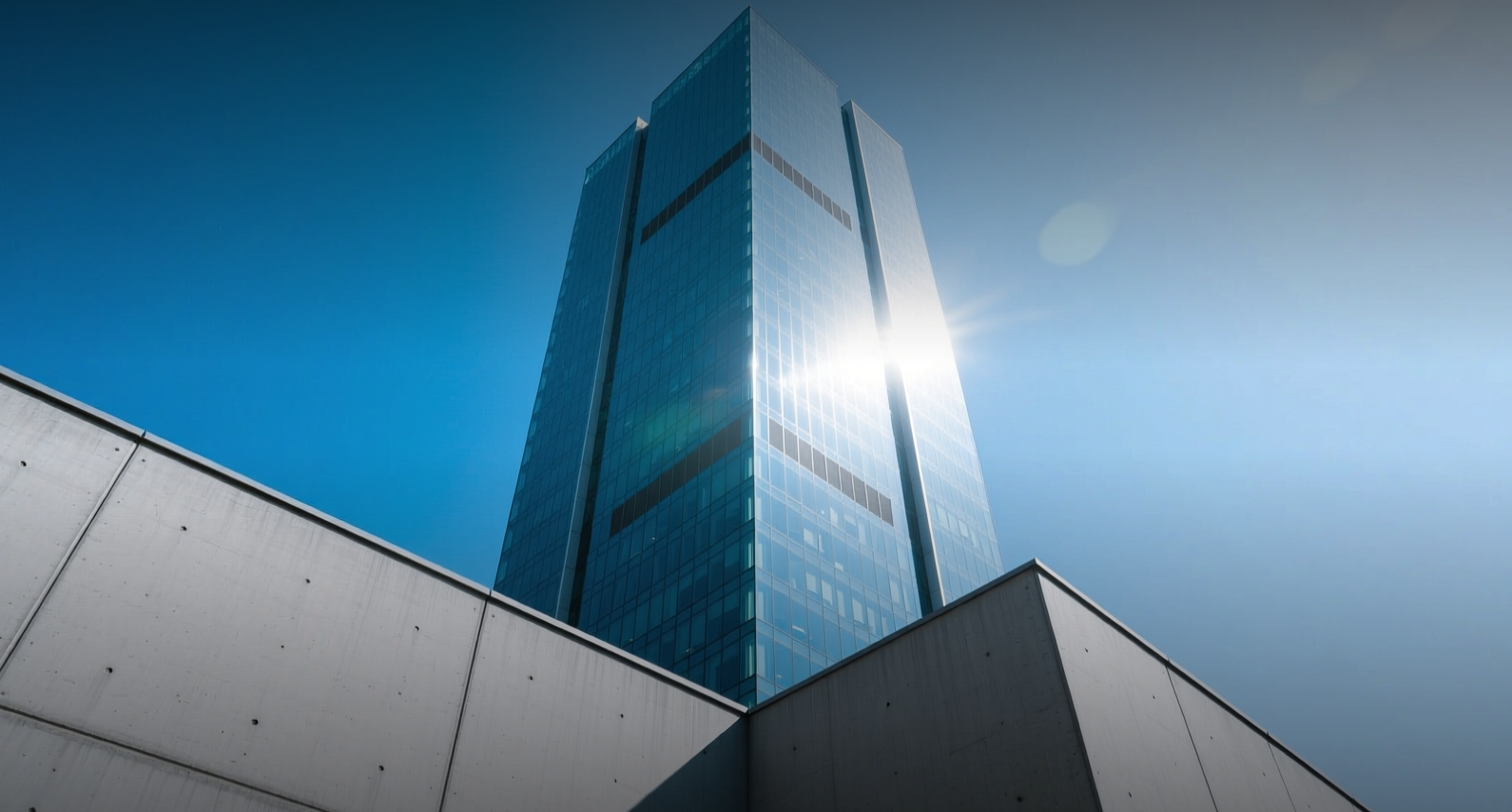
Return-to-office mandates are driving employers toward well-appointed buildings near transit, reviving a sector that spent years in the doldrums.
The return-to-office trend is pushing employers toward well-appointed buildings near transit, lifting occupancy at premier properties to 98 percent at Hong Kong's IFC and reviving demand across the office REIT sector.
"Office leasing activity has accelerated with notable tenant upgrades and expansion needs, mainly in core business areas," said Lo King-wai, member of the executive committee at Sun Hung Kai Properties.
IFC occupancy reached 98 percent while ICC held at 91 percent, and net take-up of about 1.8 million square feet was recorded in Hong Kong's core business districts in 2025. Central office rents fell just 0.4 percent over the year, a sharp contrast to the sustained declines of recent years. In the United States, 16 publicly traded office REITs are competing for tenants, with dividend yields ranging from 4.06 percent at SL Green Realty to 9.38 percent at Easterly Government Properties.
The recovery matters because office REITs spent years in a multi-year slump after the pandemic. Employers calling workers back are upgrading to Class A properties in urban centers, favoring REITs like BXP, which owns 164 properties totaling 51.1 million square feet, and Cousins Properties, which focuses on fast-growing Sun Belt markets.
The flight to quality is reshaping the office market. Companies that once leased sprawling suburban campuses are consolidating into modern, transit-accessible buildings in city centers. This has created a two-tier market: premier properties are seeing rising occupancy and rents, while lower-quality buildings continue to struggle.
This dynamic is reflected in the performance of individual REITs. Easterly Government Properties, which owns 106 properties including 93 leased to U.S. government agencies, offers a 9.38 percent dividend yield. BXP, the largest publicly traded owner of premier workspaces, reset its dividend in late 2025 to retain cash for development projects and has $3.6 billion in properties under development. Kilroy Realty, focused on West Coast Class A office and life science properties, is benefiting from more tech companies requiring employees to work in-office.
Cousins Properties, which focuses on Class A office buildings in Austin, Atlanta, Phoenix, Charlotte, Tampa, Houston, Dallas, and Nashville, is benefiting from migration trends. The Sun Belt region has attracted significant population inflows from cold, expensive coastal cities, enabling Cousins to launch new development projects and acquire properties. In early 2026, the REIT bought 200 South Tryon, a premier lifestyle office property in Charlotte, for $317.5 million.
The return-to-office trend is not uniform. While Class A properties in urban centers are recovering, suburban commodity office campuses continue to face weak demand. This bifurcation means REIT investors must be selective. The last time office demand recovered this strongly was in the years before the pandemic, when occupancy rates at premier buildings consistently exceeded 95 percent. If the current momentum holds, REITs with high-quality, transit-accessible portfolios could see occupancy and rents continue to rise through 2027.
This article is for informational purposes only and does not constitute investment advice.
