

Nvidia is betting $28 billion that open-source AI models will expand GPU demand beyond a handful of frontier labs.
Nvidia is betting $28 billion that open-source AI models will expand GPU demand beyond a handful of frontier labs.
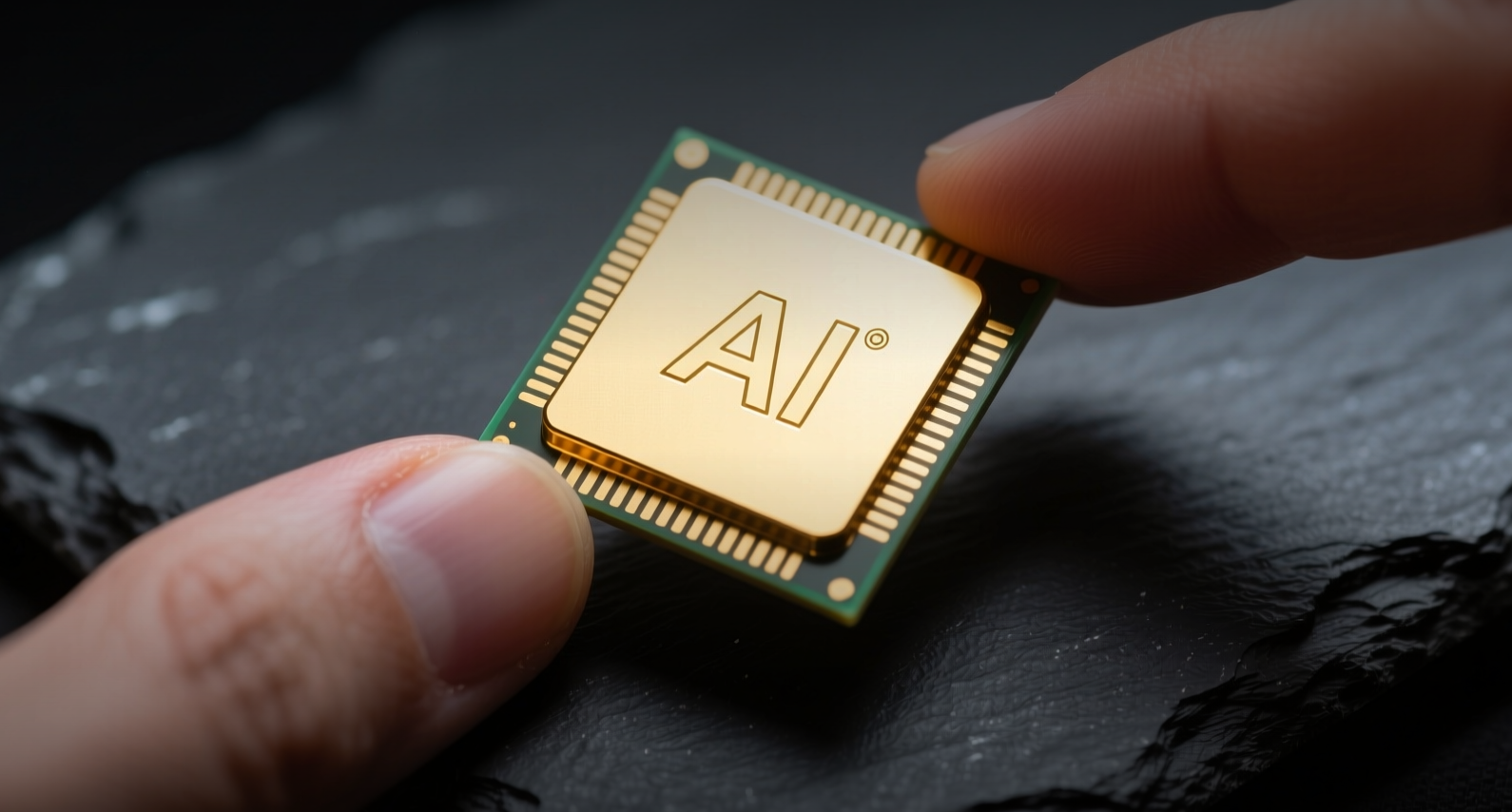
Nvidia is developing Nemotron 4, an open-source AI model with at least 1 trillion parameters — double the size of its largest current model — as the chipmaker seeks to broaden GPU demand beyond a handful of frontier labs and cloud providers.
"Nvidia invests in Nemotron because we believe every company and every country needs accessible frontier open-source models," Kari Briski, vice president of generative AI at Nvidia, said in an email.
The model would roughly double the parameter count of Nemotron 3 Ultra, released in June, and is designed to match the best open-source models globally, according to The Information. Nvidia has committed $28 billion in multi-year cloud service agreements through early 2031 — about three times the amount disclosed a year earlier — with roughly $7 billion allocated to the current fiscal year ending January 2028. The research paper for Nvidia's previous major model listed 570 authors; employees said Nemotron 4 involves more.
The strategy carries structural tension. Nvidia has invested $30 billion in OpenAI, one of its largest chip customers, while Nemotron 4 is positioned as a lower-cost alternative to frontier models. But the bet is that a more vibrant open-source community drives more GPU demand overall. "No matter which company makes a great open-source model, Nvidia wins," Anastasios Angelopoulos, chief executive of model evaluation firm Arena, said.
To accelerate development, Nvidia has assembled a network it calls the Nemotron Alliance, including Reflection, Cursor, Thinking Machines and Mistral — open-source developers that contribute training data, evaluation support and model design ideas while pursuing their own projects. Prime Intellect, an AI model training startup, has contributed 300,000 simulation environments for model training, according to a person directly involved in the collaboration. Cognition, an AI coding tools startup, has discussed providing code training data to Nvidia, though the partnership has not been publicly announced.
Alliance members have varied motivations. Some want to expand their market share through Nvidia's push for open-source AI; others want to influence the direction of a high-quality model they can use without bearing the cost of training compute themselves. Vincent Weisser, chief executive of Prime Intellect, framed the alliance as collective action against a single "god-like" model monopoly rather than a zero-sum contest for the best open-source model title.
Nvidia's open-source strategy has already drawn attention in Washington. Jensen Huang, Nvidia's chief executive, posted his first message on X in late July defending open models, arguing they "strengthen safety and cybersecurity, accelerate innovation and diffusion, and enable sovereignty." The post came after China's Moonshot AI released Kimi K3, a model that narrowed the gap with leading American models and prompted policymakers to question whether Chinese developers should face sanctions similar to chip export rules.
The company this week released Nemotron 3.5 Lightning, a smaller model designed to run AI agent tasks on a single GPU in a PC. Nvidia also launched NeMo Switchyard, free software that routes AI tasks to the most cost-effective model. Companies including CrowdStrike, CodeRabbit and Harvey have tested and customized the new model.
Nvidia's existing Nemotron models have gained some traction. Palantir announced in June it would use Nemotron models for US government clients. But benchmark data from Arena and Artificial Analysis shows Nemotron 3 Ultra ranks second among US open-source models, behind Thinking Machines' Inkling, and outside the top 40 globally.
The timeline for Nemotron 4 remains uncertain. Employees said Nvidia has made decisions on pre-training data and architecture but has not finalized specifications or a release date, and the final training run — expected to take months — has not begun. Two employees said the model could ship as early as late fall; others expect later. Bryan Catanzaro, Nvidia's vice president of applied deep learning research, said in January that investing in Nemotron is "crucial to our company's future."
Nvidia shares rose nearly 2 percent in pre-market trading on the news. If Nemotron 4 succeeds in expanding the addressable market for GPU compute beyond frontier labs, it could reduce Nvidia's dependence on a concentrated customer base — but it also risks alienating those same customers by competing directly with their commercial models.
This article is for informational purposes only and does not constitute investment advice.
