
US stock futures pointed lower Wednesday as Brent crude climbed above $95 a barrel on renewed US-Iran fighting, pushing the 10-year Treasury yield toward 4.8 percent and adding fresh pressure to the AI trade ahead of the cash open.
US stock futures pointed lower Wednesday as Brent crude climbed above $95 a barrel on renewed US-Iran fighting, pushing the 10-year Treasury yield toward 4.8 percent and adding fresh pressure to the AI trade ahead of the cash open.
Nasdaq 100 futures dropped 200 points, or 0.65 percent, before Wednesday's open as Brent crude topped $95 a barrel on renewed US-Iran strikes, stoking inflation fears.
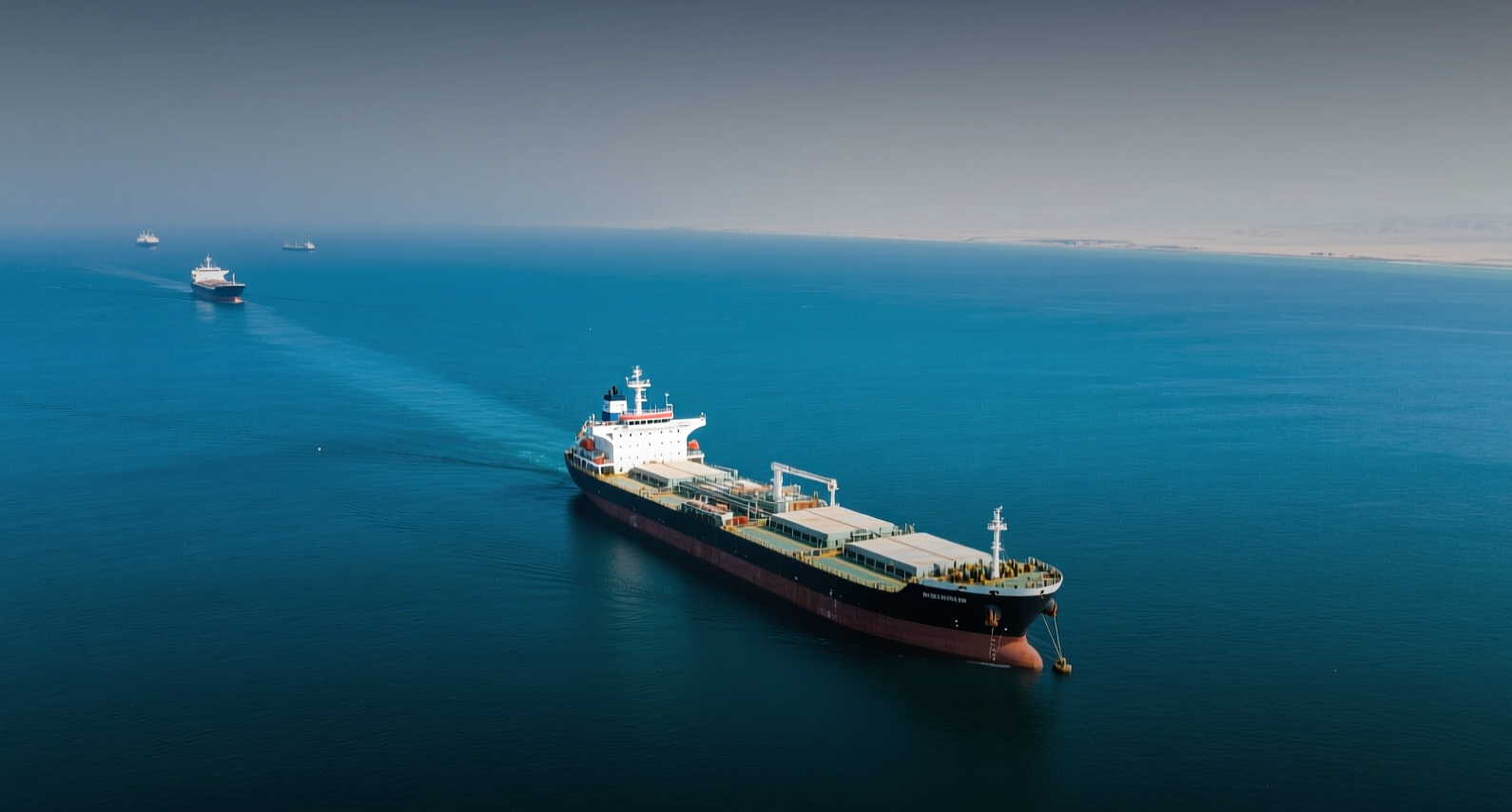
The move followed a 5.38 percent jump in Brent to $95.36 a barrel, its highest close since July 24, after Washington launched fresh air strikes on Iranian targets and Tehran fired missiles at two US air bases in Jordan, according to Reuters. President Donald Trump threatened further strikes, warning the six-month-old conflict could disrupt shipments through the Strait of Hormuz, a route for roughly a fifth of global oil.
S&P 500 futures slipped 23 points, or 0.29 percent, and Dow futures fell 103 points, or 0.17 percent. The 10-year Treasury yield approached 4.8 percent, lifting the discount rate applied to future earnings, while West Texas Intermediate gained 5.95 percent to $90.86 a barrel, its strongest since July 23.
Higher crude threatens to feed into consumer prices and keep the Federal Reserve from cutting rates, a scenario that has pushed long-dated yields higher and now weighs on the artificial-intelligence trade that powered much of this year's equity gains. Traders will watch the cash open to gauge how far the tech-heavy Nasdaq extends its slide, with growth names most exposed to a rising discount rate.
The pre-market pressure on growth stocks reflects a two-front squeeze: oil-driven inflation expectations lifting the 10-year yield toward 4.8 percent, and fresh doubts over AI valuations after a months-long run that carried the S&P 500 to records. Higher Treasury yields make the distant cash flows of high-multiple technology companies less attractive, a dynamic that has repeatedly triggered tech-led pullbacks this year.
The AI complex, the primary driver of index gains, faces the steepest downside in this setup. Nasdaq 100 futures fell more than twice as much as S&P 500 futures, a gap that shows how concentrated risk sits in megacap technology names whose valuations depend on earnings growth years out.
Washington's strikes on Iran's Larak Island targeted launchers that had been firing mines into the Strait of Hormuz, the Pentagon said, while Tehran's overnight missile barrage at two US air bases in Jordan marked the first direct exchange between the two countries in a month. Trump said US air defenses intercepted all Iranian missiles capable of causing damage and claimed new economic sanctions were taking effect.
For investors, the oil spike reopens a question that had faded through the summer: whether energy costs force the Fed to hold rates higher for longer. Each $10 move in crude adds roughly 0.4 percentage point to US headline inflation within a year, a lag that keeps the 10-year yield elevated even if spot prices ease. With the next Fed decision weeks away, the path of Brent and the 10-year yield will likely set the tone for equity positioning into the close.
This article is for informational purposes only and does not constitute investment advice.
