
Key Takeaways: Nasdaq futures led U.S. equity indexes lower as the collapse of U.S.-Canada trade talks and a wave of Asian tech equity issuance rattled global markets.
Key Takeaways: Nasdaq futures led U.S. equity indexes lower as the collapse of U.S.-Canada trade talks and a wave of Asian tech equity issuance rattled global markets.
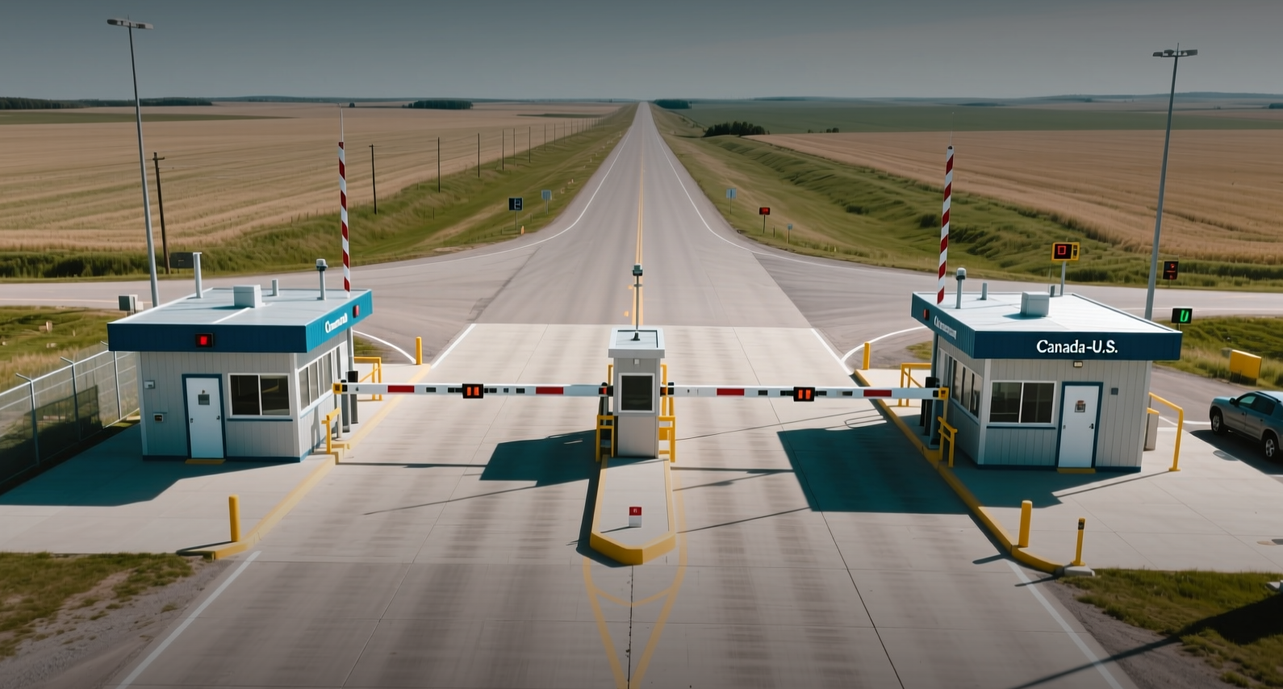
Nasdaq futures fell 0.6 percent in early European trading Monday as the U.S.-Canada trade war escalated and Asian tech equity issuance raised dilution concerns.
"Last week it was all about U.S. Treasurys and Bessent's announcement on increased long-end buyback, prompting a mid-week rally," said Jesper Fjarstedt, strategist at Danske Bank. "But as markets digested this and concluded that the structural drivers remain the same, the initial move was reversed and long-dated yields closed the week broadly unchanged."
S&P 500 futures dropped 0.2 percent, while Dow Jones Industrial Average futures were flat. Chip stocks dragged, with Sandisk and Marvell Technology falling 5 percent and 4 percent premarket, respectively.
The escalation comes as Treasury Secretary Scott Bessent prepares to detail planned U.S. economic sanctions on Iran later Monday, while investors brace for Nvidia earnings and U.S. inflation data Wednesday ahead of Fed Chair Kevin Warsh's Jackson Hole appearance Friday.
Alibaba plans to raise $10.2 billion for AI investment via a share placement, while Chinese memory chipmaker YMTC is on track for a $4.9 billion Shanghai IPO. Tokyo-listed SoftBank said it would issue a record volume of retail bonds to continue its own AI push. The fundraising prompted a sharp decline in tech stocks across Asia, dragging the Nikkei down 0.5 percent, while Hong Kong's Hang Seng slipped 1.9 percent. South Korea's Kospi fell 3.1 percent as Samsung Electronics shares slumped close to 9 percent after its shareholder return plans disappointed.
European stock indexes were largely lower at the open. AI-related shares underperformed the broader market, with the Stoxx 600 slipping 0.15 percent. Amsterdam's semiconductor-heavy AEX fell 0.2 percent, with ASML dropping 1 percent and BE Semiconductor losing 1.1 percent. In Paris, the CAC 40 fell 0.2 percent as autos faltered, with Jeep owner Stellantis down 3 percent following the breakdown in U.S.-Canada trade negotiations. In Germany, the DAX was 0.2 percent lower, weighed down by Siemens Energy falling 1.4 percent and Volkswagen slipping 1.4 percent. London's FTSE 100 was flat as gains for miners and real estate companies countered a slip in healthcare, with AstraZeneca down 1 percent.
50% Tariffs on Canadian Goods as Talks Collapse
The U.S.-Canada trade talks broke down over the weekend, with the Trump administration imposing fresh 50 percent tariffs on Canadian dairy, cement, textiles, hockey sticks and other goods under Section 338 of the 1930 Tariff Act, circumventing the US-Mexico-Canada Agreement. Canada has threatened counter-tariffs effective Sept. 8 and pledged financial aid for businesses caught up in the dispute. Trade of goods between the two nations totals around $2 billion per day, or nearly $715 billion annually, with deeply intertwined supply chains hanging in the balance.
"We are masters in our own home... You're at war when you get attacked. We got attacked. That's fine. We've got the reserves. We've got the resilience. We've got the plan," Prime Minister Mark Carney said at a press conference in Ottawa.
Gold Tops $4,700 as Oil Falls on Iran Sanctions
Oil prices fell more than 1.5 percent as investors await details on expected U.S. sanctions on Iran. Brent crude was down 1.7 percent to $91.01 a barrel, while WTI futures slid 2.1 percent to $85.20 a barrel. Both benchmarks closed last week more than 6 percent higher as talks to reopen the Strait of Hormuz hit a stalemate.
The dollar edged higher, with the DXY index rising 0.1 percent to 98.871, having reached a three-month low of 98.557 Thursday. "The dollar's reaction is likely to depend on the scope and severity of the sanctions," said Volkmar Baur, FX analyst at Commerzbank.
U.S. Treasury yields declined in Asian trade but remain at elevated levels. The 10-year yield fell 2.2 basis points to 4.714 percent, while the 30-year yield, which hit a 19-year high of 5.337 percent last week, declined 2.7 basis points to 5.248 percent.
Gold climbed above $4,700 a troy ounce, with New York gold futures rising 0.4 percent to $4,700.50 an ounce, their highest since mid-May. "The Treasury's surprise ramp-up in buybacks of long-dated government debt revived concerns about a weaker dollar and pushed investors toward alternatives," analysts at Saxo Bank said. Silver was down 0.8 percent to $69.01 an ounce, while platinum rose 0.6 percent to $1,906.50 an ounce.
Bitcoin rose 0.1 percent to $77,472, staying below Friday's three-month high of $79,455. The recent rally is helped by improving liquidity expectations, lower regulatory risk premium and forced short-covering, said Naeem Aslam, chief market analyst at Zaye Capital Markets.
This article is for informational purposes only and does not constitute investment advice.
