

Key Takeaways: Micron Technology's 200% surge in 2026 reflects an AI-driven memory boom now intersecting with blockchain-based stock trading on Ethereum and Solana.
Key Takeaways: Micron Technology's 200% surge in 2026 reflects an AI-driven memory boom now intersecting with blockchain-based stock trading on Ethereum and Solana.
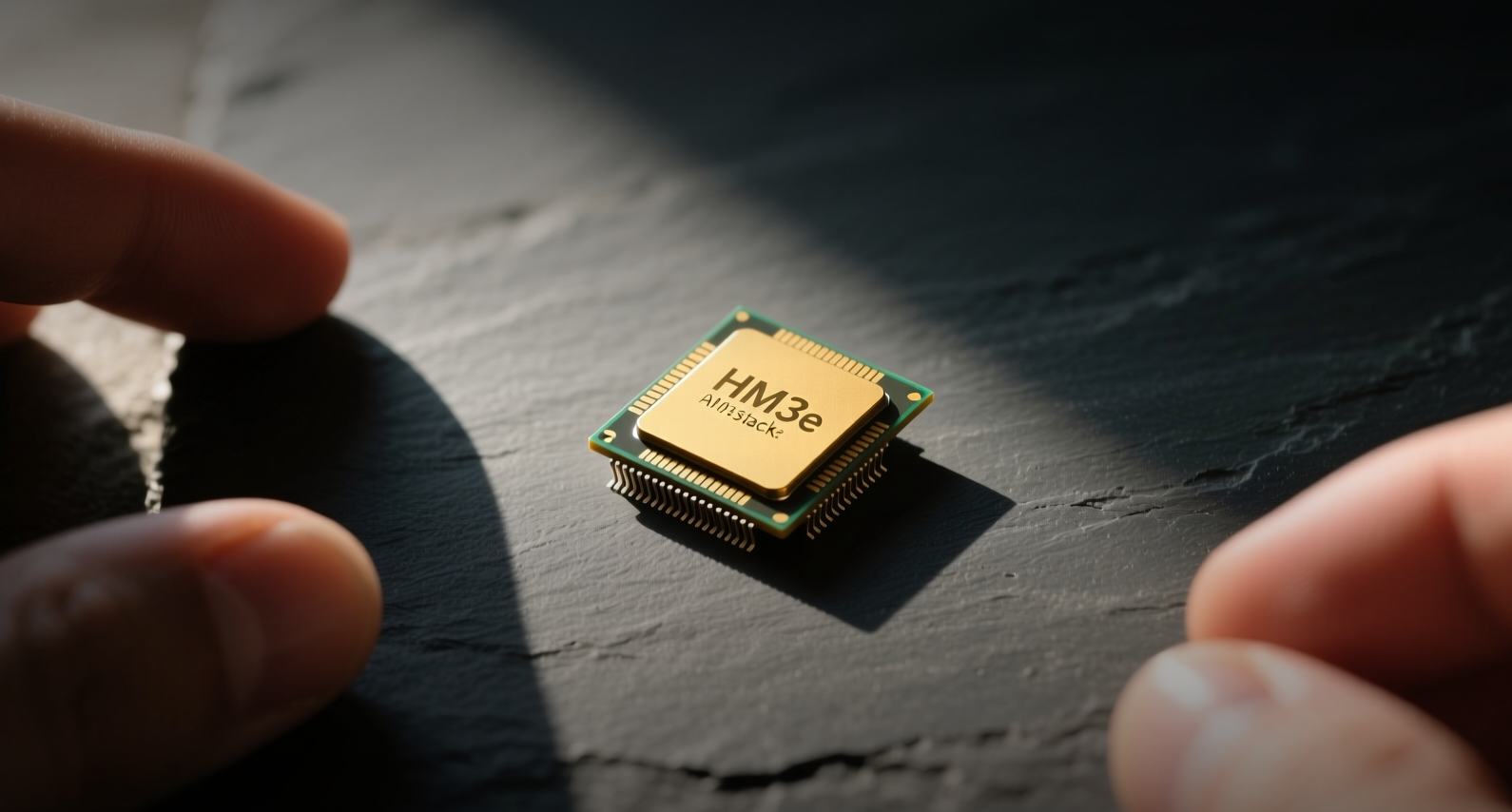
Micron Technology's 200% surge in 2026 reflects an AI-driven memory boom now intersecting with blockchain-based stock trading on Ethereum and Solana.
Micron Technology's 200% rally in 2026 has been fueled by AI memory demand that pushed quarterly revenue past $41 billion, while the emergence of tokenized Micron shares on Ethereum and Solana is opening new retail access channels.
"The memory market has structurally changed — 16 long-term supply agreements worth over $100 billion give us visibility we've never had before," Micron Chief Executive Sanjay Mehrotra said during the company's fiscal third-quarter earnings call.
Revenue surged 346% year over year to $41.5 billion in the quarter ended May, with adjusted EPS of $25.11 topping consensus estimates of $20.20. Gross margin hit a record 84.9%. Management guided fiscal fourth-quarter revenue to $50 billion, roughly $6.5 billion above Wall Street forecasts.
The stock now trades at roughly 7 times estimated fiscal 2027 earnings, a discount that has drawn analyst price targets as high as $2,200 from Melius Research. But the tokenized trading angle — Micron shares wrapped on Ethereum and Solana — introduces new liquidity dynamics that could amplify both upside and downside moves.
Supply Agreements Reshape the Memory Cycle
Micron disclosed 14 of its 16 supply agreements are expected to generate at least $100 billion in revenue at minimum contract prices over their three-year terms. Each contract includes quarterly price renegotiation clauses, giving the company pricing flexibility absent in previous memory cycles. This structure has led analysts at Barclays and Cantor Fitzgerald to raise their price targets to $2,000, with both firms citing the contracts as evidence of a more durable upcycle.
The supply agreements come as the three largest memory makers — Samsung, SK Hynix, and Micron — collectively deploy roughly $130 billion in capital spending this year. Samsung alone is committing about $73 billion to capex and research, while SK Hynix raised $29 billion through a U.S. listing to fund new fabrication facilities. Micron raised its fiscal 2026 capex forecast to $27 billion and expects even higher spending in fiscal 2027.
Tokenized Trading Adds a New Demand Layer
The tokenization of Micron shares on Ethereum and Solana represents a parallel channel for retail participation. Wrapped equity tokens allow investors to gain exposure to Micron without traditional brokerage accounts, using decentralized exchanges instead. While the volume of tokenized Micron shares remains small relative to the $1.1 trillion market capitalization, the mechanism could increase price discovery efficiency and broaden the shareholder base.
Wall Street remains broadly bullish. Of 41 analysts covering Micron, 32 rate it a Strong Buy, with an average price target of $1,421.94 — implying roughly 55 percent upside from current levels. Analysts project fiscal 2026 EPS of $73.32 and fiscal 2027 EPS of $149.64, which would represent year-over-year growth of 784 percent and 104 percent, respectively.
The Risk: Peak Earnings and Supply Glut
The bear case centers on whether today's record margins can persist. Memory stocks have historically traded on peak earnings, with new supply eventually eroding pricing power. Micron's stock has already fallen nearly 20 percent from its all-time high during a broad selloff in AI-related names including Nvidia. If the $130 billion in industry-wide capital spending produces excess capacity, the pricing leverage that drove gross margins to 85 percent could reverse sharply.
For investors, the question is whether Micron's long-term contracts have genuinely broken the memory cycle or merely extended it. At 7 times forward earnings, the market is pricing in some normalization. A full re-rating would require evidence that the supply-demand balance can hold beyond 2027.
This article is for informational purposes only and does not constitute investment advice.
