
LG and NVIDIA signed a pact to build a bipedal humanoid, an 80-megawatt AI factory, and autonomous-driving platforms.
LG and NVIDIA signed a pact to build a bipedal humanoid, an 80-megawatt AI factory, and autonomous-driving platforms.
LG and NVIDIA signed a pact to build a bipedal humanoid, an 80-megawatt AI factory, and autonomous-driving platforms.
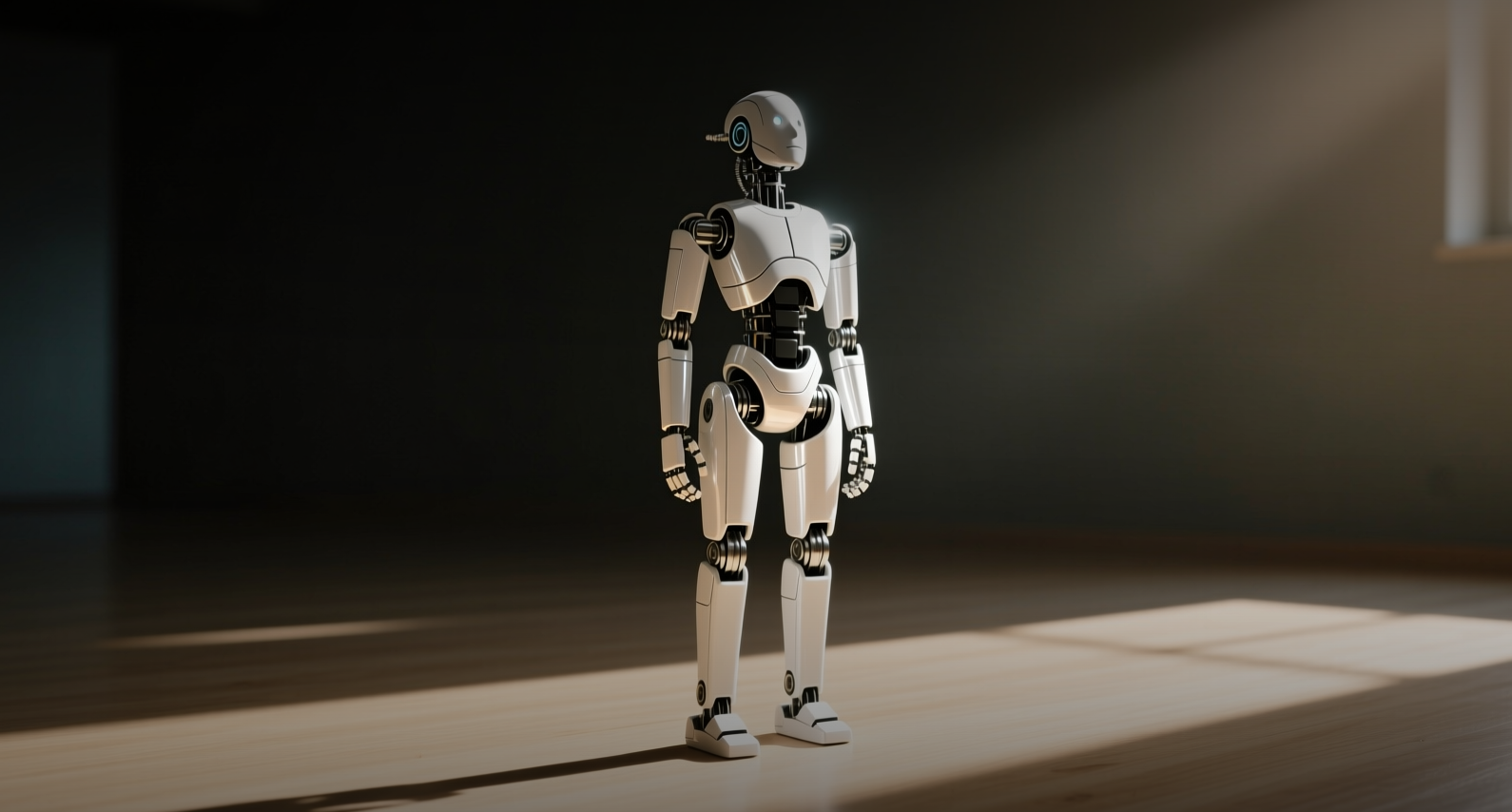
LG Group will unveil a bipedal humanoid robot powered by NVIDIA's Jetson Thor chip in the first quarter of 2027, converting a partnership that began with high-level talks in Seoul in June into a physical-AI alliance spanning robotics, AI factories, and autonomous driving.
"As our collaboration accelerates, the areas where we can work together in AI factories, physical AI and mobility have become clear," Koo Kwang-mo, chairman and CEO of LG Group, said after signing the memorandum of understanding Aug. 13 at NVIDIA's headquarters in Santa Clara, California.
The robot, built on NVIDIA's open-source Isaac GR00T foundation model and protected by the Halos for Robotics safety system, will draw actuators from LG Electronics, multi-sensor modules from LG Innotek, curved OLED panels from LG Display, and high-capacity batteries from LG Energy Solution. LG Electronics has started initial production of actuators at a pilot line in Changwon, South Gyeongsang Province, while LG Display's plastic OLED panels are designed to run in temperatures from minus 30 to 85 degrees Celsius.
The pact gives NVIDIA a route into physical AI beyond its data-center business while LG converts its $140 billion-a-year conglomerate into a robotics and AI-infrastructure supplier. LG Electronics shares rose 2.2 percent to 210,000 won ($419) on Friday.
Before the humanoid arrives, LG plans to deploy its wheeled CLOiD robot on a washing-machine production line at its Tennessee plant by the end of this year for proof-of-concept testing, working with NVIDIA's technical team. The two companies will also build a robot data factory on LG CNS's PhysicalWorks platform, cycling data collection, generation, training, and validation at real sites to feed LG's in-house robot foundation model.
In infrastructure, LG will build a reference AI factory in the first half of 2027 using NVIDIA's Vera Rubin platform and DSX architecture, then expand to an 80-megawatt facility in Cheonan, South Chungcheong Province, in the first half of 2028. The Cheonan site will use prefabricated modular construction to cut build time by more than 20 percent, combining cooling from LG Electronics, batteries from LG Energy Solution, and design and operations from LG CNS and LG Uplus.
In mobility, the companies will develop a high-performance computing platform for AI-defined vehicles on NVIDIA's Drive Hyperion architecture, pushing LG's automotive business beyond infotainment into autonomous driving.
The partnership pits LG against Tesla, Figure AI, and Boston Dynamics in humanoids while positioning NVIDIA's Jetson Thor in a robot-computing market that also includes Qualcomm and Intel. LG, which operates in more than 60 countries, established a CEO-led Robotics Business Center in June and runs hundreds of CLOiD units at a robot data factory in Seoul.
For investors, the deal ties LG's robotics and AI-infrastructure ambitions to NVIDIA's hardware roadmap, giving LG Display, LG Innotek, and LG Energy Solution a direct stake in humanoid supply chains. NVIDIA, trading at a premium to the broader chip sector, gains a manufacturing partner that can validate its robot stack at scale before rivals such as Tesla's Optimus reach volume production.
This article is for informational purposes only and does not constitute investment advice.
