
South Korea's KOSPI crashed 9% Monday, triggering its seventh circuit breaker, as leveraged ETF deleveraging turned a geopolitical selloff into a $2.6 billion liquidation.
South Korea's KOSPI crashed 9% Monday, triggering its seventh circuit breaker, as leveraged ETF deleveraging turned a geopolitical selloff into a $2.6 billion liquidation.
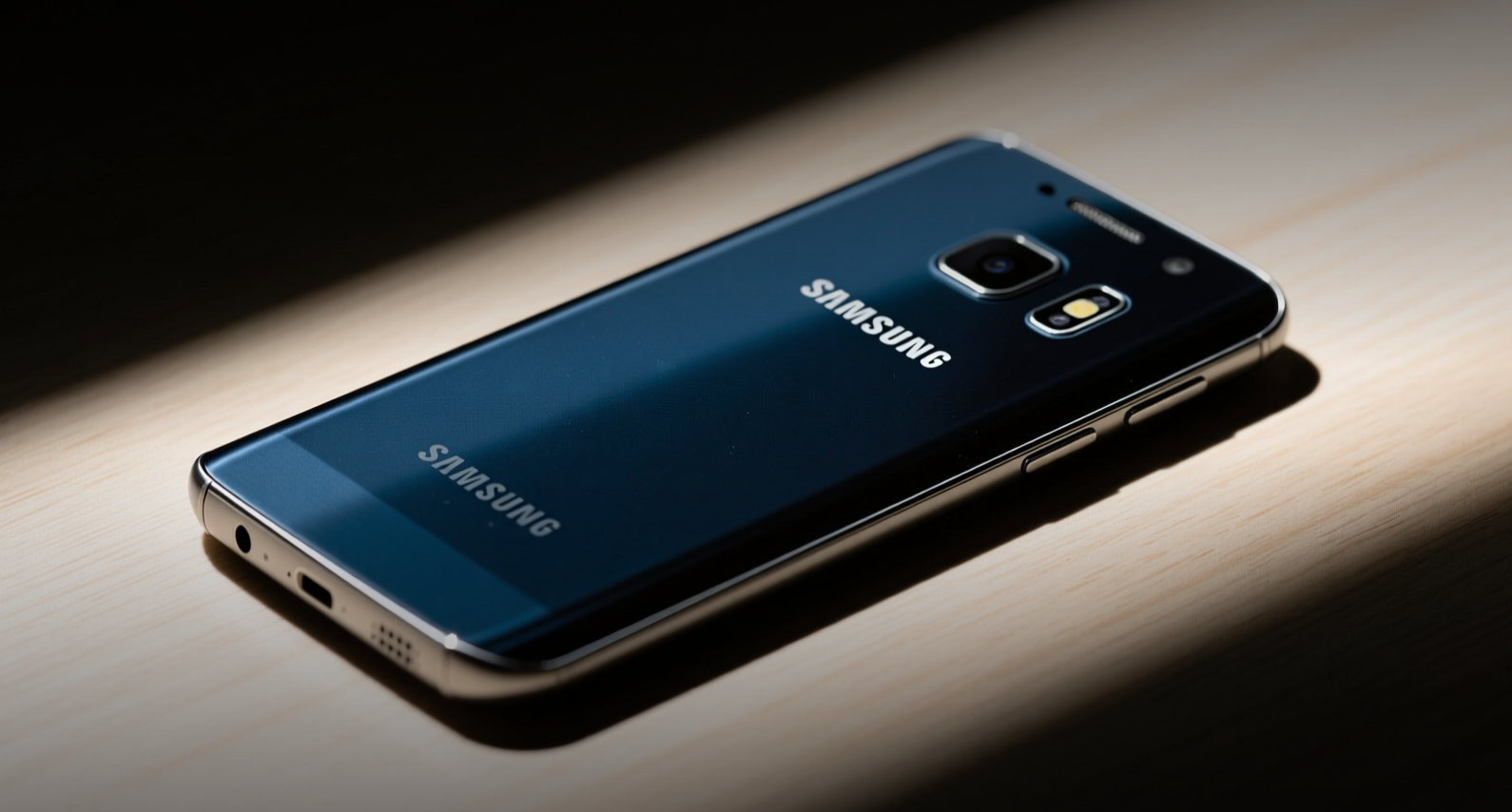
The KOSPI plunged 9% to close near 6,800, triggering a circuit breaker, after Middle East tensions and leveraged ETF deleveraging sparked a $2.6 billion selloff.
"Today's selloff is a positioning-driven liquidation, not a structural top," said Chris Cha, head of Goldman Sachs' Korea trading desk. "The semiconductor sector has seen no negative fundamental catalysts or earnings downgrades."
Foreign and domestic institutions net sold $11.3 billion and $15 billion respectively, with programmatic trading accounting for $11.8 billion of foreign outflows. The KOSPI touched a session low of 6,635 before buyers stepped in. The broader Topix slipped just 0.2% as banks rallied, with Mitsubishi UFJ gaining 2.3%, in a pattern that pointed to sector rotation rather than a market-wide collapse.
The 6,800 level corresponds to the 52-week Fibonacci support. A break below opens the path to 6,500 — the 38.2% retracement on a three-year basis — representing an additional 4.5% downside. The 14-day RSI has fallen to 37.2, approaching oversold territory.
Leveraged ETFs Become the Shock Absorber That Broke
The primary amplifier was a new class of single-stock leveraged ETFs. The 2x semiconductor products fell more than 30% in a single session, triggering gamma hedging rebalancing that accounted for 62% of domestic institutional net selling, according to Goldman's analysis. The forced deleveraging created a self-reinforcing downward spiral as market makers hedged their growing delta exposure.
Korea Financial Supervisory Service Governor Lee Jin-han met with chief executives from 20 major asset management firms Monday to discuss systemic risks and "overheated" marketing of these products. Goldman expects regulators to focus on raising investor qualification thresholds rather than banning the products outright.
Tech Giants Bear the Brunt as Oil Adds Pressure
SK Hynix fell 15.4%, and Samsung Electronics dropped 10.7%, together dragging the index lower. The selloff spread to Tokyo's AI-linked names, with Kioxia collapsing 12.9%, Murata falling 8.1%, and Renesas losing 6.2%. Yaskawa Electric sank 14.3% after weak first-quarter earnings. The Nikkei 225 closed 1.92% lower at 67,242.
Oil added a second layer of pressure. Crude jumped 4% after Iran moved to re-blockade the Strait of Hormuz and exchanged strikes with US forces, raising energy cost concerns for Japanese manufacturers. "The market was concerned about increasing costs due to the rise in oil prices, and this came as the earnings season for Japanese firms kicked off," said Daisuke Hashizume, senior analyst at Daiwa Securities.
Despite the panic, Goldman's sales team reported that institutional clients met during last week's Singapore roadshow viewed the pullback as offering attractive risk-reward, with some beginning to rebuild storage chip exposure. The bull case rests on structural equipment shortages expected to delay capacity expansion until the second half of 2028. Foreign investors have net sold $715 billion over the past three months, with 88% concentrated in technology, meaning global positioning is already significantly reduced. Near-term headwinds persist — foreign mechanical liquidation shows no sign of abating, and domestic institutions face funding constraints from the National Pension Service's ongoing portfolio rebalancing — but Goldman advises using the volatility to accumulate high-conviction semiconductor names at discounted valuations.
This article is for informational purposes only and does not constitute investment advice.
