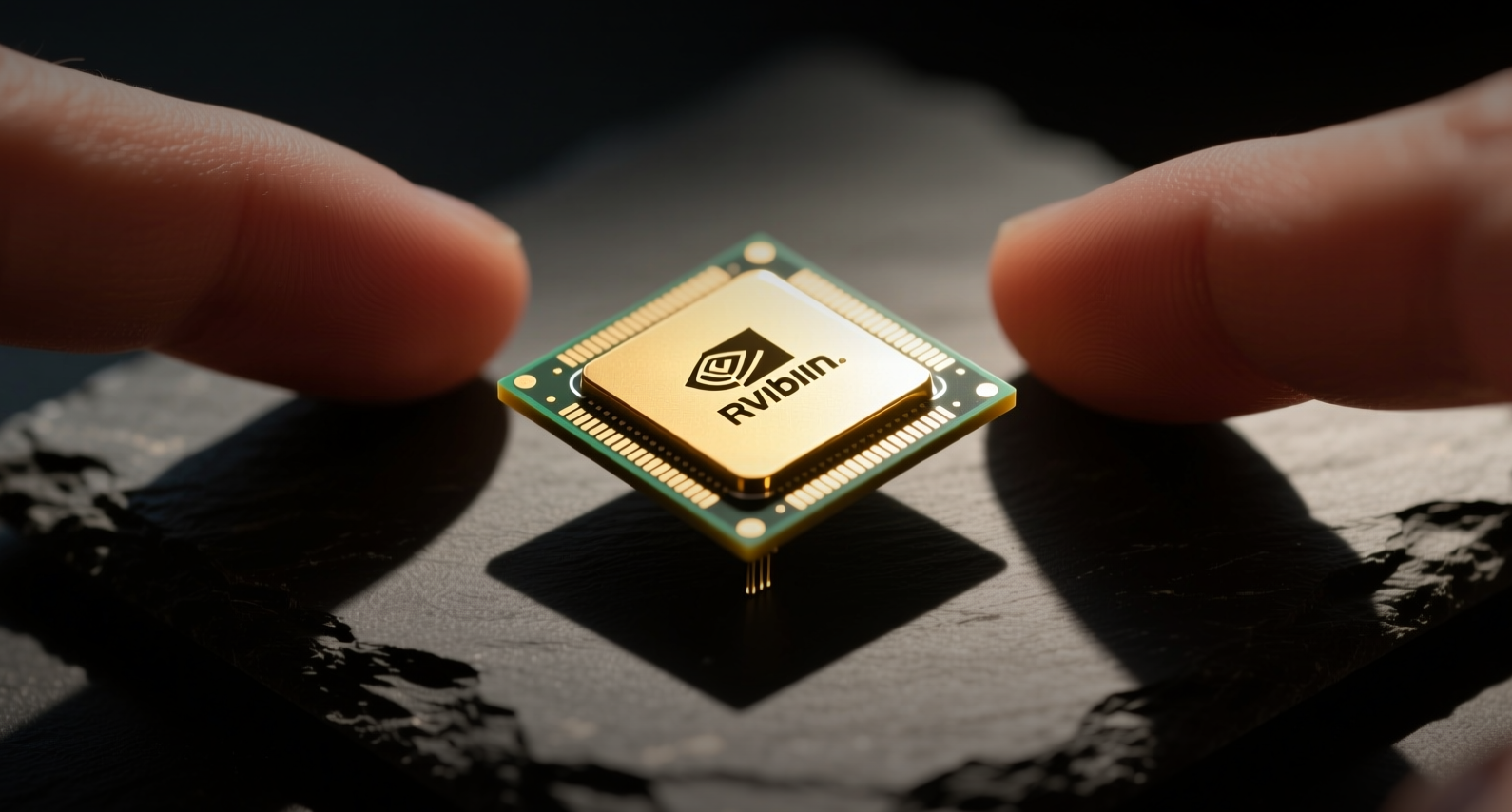
Japan is building the world's first national AI infrastructure, powered by 27,500 of Nvidia's latest Rubin GPUs in a 140-megawatt data center.
Japan's Ministry of Economy, Trade and Industry partnered with Nvidia Corp. and Noetra Corp. to build the world's first national AI infrastructure, a 140-megawatt data center powered by 27,500 Rubin GPUs and 13,750 Vera CPUs.
"This infrastructure will serve as the computing foundation for Japan's FRONTia Project, strengthening the country's ecosystem across manufacturing, logistics and health care," a METI official said.
The facility, built on Nvidia's DSX platform, will deliver 140 MW of capacity — enough to power roughly 115,000 homes. Noetra Corp will serve as the construction partner. The deployment marks the first commercial use of Nvidia's Vera Rubin architecture, which the company unveiled as its next-generation AI computing platform.
The deal confirms Nvidia's strategy of selling complete AI factory solutions rather than individual chips, a model that pressures rivals Advanced Micro Devices Inc. and Intel Corp. to match the integrated approach. For Japan, the investment positions the country as a sovereign AI leader at a time when nations are racing to secure domestic computing infrastructure.
Vera Rubin Marks Nvidia's Next Architecture Leap
The Vera Rubin platform represents Nvidia's successor to the Blackwell architecture. Each Rubin GPU is designed for training and inference of large language models, while the Vera CPU handles data processing and orchestration. Nvidia has not disclosed per-chip pricing, but the 27,500-GPU deployment implies a multi-billion-dollar procurement for Noetra and its backers.
The 140 MW capacity places the facility among the largest single-site AI data centers globally. By comparison, typical hyperscaler data centers range from 30 MW to 100 MW, according to industry data from Synergy Research Group. The scale highlights Japan's ambition to compete with the U.S. and China in AI infrastructure buildout.
Japan's Broader AI Push Extends Beyond One Facility
The FRONTia Project is part of a wider Japanese government effort to integrate AI across its industrial base. Earlier this week, Fujitsu Ltd. announced it would lead a consortium of Japanese robotics companies using Nvidia technology to develop "physical AI" for manufacturing and logistics applications.
The twin announcements — a national AI factory and a robotics-AI push — signal that Japan is pursuing a two-track strategy: building centralized compute capacity while embedding AI into its traditional manufacturing strength. Toyota Motor Corp. has also expanded its AI partnership with Nvidia for smart city and factory applications, according to a Bloomberg report.
Investment Implications
Nvidia shares, trading at roughly 35 times forward earnings, have gained more than 140 percent over the past 12 months on the back of surging AI infrastructure spending. The Japan deal adds a new sovereign demand driver beyond the hyperscaler customers — Amazon Web Services, Microsoft Corp. and Alphabet Inc.'s Google — that have driven the bulk of Nvidia's data center revenue.
For AMD and Intel, the integrated factory model raises the competitive bar. Both companies sell individual chips and networking components but lack Nvidia's full-stack DSX platform that ties hardware, software and networking into a single deployment. If sovereign AI demand accelerates, Nvidia's first-mover advantage in turnkey infrastructure could widen further.
This article is for informational purposes only and does not constitute investment advice.