
Key Takeaways: Iran's first vice president says the country can no longer import gasoline under the US maritime blockade, leaving a daily shortfall of up to 15 million liters.
Key Takeaways: Iran's first vice president says the country can no longer import gasoline under the US maritime blockade, leaving a daily shortfall of up to 15 million liters.
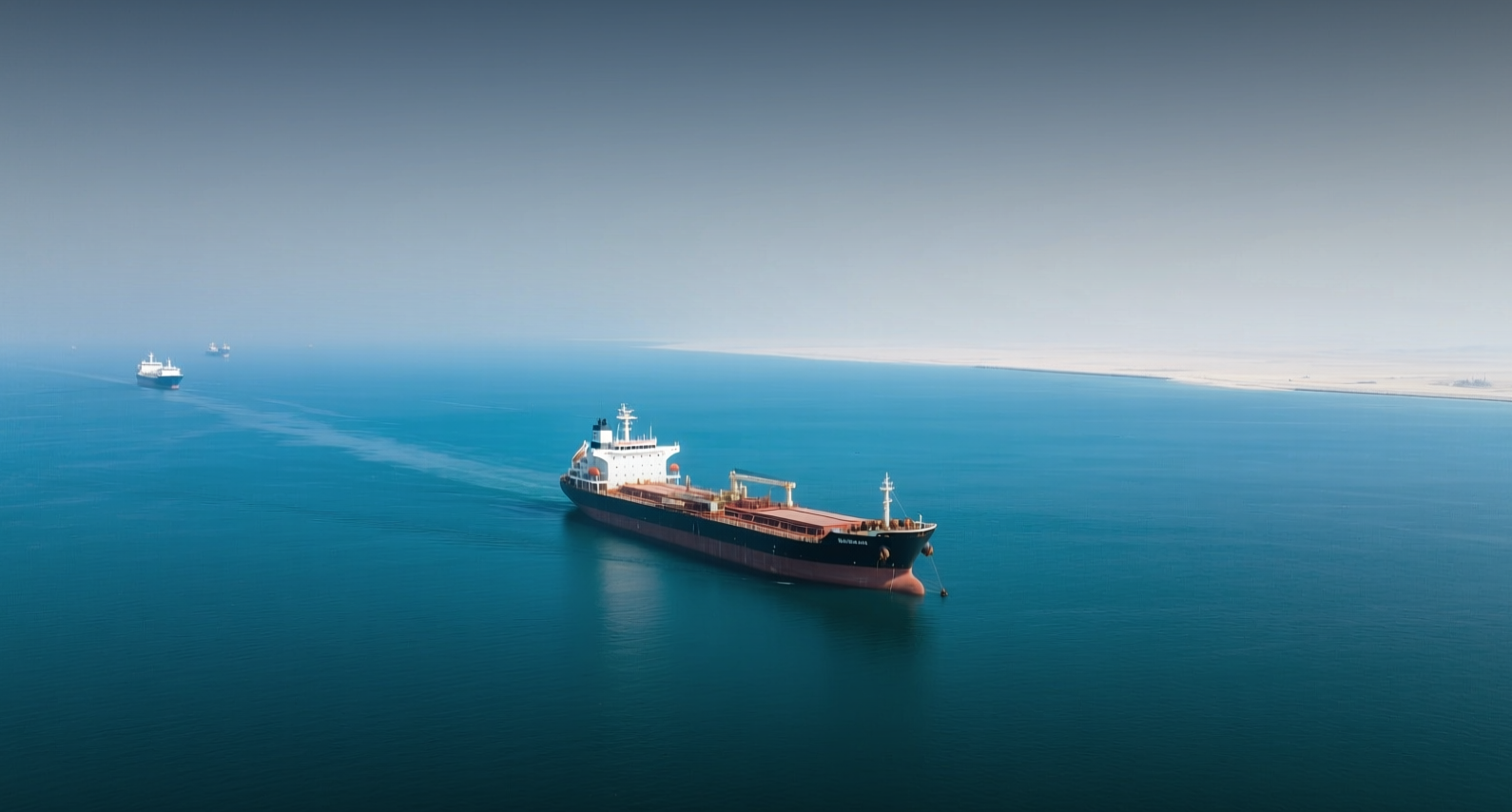
Iran's first vice president warned Tuesday that the country's fuel situation is unsustainable after the US maritime blockade halted gasoline imports, leaving a daily shortfall of up to 15 million liters.
"Continuing like this won't work," Mohammad Jafar Ghaempanah, Iran's first vice president, said. "Domestic gasoline production is insufficient, and under the US maritime blockade we cannot import gasoline."
The warning shows the pressure on Tehran's fuel supply as Washington tightens enforcement of sanctions on Iranian energy. Iranian lawmaker Reza Sepahvand separately said gasoline imports have effectively stopped, removing a channel Tehran previously used to bridge the gap between domestic output and demand. Ghaempanah called for using military force to implement the Iran-US memorandum of understanding, and said Iran and Oman reached a joint statement under Iran's Supreme National Security Council requiring ships to use designated routes and avoid crossing Oman's southern maritime boundary.
The Strait of Hormuz handles about 21 percent of global oil trade, so any escalation over shipping lanes threatens to add a geopolitical risk premium to crude prices. If the blockade persists and Iran cannot secure alternative fuel supplies, the shortfall could force rationing or deepen reliance on domestic refining capacity, with knock-on effects for regional fuel markets.
The maritime blockade is the latest escalation in US pressure on Iran's energy sector, which has operated under sanctions since Washington reimposed them. Iran's domestic refining capacity has struggled to keep pace with consumption, and the country has historically relied on imports to cover the gap. With those imports now cut off, the shortfall has widened to as much as 15 million liters a day, according to Iranian officials.
Ghaempanah's call to use military force to implement the Iran-US memorandum of understanding points to a hardening stance in Tehran. The joint statement with Oman, reached under Iran's Supreme National Security Council, directs ships to use designated routes and avoid crossing Oman's southern maritime boundary — a move that appears aimed at keeping tanker traffic within agreed lanes as the blockade tightens. The agreement suggests regional coordination is underway to manage the fallout, even as Tehran weighs more forceful responses.
The dispute centers on one of the world's most critical energy chokepoints. The Strait of Hormuz carries about 21 percent of global oil trade, and any disruption to shipping there has historically translated into higher crude prices. The Iran-Oman agreement on designated shipping lanes is an attempt to keep traffic flowing, but the risk of miscalculation remains elevated as Tehran weighs military options. The last time the chokepoint faced a sustained threat to shipping, insurers raised war-risk premiums on tanker transits within weeks, a pattern traders will watch closely this time.
For markets, the key question is whether the blockade escalates into a broader confrontation. If Iran responds with force or restricts tanker movements, crude benchmarks could price in a larger risk premium. If the two sides reach a workable arrangement on shipping lanes, the premium may stay contained. Beyond crude, the standoff could ripple through refined product markets: Gulf neighbors that rely on the same lanes face higher freight and insurance costs if tanker traffic is disrupted, and regional fuel prices could climb as traders price in the risk of a prolonged blockade. The next signal will come from how Iran and the US handle the memorandum of understanding in the coming weeks.
This article is for informational purposes only and does not constitute investment advice.
