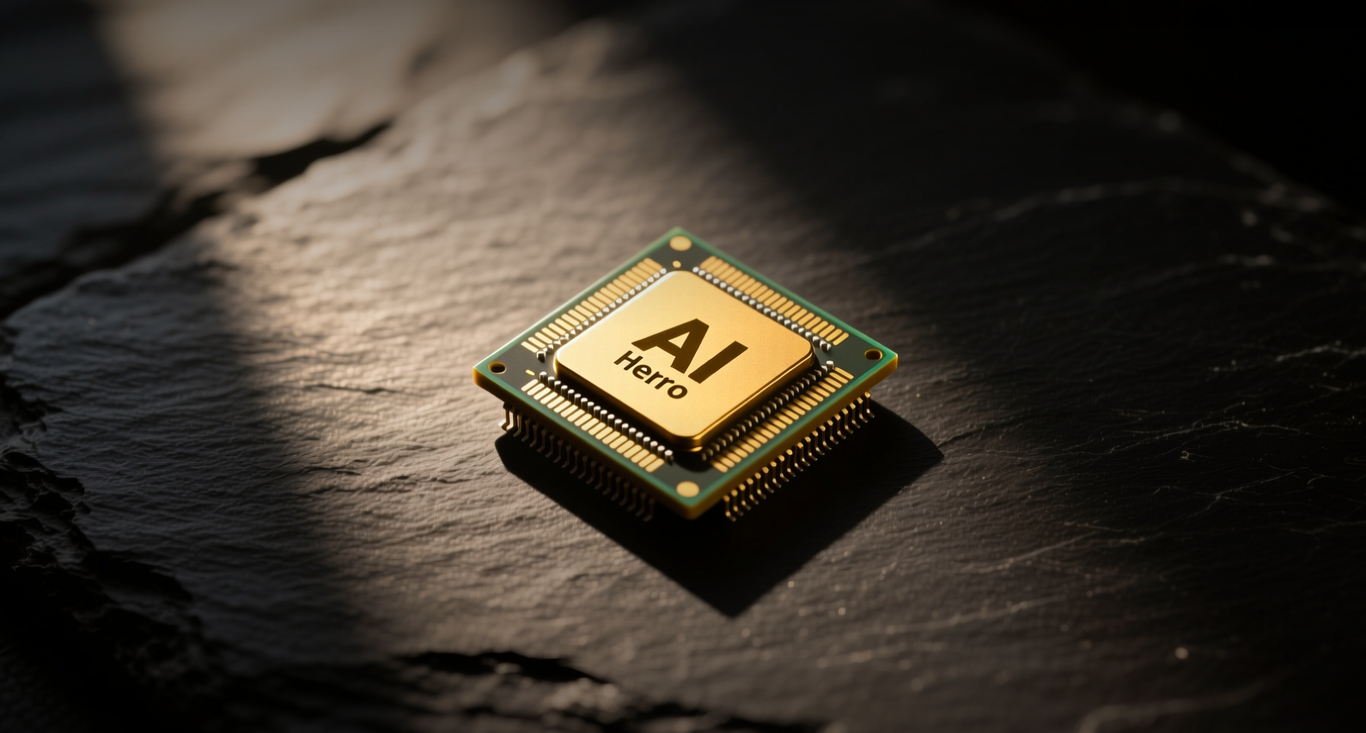
The $1.3 trillion wipeout in semiconductor stocks has erased months of AI-driven gains, raising questions about the sustainability of infrastructure spending.
A $1.3 trillion selloff in semiconductor stocks has punished Intel and AMD, with shares falling 21% and 8% respectively, as doubts about AI infrastructure returns and stretched valuations trigger the sector's worst rout since 2022.
"The market is repricing the probability that hyperscaler capital expenditure growth is unsustainable at current levels," said Dan Ives, analyst at Wedbush Securities. "This is the third inning, one out — not the end of the game."
The Philadelphia Semiconductor Index dropped 10.8%, while the VanEck Semiconductor ETF fell 13% over ten sessions. Micron lost 22% and Samsung declined 7%, even after reporting a record 1,810% surge in second-quarter operating profit to about $58.4 billion. Hedge funds have been betting against chip stocks for four consecutive weeks, according to Reuters.
The selloff centers on fear that hyperscalers' 67% jump in AI capital expenditures to $650 billion may not generate sufficient returns. Meta Platforms is already renting out excess AI computing capacity, and enterprise customers are pushing AI chatbot providers to cut prices. TSMC reports earnings July 16 and Intel follows July 23 — both must exceed elevated expectations to reverse the downturn.
What's Driving the Panic
The root cause is not a collapse in demand but a collision of three forces: valuation excess, Fed hawkishness, and the first cracks in the AI spending narrative. Bank of America's Bubble Risk Indicator hit 0.91, exceeding the Nasdaq 100's dot-com-era peak of 0.69. A Kevin Warsh-led Federal Reserve signaling rate hikes has compounded the pressure on high-multiple tech names.
Samsung's record quarterly profit of $58.4 billion failed to impress because revenue fell short of consensus. "Expectations are up, and fundamentals are struggling to meet these high sky-high demands," said Mike Bailey, analyst at FBB Capital Partners. The pattern — blowout results met with disappointment — has become a recurring theme across the sector.
The Bull Case Hasn't Collapsed
Despite the carnage, Wall Street's 12-month price targets imply substantial upside for most chipmakers. Nvidia trades at 21.7 times forward earnings, a steep discount to its five-year average of 72 times, according to Goldman Sachs. High-bandwidth memory, a critical component for AI accelerators, is sold out through most of 2027, per industry reports.
AMD's forward price-to-earnings ratio of about 38 remains elevated relative to its history, but the company's MI450 and MI500 GPU roadmaps — with the MI500 targeting a 1,000-times AI performance increase over the MI300 by 2027 — suggest the growth narrative is intact. The company's data center CPU business has also gained relevance as agentic AI increases demand for CPU capacity alongside GPUs.
Intel faces a different challenge. Its shares trade 8% above the average analyst price target, reflecting skepticism about its foundry turnaround. The company's foundry division remains years from profitability, and its product roadmap has yet to produce a competitive AI accelerator. Intel's July 23 earnings report will need to show tangible progress in both areas to justify its current valuation.
What Happens Next
The semiconductor sector is pricing a mid-cycle reset rather than a structural top, according to Morgan Stanley. But the path to recovery depends on upcoming earnings. TSMC's July 16 report will set the tone for the group, with Citi raising its price target ahead of the print on expectations of higher 2026 revenue guidance. If TSMC and Intel both deliver beats that justify the AI spending thesis, the selloff could prove to be a buying opportunity. If they disappoint, the $1.3 trillion in erased market value may only be the beginning.
For investors, the divergence between Intel and AMD is instructive. AMD's valuation has compressed but its product cycle and AI exposure provide a clearer catalyst path. Intel's turnaround thesis requires more evidence before the stock can reclaim credibility. The next two weeks of earnings will determine which semiconductor stocks are on sale — and which are value traps.
This article is for informational purposes only and does not constitute investment advice.