

Gold and Bitcoin funds are back among the most-traded U.S. ETFs as the debasement trade — a bet on hard assets against dollar weakness — displaces the AI trade that dominated summer flows.
Gold and Bitcoin funds are back among the most-traded U.S. ETFs as the debasement trade — a bet on hard assets against dollar weakness — displaces the AI trade that dominated summer flows.
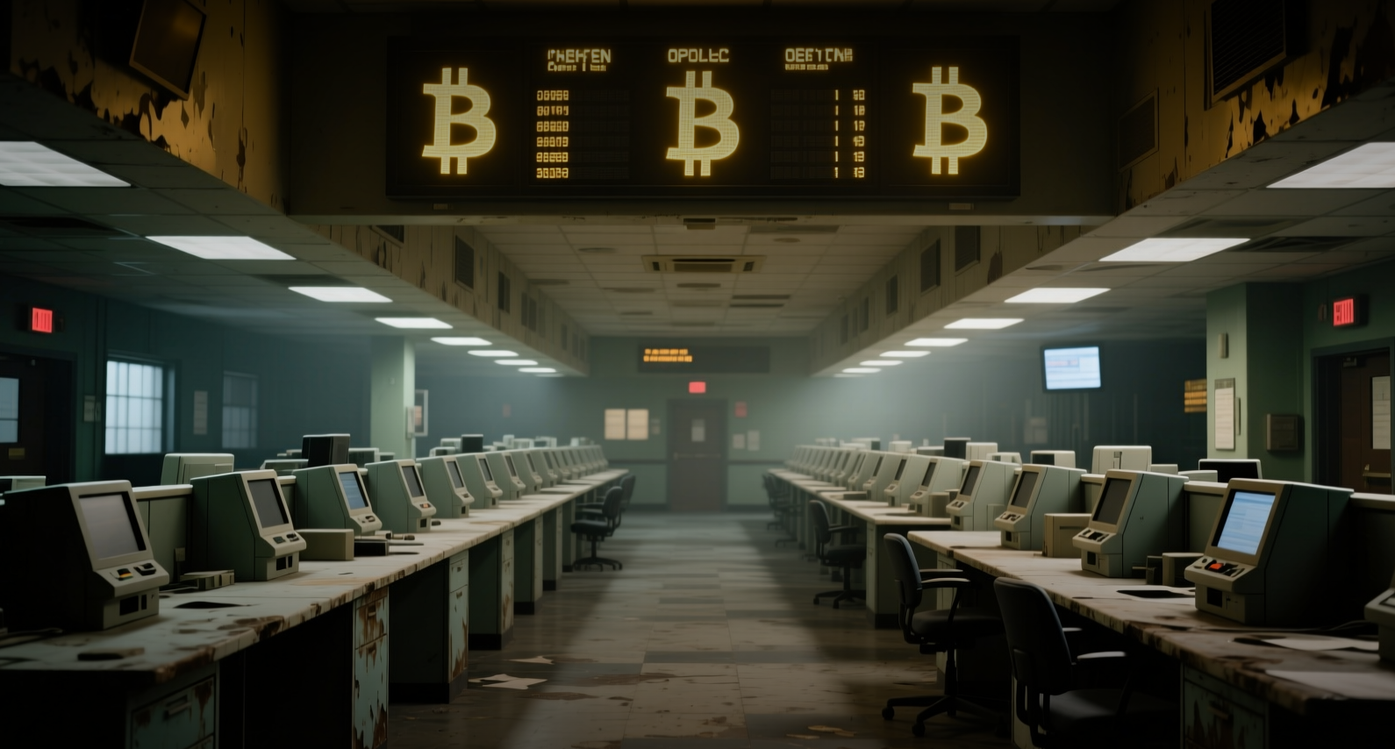
Bitcoin climbed 23% in a week, pushing iShares Bitcoin Trust (IBIT) into the top 10 most-traded U.S. ETFs as Treasury buyback plans fueled the debasement trade.
"It's yet another sign the debasement trade is beginning to replace AI mania," Eric Balchunas, senior ETF analyst at Bloomberg Intelligence, said.
SPDR Gold Shares (GLD) ranked third by value traded at $4.02 billion and IBIT seventh at $2.24 billion on Monday, according to Bloomberg terminal data. Gold futures for December delivery climbed as high as $4,716.41 per ounce, their highest since May 14, after gaining 6.7 percent since the Treasury announced plans to at least double its buybacks of longer-dated securities. The dollar fell to a three-month low against the euro on Aug. 21.
The debasement trade rests on the premise that U.S. fiscal strain — federal debt above $40 trillion and a deficit-to-GDP ratio near 6 percent — will erode the dollar's purchasing power, benefiting assets not issued by governments. Fed Chair Kevin Warsh's Jackson Hole keynote on Friday, Aug. 28, will test whether the rally survives a hawkish signal.
The Treasury's decision to double the maximum size of its bond buyback operation to at least $4 billion from $2 billion was a strong signal to investors, according to Stephen Coltman, head of macro at 21Shares. The move came as the July U.S. budget deficit hit a five-year high and the 30-year Treasury yield approached a two-decade peak. M2 money supply reached $23.16 trillion as of June 1, its highest level on record, while core PCE — the Fed's preferred inflation gauge — hit 130.266 in June, also a record. The dollar's share of global foreign exchange reserves has fallen from about 70 percent at the start of 1999 to roughly 56 percent, according to IMF data, and in 2025 gold surpassed U.S. Treasuries as a share of official reserves.
Saxo Bank commodity strategist Ole Hansen said spot gold's move back above its 200-day moving average was attracting fresh technical and momentum-driven demand. "Traders and investors will be focusing on the dollar, US Treasury yields and, not least, the upcoming Jackson Hole symposium," Hansen said.
BlackRock's IBIT helped facilitate more than $5 billion of in-kind conversions, allowing large holders to swap crypto for ETF shares without triggering an immediate capital-gains tax bill, said Robbie Mitchnick, the asset manager's head of digital asset management. BlackRock reduced the minimum transaction size to $1 million from $25 million in July. "It's going to keep growing because we keep expanding the access," Mitchnick said.
The correlation between gold and Bitcoin over the past two weeks masks a sharp divergence over longer windows. Over the trailing year, GLD is up 37 percent while IBIT is down 33 percent. Spot bitcoin is down 28 percent from $110,127.74 a year ago to $78,754.20, though it has gained 67.63 percent since IBIT's Jan. 11, 2024 inception.
Silver has also benefited, with iShares Silver Trust (SLV) adding about 15 percent over the past month, while the VanEck Gold Miners ETF (GDX) is up 35.5 percent over the same period. The Bitwise Proficio Currency Debasement ETF (BPRO), which launched in January, has amassed about $110 million in assets.
Two dated events will test the debasement thesis. Canada's dollar-for-dollar retaliatory tariffs take effect Sept. 8, and the Treasury's first buyback operation is scheduled for Sept. 9. Bitcoin was trading around $78,946 as of 09:30 UTC on Aug. 26, down nearly 2 percent in the past 24 hours, with retail sentiment on Stocktwits remaining in the "extremely bullish" zone. CME FedWatch data shows the odds of a rate hike at the September FOMC meeting stood at 38.4 percent, up from 36.1 percent a week earlier.
This article is for informational purposes only and does not constitute investment advice.
