
Defense Secretary Pete Hegseth's pick to lead the Army is stalled in the Senate, where Republicans control the Armed Services Committee by a single vote.
Defense Secretary Pete Hegseth's pick to lead the Army is stalled in the Senate, where Republicans control the Armed Services Committee by a single vote.
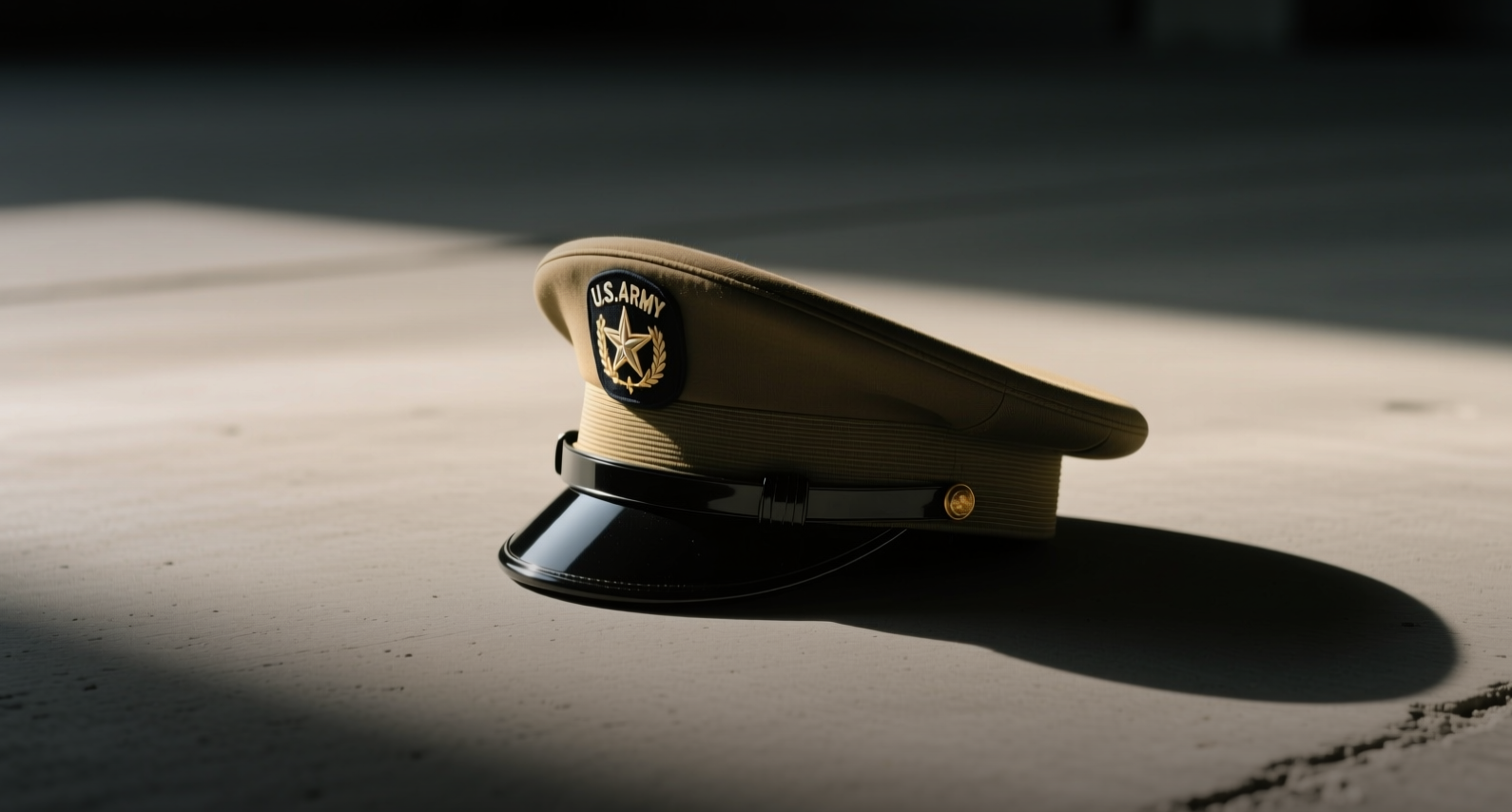
Defense Secretary Pete Hegseth's pick to lead the Army is stalled in the Senate, where Republicans control the Armed Services Committee by a single vote.
Gen. Christopher LaNeve's nomination to become Army chief of staff is in jeopardy because Iowa Sen. Joni Ernst and other Republicans object to his six months as a four-star general, according to U.S. officials and congressional sources.
"The Department will continue to work with the White House and the Senate to nominate and ultimately confirm President Trump's pick to lead the United States Army," Sean Parnell, chief Pentagon spokesman, said.
The administration was poised to formally put LaNeve forward in May but held off after committee chairman Roger Wicker, a Mississippi Republican, told the White House the votes were not there to secure approval. Republicans control the panel 14-13, so LaNeve would need unanimous GOP support to advance to a floor vote. LaNeve, who commanded the 82nd Airborne Division, has drawn criticism from lawmakers and military experts because he has held four-star rank for only about six months; previous Army chiefs typically served at least 18 months in a four-star role before taking the service's top uniformed post.
The stalled nomination is the latest sign that congressional Republicans are pushing back on Hegseth's agenda. Some Republicans have signaled they will not support the unprecedented $1.5 trillion Pentagon budget Hegseth has proposed, while others remain frustrated over the Iran war, threats to reduce troop levels in Europe and the firing of decorated generals such as Randy George, whom Hegseth dismissed in April without explanation.
A Nomination Built on a Video Call
LaNeve's rise traces to a January 2025 video call during an inaugural ball, when the square-jawed general, then commanding the Eighth Army in South Korea, greeted Trump with a scripted welcome. "Is this man central casting, or what?" Trump asked the ballroom crowd. After a recommendation from retired Lt. Gen. Keith Kellogg, Hegseth tapped LaNeve as his senior military aide in 2025, then moved him to Army vice chief after sidelining predecessor James Mingus. LaNeve was confirmed for that role in February 2026.
Ernst, a former Army National Guard commander and sexual-assault survivor, was seen in January 2025 as a potential barrier to Hegseth's own confirmation over allegations of sexual assault and drinking. She ultimately voted for him but has since announced she will not run for re-election. Officials said Ernst opposes LaNeve in part because of his short time as a four-star.
A Broader Republican Backlash
The opposition extends beyond Ernst. Senate Appropriations Committee chair Susan Collins, a Maine Republican, criticized Hegseth's firing of senior officers, including the top Army general in Europe, retired Gen. Chris Donahue. "These are men and women who volunteered to serve our country and swore an oath to support and defend our Constitution," Collins said when Hegseth testified before her panel last month.
Army Secretary Dan Driscoll, who has privately feuded with Hegseth, has publicly praised George, calling him "an amazing, transformational leader" during a hearing this spring.
Trump could simply keep LaNeve as acting chief of staff indefinitely, since there is no statutory time limit on his service in the role. He is simultaneously serving as Army vice chief, a post for which the Senate confirmed him. The standoff leaves the Army's top uniformed job in limbo as the Pentagon presses its $1.5 trillion budget request, with the outcome hinging on whether Hegseth can win over the Republican skeptics who control his nominee's path.
This article is for informational purposes only and does not constitute investment advice.
