
Gold's safe-haven premium is fading as Washington and Tehran move toward negotiations, but a hawkish Federal Reserve keeps a lid on any rebound.
Gold's safe-haven premium is fading as Washington and Tehran move toward negotiations, but a hawkish Federal Reserve keeps a lid on any rebound.
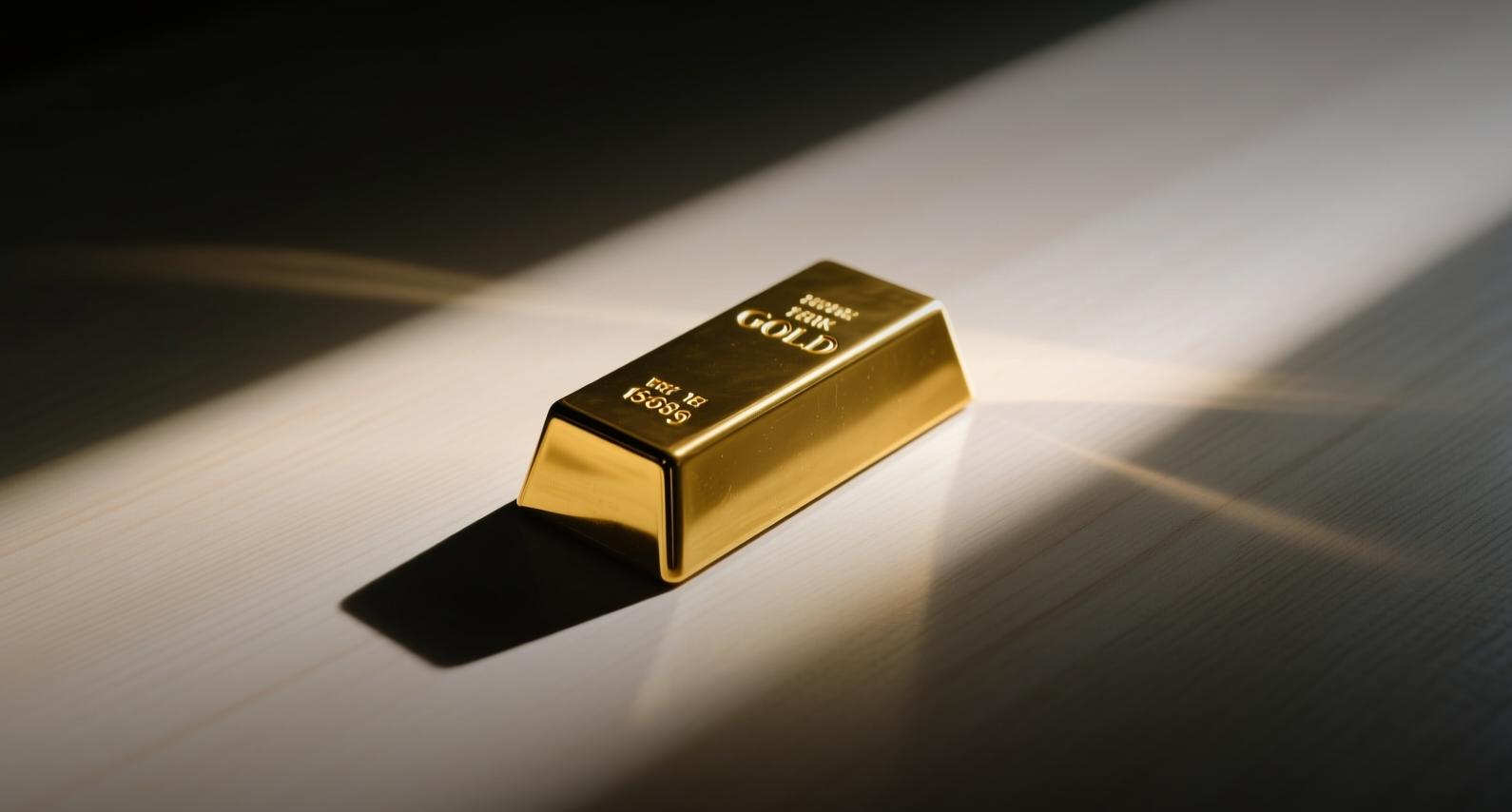
Gold declined to near $4,050 an ounce in early Asian trading Tuesday after the US paused planned airstrikes against Iran.
"The persistent expectation of Fed interest rate rises should counteract any rise in the gold price," analysts at Commerzbank said, with ongoing speculation about further tightening limiting investors' willingness to chase the recent rally.
Spot gold traded at $4,065.79, holding below all major moving averages, with the 21-day simple moving average at $4,066.82 tested just overhead. The 50-day, 100-day and 200-day SMAs at $4,174.88, $4,416.37 and $4,490.35 respectively line up as layered resistance, while the Relative Strength Index (14) at 47.48 sits just under the neutral 50 line.
The Federal Reserve held its benchmark rate steady in the 3.50%-3.75% range at its July policy meeting, with markets still pricing in a 65 percent chance of a September hike, per the CME Group's FedWatch Tool. Traders now await Friday's US jobs data for more clues on the rate path.
Falling wedge keeps $4,200 breakout in focus
Gold has compressed within the edges of a falling wedge pattern between $3,950 and $4,200, according to technical analysis. A break above $4,200 could trigger a move toward $4,500, while a break below $3,950 may increase pressure toward $3,800. Silver, the closest peer, remains in consolidation between $55 and $64, with the RSI below the midline and price below the 50-day and 200-day SMAs.
The safe-haven premium for the dollar has faded after President Donald Trump called off fresh attacks on Iran and announced peace talks, sending Brent crude down to $84 a barrel and WTI to $80, easing inflation fears. USD/JPY slumped over 1 percent to below 155.50, its lowest in three months, before rebounding to near 156.50.
Central bank buying to stay below last year's level
On the demand side, the World Gold Council does not anticipate any significant upturn in demand for the second half of the year, Commerzbank noted. While central bank purchases are expected to remain strong due to portfolio diversification and as a hedge against inflation and risks, they are likely to remain below the previous year's level.
Iran denied it was negotiating with the US but said talks with Oman to get more ships moving through the critical Strait of Hormuz waterway are making progress. Any signs of escalating tensions could push crude prices up and prompt central banks to hold rates at elevated levels for longer, keeping gold's upside capped.
This article is for informational purposes only and does not constitute investment advice.
