
Gold's safe-haven bid is fading as renewed US-Iran hostilities push oil prices higher and revive rate-hike bets, putting the metal's 2026 lows back within reach.
Gold's safe-haven bid is fading as renewed US-Iran hostilities push oil prices higher and revive rate-hike bets, putting the metal's 2026 lows back within reach.
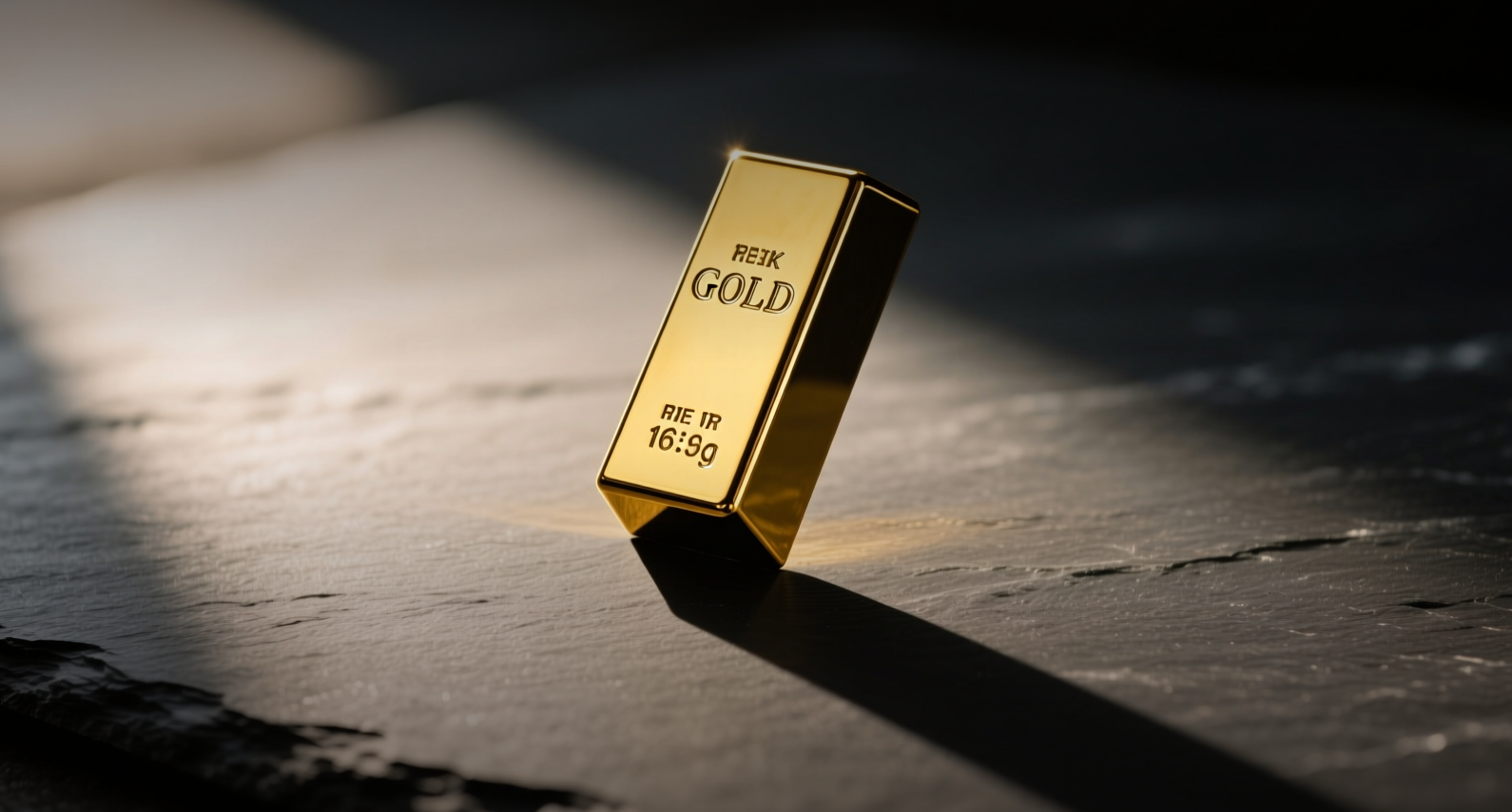
Gold traded near $4,000 an ounce on the COMEX, down 1.2% this week, as escalating US-Iran hostilities lifted oil prices and revived expectations for Federal Reserve rate hikes.
"The market has largely stood back from any fresh investment," said Rhona O'Connell, Head of Market Analysis for EMEA & Asia at StoneX. "Most of the weak-handed and speculative holders have almost certainly been washed out over the past six months."
The US and Iran exchanged fire over the Strait of Hormuz on July 7-8, collapsing a fragile ceasefire and threatening the IEA's forecast of a 2027 oil market surplus. Global supply rose 4.1 million bpd in June after the strait reopened but remained 9.4 million bpd below pre-war levels, the IEA said. The swaps market now prices a 30% chance of a 25-basis-point rate hike in the fourth quarter, with core PCE running at 3.5%.
StoneX expects gold to finish 2026 near current levels around $4,000, with volatility persisting as the market weighs the trajectory of the Iran conflict against a Fed that appears ready to hold the line on inflation under new Chair Kevin Warsh. "If it holds around $4,000 over the next few weeks, this may well entice physical buyers back," O'Connell said.
Silver Tracks Gold as Industrial Demand Looms
Silver traded between $55 and $60 an ounce, taking near-term direction from gold, according to StoneX. Only 28% of silver mine supply is price elastic, with the rest produced as a byproduct of copper, lead, zinc and gold mining. Longer-term, StoneX sees industrial demand strengthening from AI chip manufacturing, vehicle electrification and solar cell production, even as near-term volatility persists.
Central Bank Buying Provides a Floor
The official sector remains a key source of physical demand. The World Gold Council's latest survey showed 89% of central banks expect global gold reserves to increase over the next 12 months, with 45% expecting their own reserves to rise. Cumulative official-sector purchases reached almost 4,000 tonnes over the past four years. StoneX's own research on China's gold market identified a potential shortfall of roughly 4,000 tonnes when comparing mine production, recycling, consumption and net imports, suggesting the government may have accumulated metal outside the central bank's declared holdings.
The outlook hinges on whether the Iran conflict escalates further or a durable ceasefire emerges. A lasting peace agreement would remove a key support for gold prices and could accelerate the metal's decline toward its 2026 lows, while renewed hostilities would reinforce the safe-haven bid — though rising rate expectations complicate that calculus.
This article is for informational purposes only and does not constitute investment advice.
