
Key Takeaways:
- Goldman Sachs said central bank buying provides a structural floor for gold near $4,300
- Central bank purchases are running at more than double the five-year average
- The bank maintained its year-end gold price target of $4,500 an ounce
Key Takeaways:
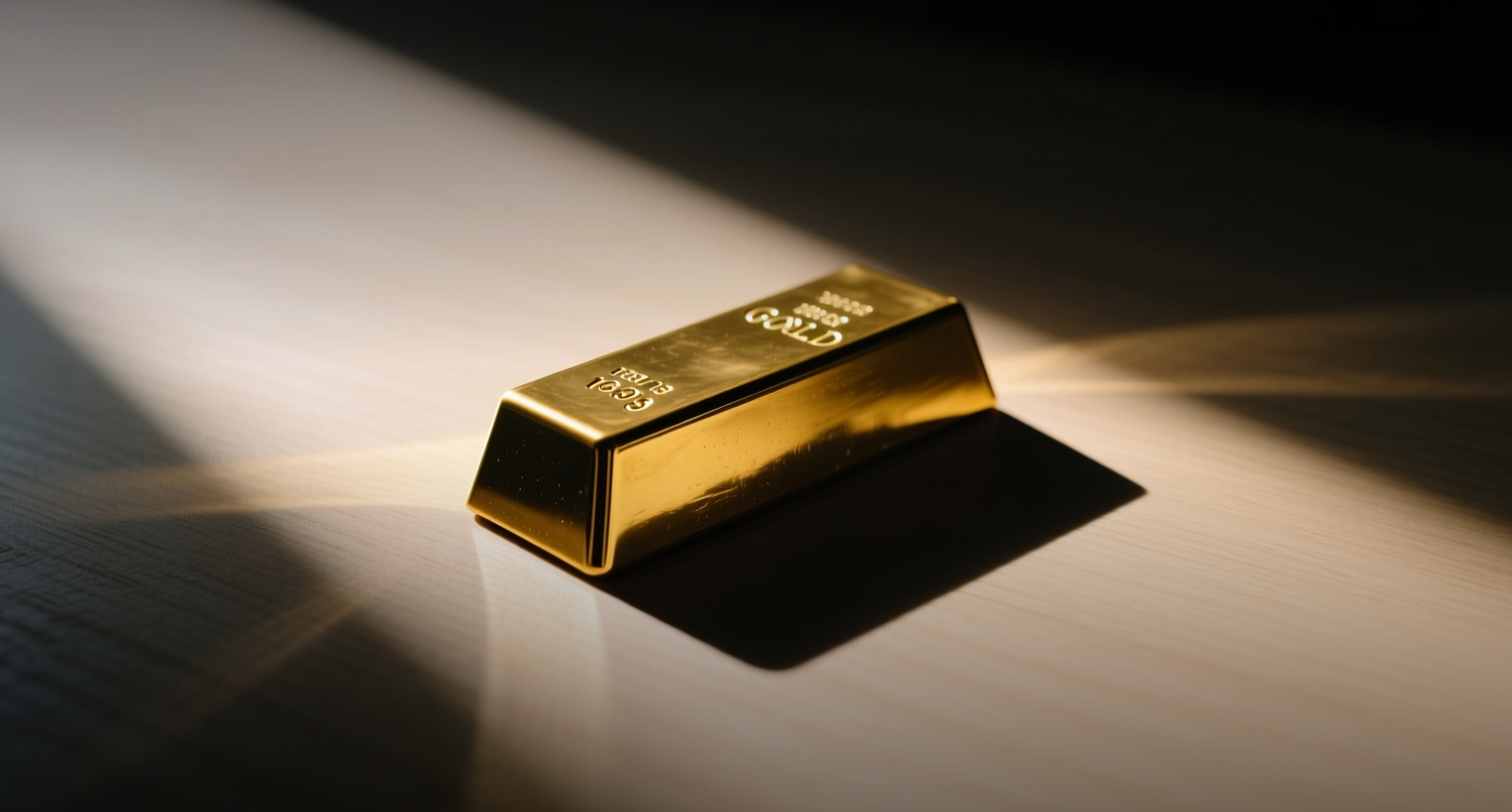
Central bank gold purchases are running at more than double the five-year average, giving Goldman Sachs confidence that prices near $4,300 have a structural floor.
Gold traded around $4,300 an ounce on Tuesday, supported by robust central bank buying that Goldman Sachs said should prevent any sustained sell-off despite elevated US bond yields.
"Central bank demand remains a structural backstop for gold prices, providing a floor that should limit downside even as real rates stay elevated," analysts at Goldman Sachs said in a note dated July 21.
The precious metal has retreated from recent highs as the 10-year US Treasury yield pushed above 4.5%, reducing the opportunity cost of holding non-yielding bullion. But Goldman's commodities team estimates that central bank purchases are running at more than double the five-year average, with institutions in China, Poland and India leading the buying.
The forecast implies that gold's floor near $4,000 an ounce is more durable than in prior rate cycles, when rising yields triggered sustained liquidation. The next catalyst for a breakout above $4,500 would be a shift in Fed policy expectations or further escalation in geopolitical tensions that accelerate reserve diversification.
Central Bank Demand Reshapes Gold's Price Dynamics
Central banks added more than 1,000 tonnes of gold to their reserves in 2025, the third consecutive year above that threshold, according to World Gold Council data. That compares with an average of about 475 tonnes annually in the five years through 2022. The buying has fundamentally altered gold's relationship with real interest rates — a correlation that historically explained about 80% of gold price moves but has weakened significantly since 2022.
The People's Bank of China has been the largest single buyer, adding gold to its reserves for 18 consecutive months through June. Poland's central bank has also been a consistent purchaser, targeting gold at 20% of its total reserves. India's Reserve Bank added more than 70 tonnes in the first half of 2026.
What Could Break the Floor
Goldman's base case assumes central bank buying continues at an elevated pace, but the bank flagged two risks. A sustained rally in the US dollar — which the bank does not forecast — could slow purchases from non-dollar bloc central banks. Separately, a sharp drop in gold prices below $3,800 could trigger forced liquidation from speculative positions, though Goldman views this as unlikely given the physical buying support.
The bank's commodities team maintained its year-end gold price target of $4,500 an ounce, with risks tilted to the upside if US rate cuts materialize sooner than markets currently price.
At current levels, gold is trading about 15% below its all-time high of $5,070 an ounce set in April 2026, and about 7% above the 200-day moving average near $4,020. COMEX gold futures open interest has held steady near 520,000 contracts, suggesting positioning is not excessively stretched in either direction.
This article is for informational purposes only and does not constitute investment advice.
