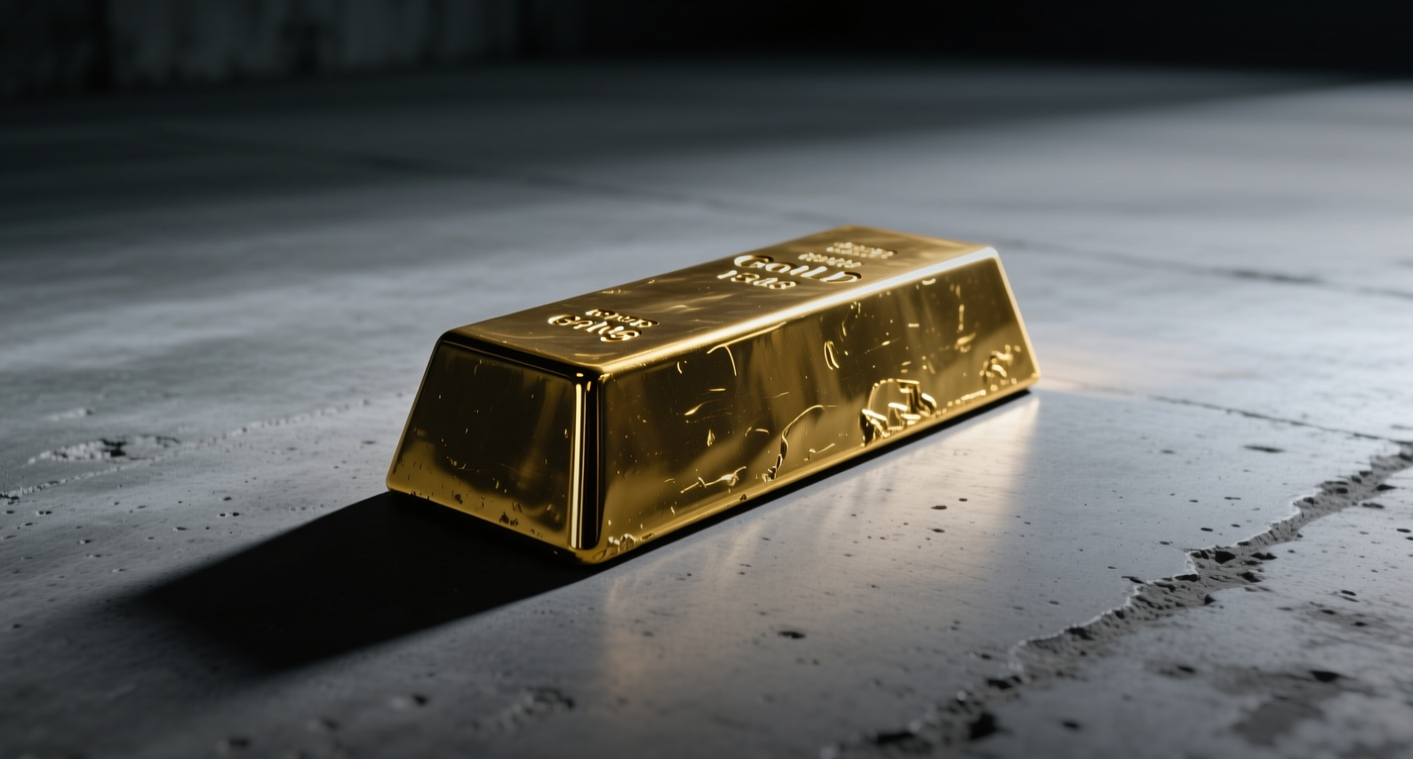
Gold's rally is losing steam, with technical signals pointing to more losses ahead after the metal fell $43 in a single session.
Gold slid to $4,050 per ounce on the international market as of the London PM fix on July 28, down $43 from the prior session, according to COMEX data. In Pakistan, the decline was mirrored with 24-carat gold falling Rs4,300 to Rs427,436 per tola, while 10-gram gold dropped Rs3,687 to Rs366,457, the Karachi Sarafa Association reported.
A video analysis published July 28 forecast further downside for the yellow metal, citing bearish technical patterns that suggest the current pullback may extend. The report did not specify a target level but flagged weakening momentum after gold failed to hold recent highs above $4,100.
The decline comes as the US dollar strengthened against major currencies, with the dollar index gaining 0.3% during the session, according to Bloomberg data. Gold, which is priced in dollars, typically moves inversely to the greenback. The metal had rallied earlier in July as Middle East tensions drove safe-haven demand, but that premium has partially unwound as diplomatic channels reopened.
COMEX gold inventories stood at 24.3 million ounces as of July 25, up 2% from the prior month, exchange data shows. Rising stockpiles suggest near-term physical demand is softening, adding to the bearish case. Silver also declined, with the white metal falling to $6,223 per tola in Pakistan and $5,335 per 10 grams.
What's driving the selloff
The primary catalyst for gold's decline is a shift in rate expectations. Markets are now pricing in a higher probability that the Federal Reserve will hold rates steady at its September meeting, according to CME FedWatch data. Higher interest rates increase the opportunity cost of holding non-yielding assets like gold.
Gold at $4,050 is now 3.5% below its July high of $4,200 and 1.2% above the 50-day moving average of $4,003, according to Bloomberg data. A break below $4,000 would mark the first time gold has traded below that psychological level since June. The next major support sits at $3,950, the 100-day moving average.
The bearish outlook contrasts with gold's strong first half of 2026, when the metal gained 12% as central banks added 483 tonnes to their reserves, according to the World Gold Council. That buying pace has slowed in recent months, removing a key demand pillar.
This article is for informational purposes only and does not constitute investment advice.