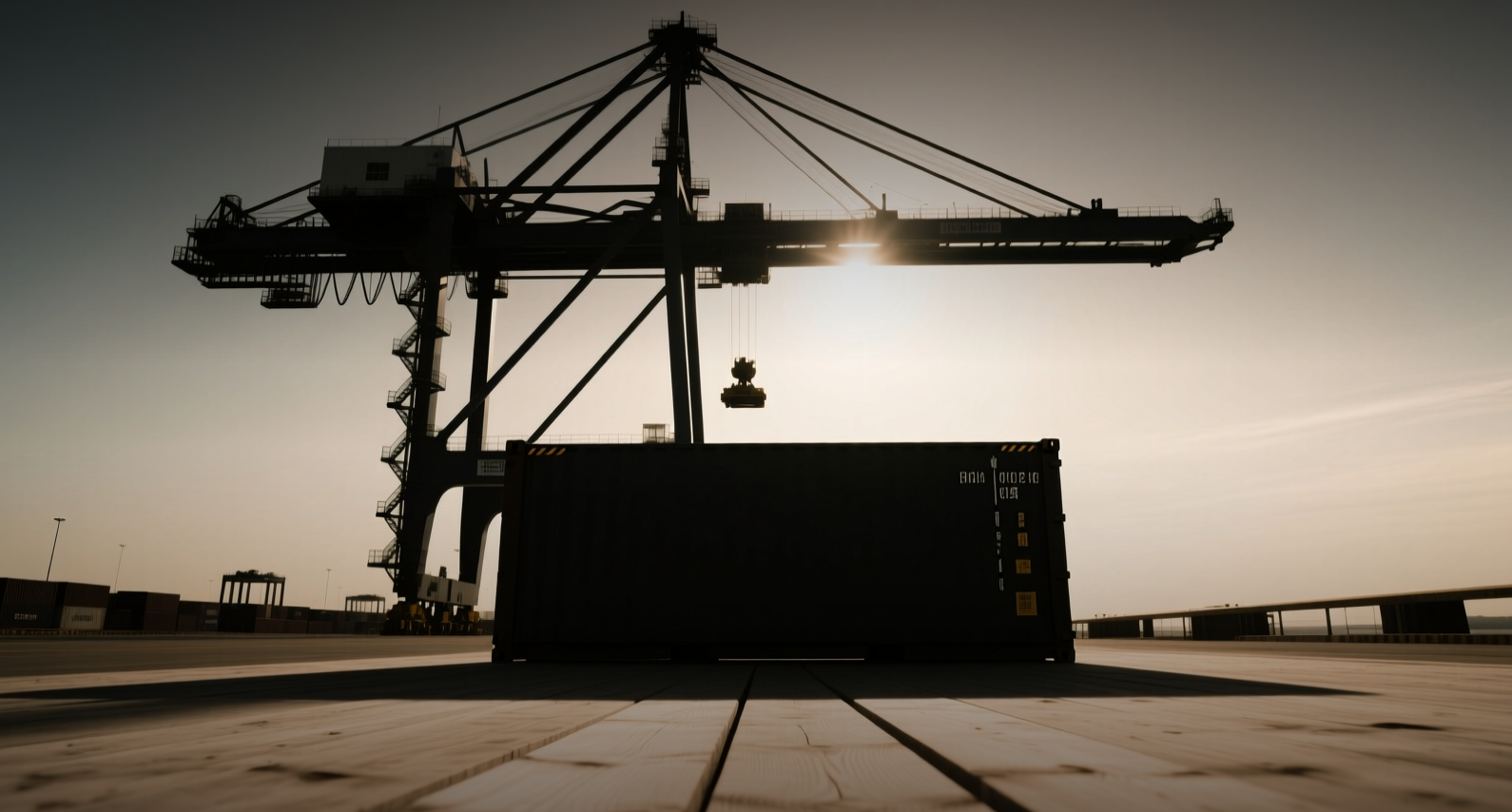
DP World is building a new port on the UAE's east coast to bypass the Strait of Hormuz, where traffic has collapsed 95% since Iran closed the waterway in response to US-Israeli military action.
The Dubai-based port operator is in talks to develop a multipurpose port in the coastal area of Fujairah and a new container terminal at the existing harbor in the emirate, according to people familiar with the matter. The project could be completed within 18 months, a senior DP World official said, though its financing structure and final design have not been determined.
"The impact on Jebel Ali is likely to be significant and permanent," said Lars Jensen, chief executive of Vespucci Maritime, a shipping consultancy.
Jebel Ali, the Middle East's largest container port, processed 15.6 million TEUs last year. Activity has plunged 90% to 95% since the conflict began in late February, according to people familiar with the matter. Debris from an intercepted missile sparked a fire near the port during the early stages of the war. Moody's estimates DP World's 2026 profit will fall to about $5.9 billion, down nearly 11% from $6.6 billion in 2025.
The Strait of Hormuz handles about 21% of global oil trade. Before the conflict, about 135 vessels transited the waterway daily. After a brief reopening following a temporary ceasefire, daily traffic barely exceeded 40 ships. Over the past week, renewed strikes between Iran and the US-Israel alliance pushed traffic back to extremely low levels.
Iran has launched nearly 3,000 drones and missiles at the UAE since the conflict erupted in late February, more than against any other country in the region, according to the Financial Times. The new port would allow containers to enter the UAE without transiting the Strait of Hormuz, with cargo then moved overland to Dubai, Abu Dhabi and neighboring Gulf states.
A Defensive Pivot, Not a Replacement
DP World has already diverted cargo from Jebel Ali to Fujairah and nearby Khor Fakkan, but both ports have experienced severe congestion as businesses scramble to maintain trade flows. The company plans to invest several hundred million dollars initially in the new facilities, with further spending dependent on capacity needs.
"We have our own plans. We've been very active in looking at the east coast," a senior DP World official said. "This is a defensive move in case things get worse."
Gulf officials stressed the east coast expansion is not intended to replace Jebel Ali, which remains the region's premier logistics hub with integrated economic zones, warehousing and heavy industry. "Jebel Ali will continue to be Jebel Ali. It will never be downsized," the DP World official said.
The push to expand east coast infrastructure extends beyond DP World. Sharjah-based Gulftainer is moving ahead with plans to expand the Khor Fakkan container terminal, announcing a $2 billion investment earlier this month to boost capacity.
The last comparable disruption to Gulf shipping infrastructure occurred during the 2019 attacks on Saudi Aramco's Abqaiq and Khurais facilities, which temporarily knocked out 5.7 million barrels per day of production and sent oil prices surging 15%. The current crisis, now in its fifth month, has had a more sustained impact on trade routes, with no clear resolution in sight.
Fujairah already plays a strategic role in the UAE's energy infrastructure. Abu Dhabi has used the port to export some crude oil and plans to increase volumes that bypass the Strait of Hormuz entirely.
For investors, the restructuring signals that UAE east coast port assets — Fujairah, Khor Fakkan and any new facilities — are gaining strategic value, while assets tied to Strait of Hormuz-dependent operations face persistent downside risk. The shift could increase shipping costs for crude oil and container goods transiting the region, potentially feeding into inflation for energy and traded goods.
This article is for informational purposes only and does not constitute investment advice.