
A Texas couple who retired on Social Security alone now regret claiming benefits early and skipping a retirement plan.
A Texas couple who retired on Social Security alone now regret claiming benefits early and skipping a retirement plan.
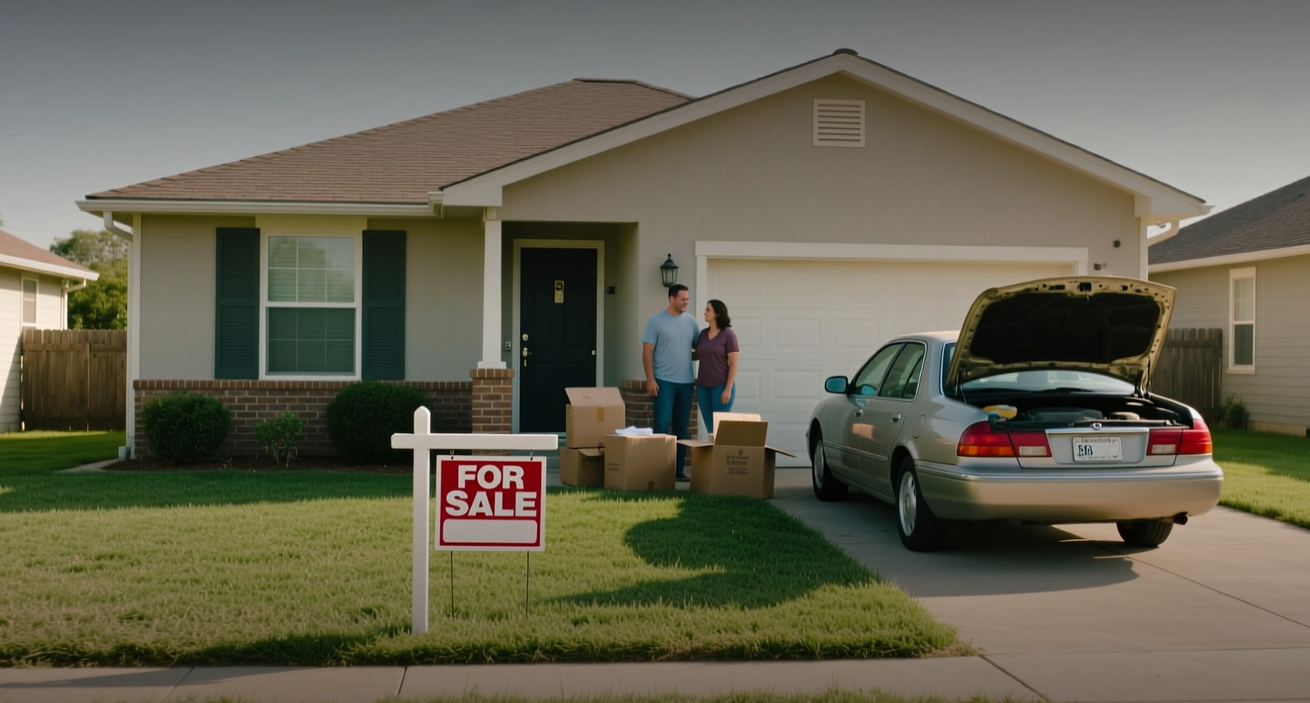
Jean and Edward Lewis of Texas retired with no retirement savings and now rely solely on Social Security plus a monthly pension of less than $100, a position they trace to claiming benefits too early and never planning for retirement.
"We foolishly never sat down and thought out what our retirement would or should look like," said Jean Lewis, who retired in 2022 at age 63 from a pre-K teaching job because of declining health.
Edward began collecting Social Security at age 66 and lost his job at a car dealership in 2018 at age 69, collecting unemployment for six months before failing to find full-time work again. Jean's full retirement age is 66 years and 8 months, so her early claim at 63 permanently reduced her monthly benefit.
The couple's only cushion came from a surprise Social Security back-pay correction last year, which Jean called "literally a lifesaver." Without it, any unexpected expense — such as a car air-conditioner compressor they cannot afford — strains their monthly budget.
The general advice for claiming Social Security is to wait as long as possible to maximize monthly benefits. Edward claimed at 66, his full retirement age, but Jean now regrets they did not wait until 69. "We probably should have waited for the additional three years for my husband to collect Social Security once he was actually unemployed, from age 66 to 69. That was due to my ignorance. At the time, I didn't know that was an option," she said.
Delaying benefits past full retirement age raises monthly payments by roughly 8 percent per year until age 70, according to Social Security Administration rules. For a couple with no other savings, that increase can mean the difference between covering routine costs and falling into high-interest credit card debt, which Jean said is an easy spiral when living on benefits alone.
Jean's early retirement at 63, before her full retirement age of 66 years and 8 months, permanently reduced her benefit. Health issues forced the decision. "Initially, I planned to stick it out and work until then. At some point, my health was declining and I was so tired, I realized I couldn't last that long," she said. She downgraded to part-time work in her final year before retiring.
The couple lived paycheck to paycheck throughout their working years and never built savings. Jean regrets not downsizing to a smaller, less expensive home sooner or developing a side income. "We basically always lived paycheck to paycheck," she said.
Now the couple is brainstorming side hustles to bring in extra income and plans to sell and downsize their home. Jean advises others to "evaluate your particular circumstances, think through all the options, and do your research regarding Social Security. Don't just jump into retirement blindly."
The Lewis case illustrates how claiming timing and savings shortfalls compound in retirement. For households approaching retirement, the decision of when to claim benefits carries a permanent financial weight: each year of delay adds roughly 8 percent to the monthly check, while early claims lock in a reduced amount for life. Social Security rules and benefit amounts change over time, so readers should verify current figures against the latest official Social Security Administration announcements before making claiming decisions.
This article is for informational purposes only and does not constitute investment advice.
