

The Coldcard entropy failure that drained $130 million in Bitcoin has pushed self-custody advocates toward multi-vendor multisignature wallets as the new baseline.
The Coldcard entropy failure that drained $130 million in Bitcoin has pushed self-custody advocates toward multi-vendor multisignature wallets as the new baseline.
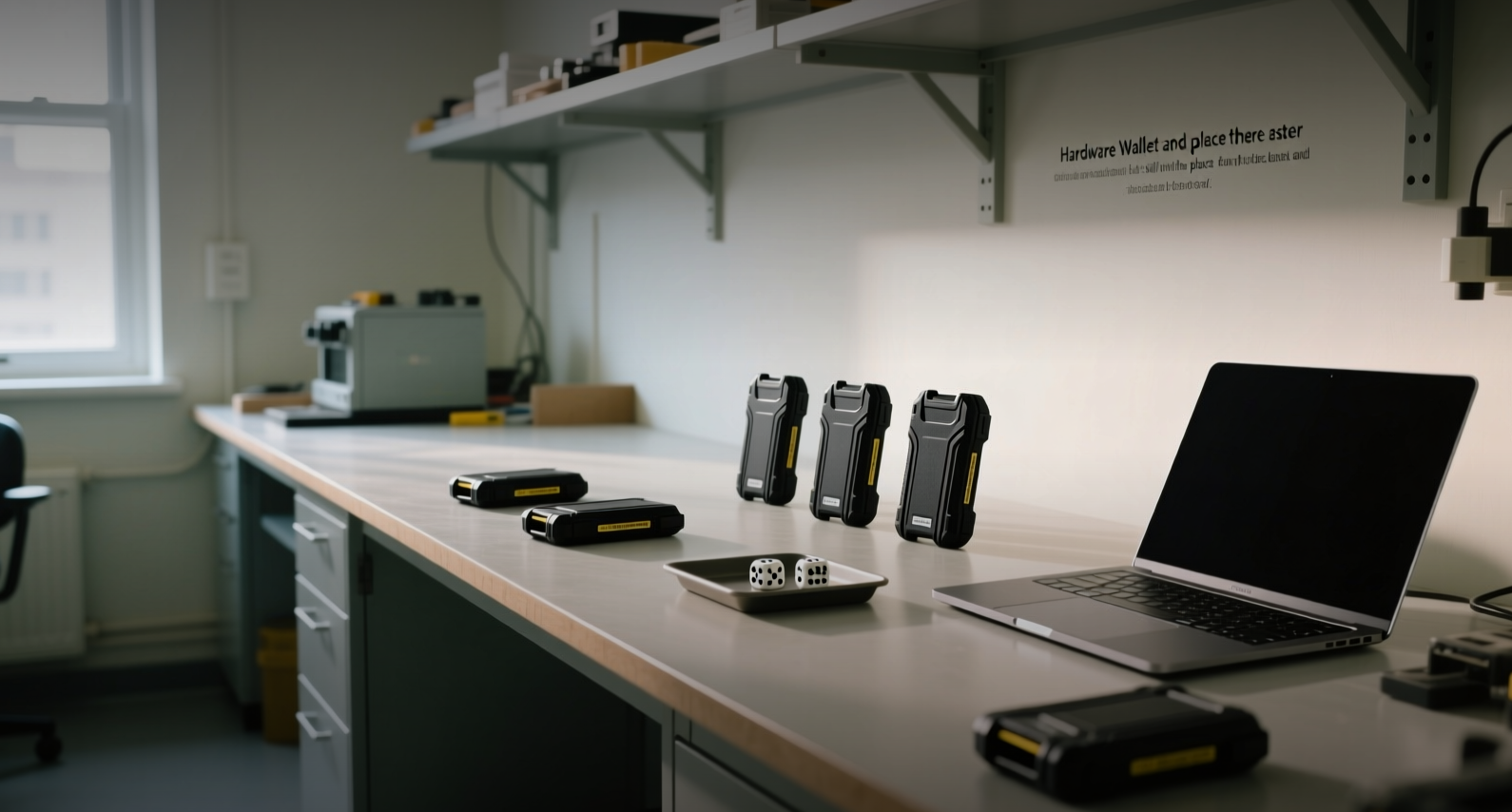
Attackers stole $130 million in Bitcoin from Coldcard wallets after a 2021 seed-generation flaw cut entropy from 128 to 40 bits, Coinkite confirmed.
"We're treating this as a serious reminder of how the whole security model of a hardware wallet lives or dies on randomness," Charles Guillemet, chief technology officer at Ledger, said.
The first attack wave drained 594 BTC, worth about $38 million, from roughly 500 wallets in 25 minutes. Galaxy Research tracked $88.6 million stolen across 4,585 addresses by early August, rising to more than 1,778 BTC — approximately $112 million at the time — by Aug. 14 across three major attack waves and dozens of smaller incidents. Coinkite suggested attackers may have used AI to examine older versions of its open-source firmware and uncover the flaw.
The incident has triggered a reassessment of single-signature custody. Casa CEO Nick Neuman estimated 233,000 bitcoins moved to safer storage in response, while Coinkite now mandates user-contributed physical randomness — at least 65 key presses, 50 dice rolls, or 128 coin flips — for new seed generation on firmware 5.6.1 (Mk4/Mk5) and 1.5.1Q (Q series).
Coinkite's three-week security review, which included outside researchers and AI models including Kimi, uncovered additional issues beyond seed generation. The updated firmware adds transaction re-verification before signing to catch post-review modifications, tightens USB data access, hardens Delta Mode isolation, and replaces the Yasmarang backup pseudo-random number generator with SHA-256 Hash_DRBG.
Users who generated seeds on affected firmware between 2021 and July 2026 must create a new seed and transfer their Bitcoin. Coinkite said law enforcement continues investigating the thefts.
The exploit has accelerated adoption of multi-vendor multisignature wallets, which require signatures from multiple private keys generated on different hardware devices. A common setup pairs a Trezor Safe 7 with a Ledger Nano and a recovery key from a multisig provider such as Casa or Unchained Capital, requiring any two of three signatures to spend funds.
This structure protects users from a single vendor's entropy failure. Advanced configurations add time locks or multi-jurisdictional key storage to resist coercion attacks. Nunchuck and Sparrow offer fully self-custodied multisig, while AnchorWatch provides Bitcoin-denominated theft insurance through Lloyd's of London.
The tradeoff: users must store the multisig script or template alongside their keys, and the added complexity creates new failure points for less technical holders. The broader security environment has shifted as well — swap service Boltz suspended operations earlier this month after saying AI-assisted attackers were finding bugs faster than developers could fix them, and a volunteer Bitcoin Red Team used AI agents to identify thousands of potential vulnerabilities across hundreds of Bitcoin projects.
The broader lesson, as Guillemet put it, is that cryptography is hard — and implementing it securely is harder.
This article is for informational purposes only and does not constitute investment advice.
