

Ken Griffin's Citadel is weighing direct ownership of US oil wells, courting private equity sellers after losing the $4.06 billion auction for Eagle Ford producer WildFire Energy to Magnolia Oil & Gas.
Ken Griffin's Citadel is weighing direct ownership of US oil wells, courting private equity sellers after losing the $4.06 billion auction for Eagle Ford producer WildFire Energy to Magnolia Oil & Gas.
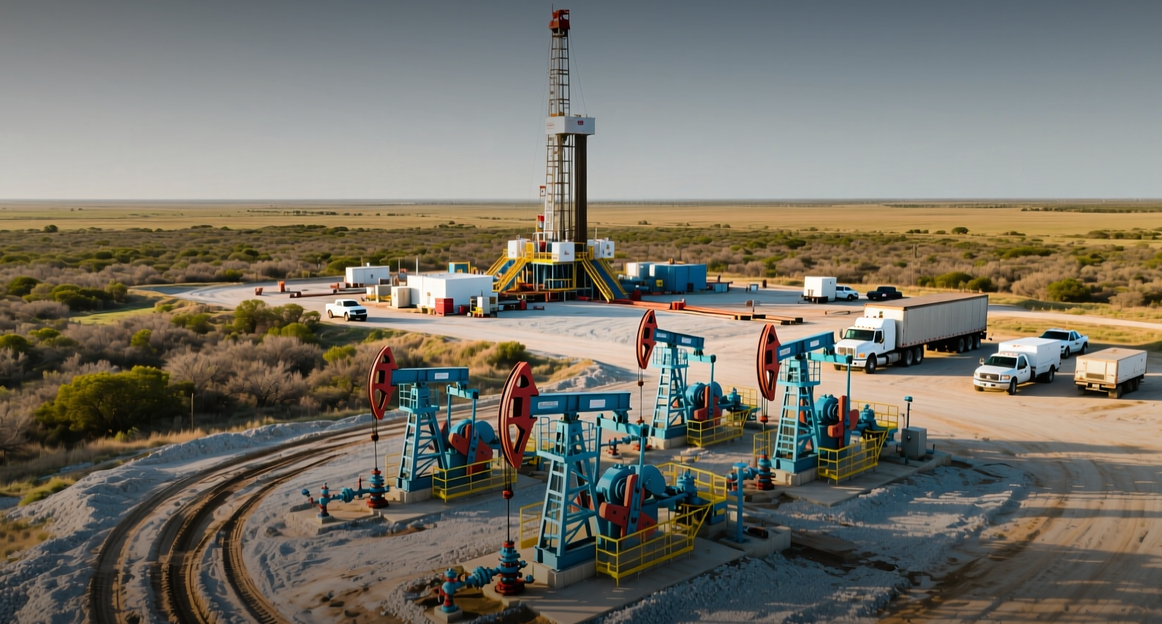
Citadel has held talks to buy US shale oil production assets, deepening a top hedge fund's push into physical commodity ownership as crude trades near a six-week high on Middle East supply risk.
The firm founded by Ken Griffin was among the bidders for WildFire Energy, the Eagle Ford shale operator in South Texas that Magnolia Oil & Gas agreed to buy for $4.06 billion, four people familiar with the matter said. The WildFire bid was one of several engagements Citadel has had in recent weeks with private equity firms selling oil-weighted exploration and production companies, the people said, asking not to be identified because the matter is private.
Citadel, already a major trader of oil, natural gas, power and other commodities, sees physical barrels as a natural hedge: production tends to gain value in the same market conditions — supply disruptions or geopolitical shocks — that can generate losses on paper trading positions. US crude touched a six-week high Thursday as Middle East tension escalated, and many producers posted their best quarterly earnings in years during the second quarter.
The approach mirrors the one Citadel took when it entered US natural gas production last year. It bought Paloma Natural Gas from EnCap Investments in February 2025, renamed the platform Apex Natural Gas, then added assets from Comstock Resources and Azul Resources, which is backed by Carnelian Energy Capital.
A platform such as WildFire would have brought not just producing wells but an existing management team to run them and any future acquisitions — the same playbook Citadel used to scale Apex. The firm's willingness to bid against a public strategic buyer like Magnolia shows how far financial traders will go to secure physical supply rather than rely on futures and derivatives.
Citadel's interest comes as other commodity traders expand into production. Vitol in July agreed to sell its VTX Energy Partners US shale venture, and Reuters reported last week that Gunvor was in talks to buy Haynesville shale assets for more than $1 billion. The pattern points to rising institutional appetite for direct commodity ownership, which could support valuations across US shale producers and keep energy M&A active even as public-market multiples compress.
The shift reflects a broader blurring of lines between financial trading and physical asset control. As crude prices stay elevated and Middle East tensions disrupt global energy markets, US oil and gas assets have drawn heightened buyer interest because they can deliver oil without passing through chokepoints such as the Strait of Hormuz. Industry executives have warned that tight supply could take months to ease even if hostilities ended immediately.
For Citadel, the calculus is straightforward: physical barrels hedge the paper book, and owning production gives the firm a seat at the table as supply tightens. Whether it closes a deal depends on price — WildFire went to Magnolia at $4.06 billion, and private equity sellers are unlikely to discount assets while crude holds near multi-year highs. Citadel and Warburg declined to comment, and Kayne Anderson did not respond to a request for comment.
This article is for informational purposes only and does not constitute investment advice.
