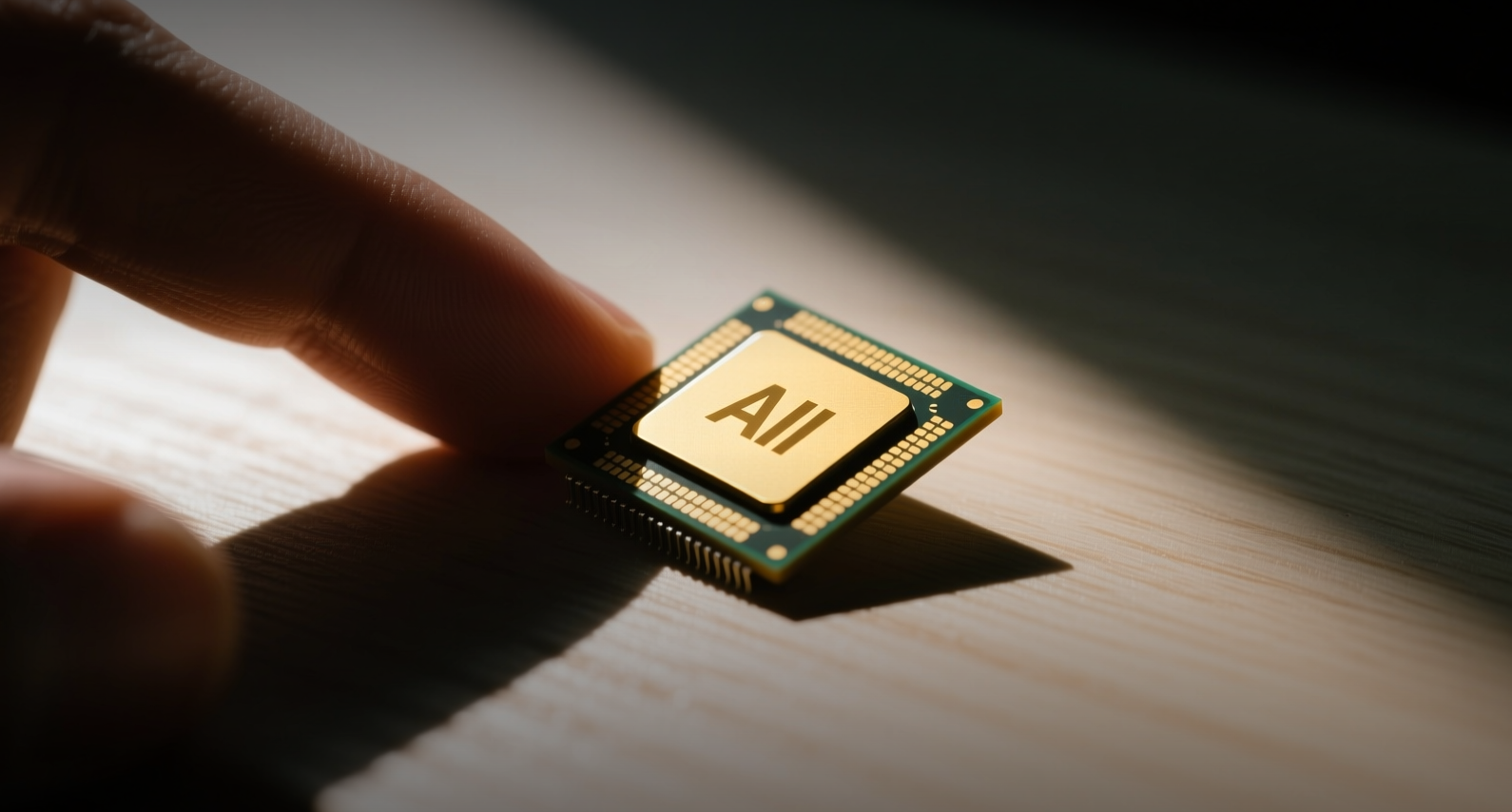
Beijing is tightening its grip on AI and semiconductor exports, escalating the technology rivalry with Washington just days after launching a 29-country global AI alliance.
Chinese regulators are considering tightening export controls on AI models and semiconductor technologies, the Financial Times reported Tuesday, broadening Beijing's toolkit in the technology rivalry with Washington just days after it launched a 29-country global AI alliance.
"China has learned its lesson from GPU and other trade restrictions and is now actively trying to hedge against future US policies," said Raman Aggarwal, founder and chief executive officer of Jupitice Justice Technologies.
The move follows years of US export restrictions that have limited China's access to advanced semiconductors from Nvidia Corp. and chipmaking equipment from ASML Holding NV. Beijing's response shows a two-pronged strategy: building domestic alternatives while restricting outflows of its own AI capabilities. Chinese startup Moonshot AI this month unveiled Kimi K3, a 2.8 trillion-parameter large language model that analysts said could narrow the gap with US systems within weeks.
The tighter controls could disrupt global semiconductor supply chains and hurt revenue prospects for Western chipmakers that still sell into China. The US, EU and China are racing to shape the rules governing AI development, with the outcome set to determine which countries control access to computing power, data and the standards that will define the next generation of technology.
Export Controls Become a Two-Way Street
For years, Washington held the upper hand in restricting technology flows. The US Commerce Department's Bureau of Industry and Security has maintained a steadily expanding entity list that blocks Chinese companies from accessing advanced chips and equipment. Now Beijing is showing it can play the same game.
The potential Chinese controls would cover both AI models — the software layer that determines what AI systems can do — and the semiconductor hardware that powers them. This dual scope mirrors the US approach, which has targeted both Nvidia's advanced chips and the equipment used to manufacture them. The average US tariff on Chinese goods now stands at about 19 percent after the 2025 escalation, and any new Chinese export restrictions would add a fresh layer of friction to bilateral technology trade.
Global South Emerges as Battleground for AI Influence
China's push to tighten export controls comes alongside a diplomatic offensive aimed at winning influence among developing nations. The World Artificial Intelligence Cooperation Organisation, launched in Shanghai on July 16 with 29 founding members including Russia, Brazil, Pakistan and Indonesia, positions Beijing as a partner for countries seeking AI access without Western regulatory conditions.
India's decision to stay out of WAICO highlights the strategic choices facing nations as the AI order takes shape. For developing countries, the appeal of China's offer — technology access without the compliance demands of Western frameworks — must be weighed against the risk of dependency on a single technology ecosystem.
The escalation carries direct consequences for investors. Semiconductor stocks including Nvidia, Advanced Micro Devices and ASML could face additional downside pressure if China restricts access to its market or retaliates against US companies. The Philadelphia Stock Exchange Semiconductor Index has already priced in elevated geopolitical risk, and any concrete regulatory action from Beijing would likely trigger a fresh reassessment of supply chain exposure across the sector.
This article is for informational purposes only and does not constitute investment advice.