
China's July exports rose 23.9% year-on-year, beating forecasts as global AI infrastructure demand kept the manufacturing engine running.
China's July exports rose 23.9% year-on-year, beating forecasts as global AI infrastructure demand kept the manufacturing engine running.
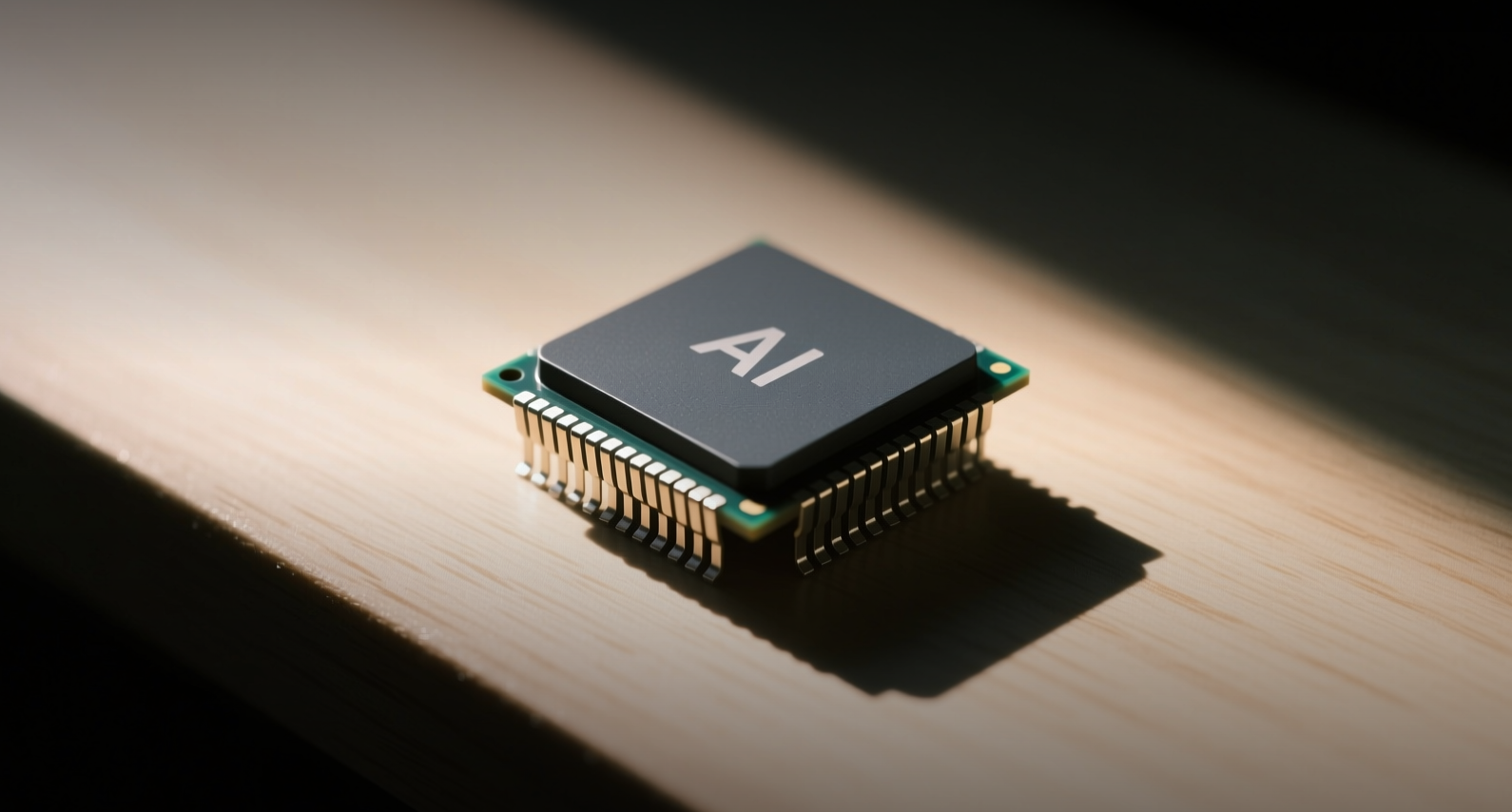
China's exports rose 23.9% year-on-year in July in dollar terms, beating the 22.2% forecast in a Reuters poll, as the global AI infrastructure buildout sustained the manufacturing powerhouse's key growth pillar. Imports climbed 27.5%, slowing from a 36% jump in June and in line with the 27.9% expected.
Macquarie analysts said Beijing's policy support for domestic consumption and the property market would remain restrained as long as exports and manufacturing could help the economy achieve policymakers' annual growth target of 4.5% to 5%.
Semiconductor exports nearly doubled in value from a year earlier, and overall high-tech product exports expanded 40.7%, customs data showed. Ceramics exports slumped 28.3%, a sign of the economy's uneven development where advanced manufacturers ride the AI boom while traditional industries struggle on limited demand.
The trade surplus narrowed to $112.5 billion from $125.62 billion in June, yet remains on track to top $1 trillion for a second year. That continued to unnerve trading partners: the European Union has been weighing tougher measures to curb its trade deficit with China, while Beijing and Washington have traded restrictions ahead of an expected leaders' summit in September.
Exports carry a slowing economy
China's economy grew 4.7% in the first half of 2026, broadly on track to meet the official full-year target, but growth slowed to 4.3% in the second quarter as weak consumption and an investment downturn clouded strong manufacturing and exports. The world's second-largest economy has leaned on external demand to sustain growth while domestic consumption stays tepid.
That reliance carries risk. Trading partners may step up protectionism in an uncertain global environment, and the Iran war has added to the strain on supply chains and energy costs. China's imports of natural gas dipped 3% in the first seven months of the year, while crude oil imports dropped 13.2%, customs data showed.
The onshore yuan traded at 6.7473 per dollar, little changed, as traders weighed the resilient trade data against the broader slowdown. Hong Kong's Hang Seng Index and mainland A-shares will take their cue from the figures when markets open, with export-oriented and shipping names most exposed to any shift in trade momentum.
The export mix itself is reshaping the economy's structure. In a meeting late last month, China's top decision-makers called for a faster transition from old growth drivers to new ones, with priority on high-tech sectors. The near-doubling of semiconductor exports and the 40.7% jump in high-tech products show that shift is already underway, even as traditional exporters of ceramics and other goods face shrinking demand at home and abroad.
With exports booming and factories humming, policymakers may feel more comfortable delaying measures to boost household income and strengthen social security systems that would address entrenched weakness in domestic demand. The deceleration from June's 27% export surge and 36% import jump shows the pace of external demand is cooling even as the absolute level stays high, a dynamic that will shape how Beijing calibrates stimulus in the second half. If export momentum fades further in August, pressure will build on the People's Bank of China to ease policy and on fiscal authorities to accelerate infrastructure spending to fill the gap. The September leaders' summit with Washington will be the next test of whether the trade surplus can hold without triggering fresh retaliation.
This article is for informational purposes only and does not constitute investment advice.
