

China's CAC added Apple Intelligence and six other mobile AI services to its approved filing list, clearing a key hurdle for the iPhone maker.
China's CAC added Apple Intelligence and six other mobile AI services to its approved filing list, clearing a key hurdle for the iPhone maker.
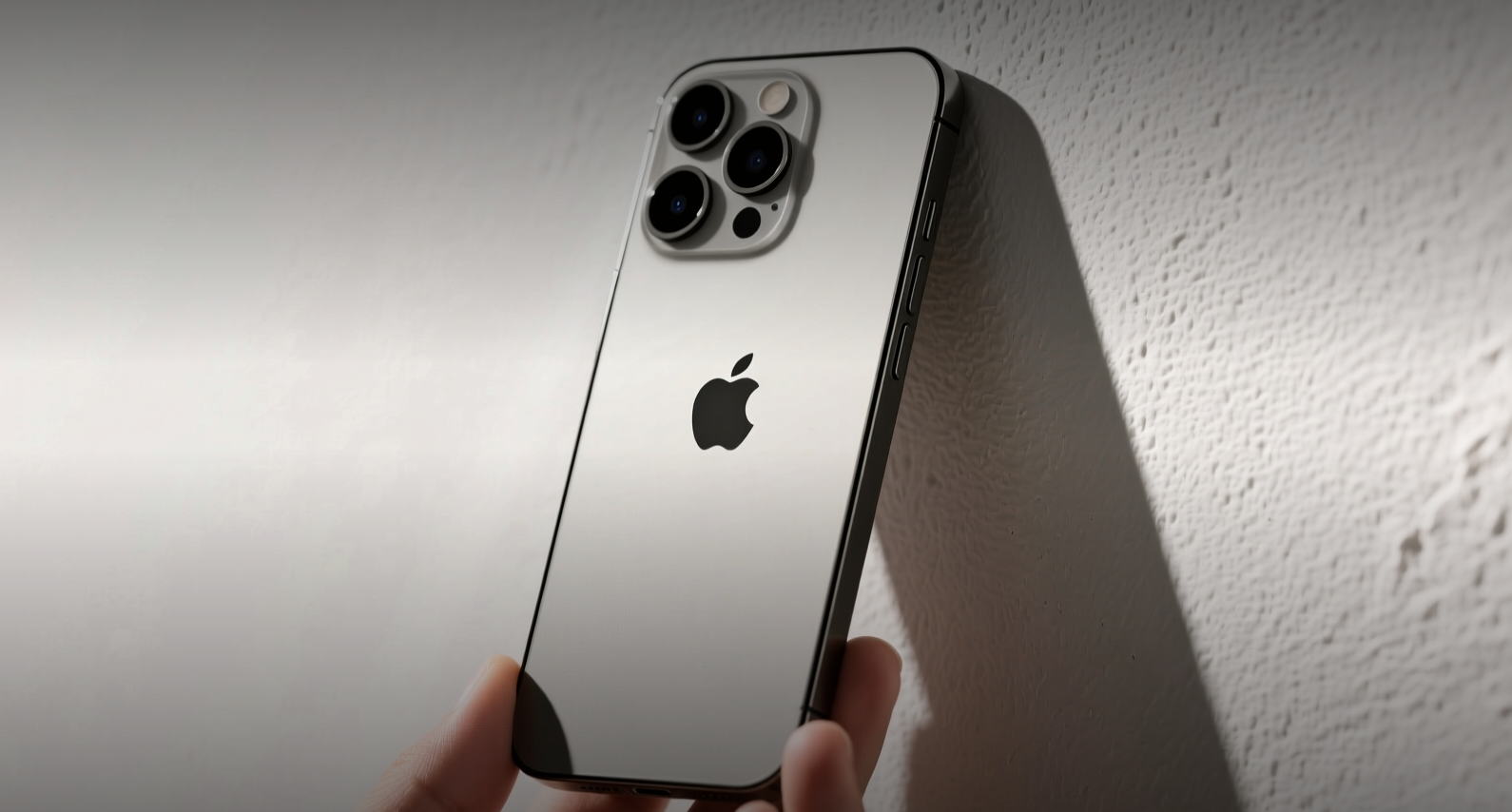
China's cyberspace regulator approved seven mobile-device generative AI services including Apple Intelligence, Huawei Celia AI and Xiaomi HyperAI, in a move that indicates a more accommodating regulatory stance toward consumer AI in the world's largest smartphone market.
"The filing process ensures these services meet content safety and data governance requirements before reaching consumers," according to the Interim Measures for the Administration of Generative AI Services, which took effect in August 2023 and established China's first comprehensive framework for AI oversight.
The seven services span the three largest Chinese smartphone vendors by market share. Apple Intelligence, the Cupertino-based company's suite of AI features integrated into iOS 18, had faced uncertainty over its China launch since the measures took effect. Huawei's Celia AI and Xiaomi's HyperAI, both built on proprietary large language models, were also included in the filing.
The approvals remove a significant regulatory overhang for Apple, which generated about 17 percent of its $391 billion in fiscal 2024 revenue from Greater China. For Xiaomi and Huawei, the filings allow them to market AI features as a differentiator in a smartphone market where shipments grew 5.6 percent to 285 million units in 2024, according to IDC.
Under the Interim Measures, companies offering generative AI services to the Chinese public must file with the CAC and pass security assessments. The rules require that AI-generated content aligns with socialist core values, does not discriminate and respects intellectual property. Companies must also implement data governance measures including user consent mechanisms and content moderation systems.
The CAC began accepting filings in August 2023, with early approvals covering text-based models from Baidu's Ernie Bot and Alibaba's Tongyi Qianwen. The latest batch marks the first time mobile-device-side AI services — those running locally on smartphones rather than through cloud APIs — have been added to the registry.
Apple's inclusion is particularly significant given the company's reliance on AI features to drive iPhone upgrade cycles. The company unveiled Apple Intelligence at its Worldwide Developers Conference in June 2024, touting features including on-device text summarization, image generation and a more conversational Siri. Without Chinese regulatory approval, those features would have been unavailable on iPhones sold in China, potentially ceding ground to local rivals.
Huawei reclaimed the top spot in China's smartphone market in 2024 with a 16.6 percent share, according to Canalys, and has positioned Celia AI as a core feature of its Mate and Pura series. Xiaomi, which held a 13.7 percent share, has similarly integrated HyperAI across its devices.
The CAC's move suggests Beijing is prioritizing AI adoption and smartphone competitiveness over strict enforcement of its content rules, at least for on-device applications where models operate without continuous cloud connectivity. The next milestone will be whether the regulator extends similar approvals to cloud-based AI services from US companies such as OpenAI's ChatGPT and Google's Gemini, which remain blocked in China.
This article is for informational purposes only and does not constitute investment advice.
