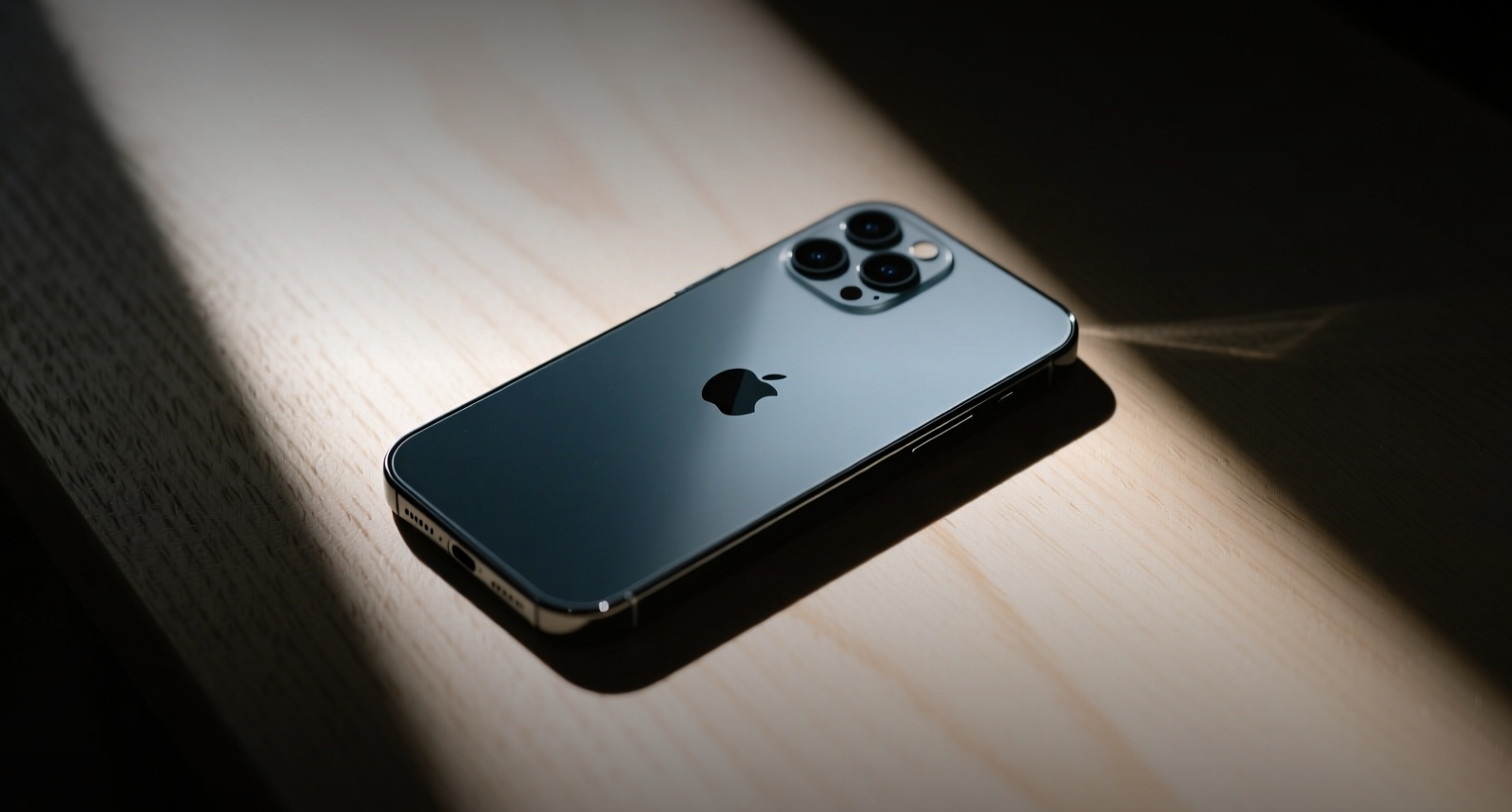
ByteDance and ZTE/Nubia are preparing 500,000 units of their first AI agent smartphone, signaling a shift in how the industry competes on on-device artificial intelligence.
ByteDance and ZTE's Nubia unit have pre-stocked 80,000 to 100,000 units of their first AI agent smartphone ahead of a planned debut at the 2026 World Artificial Intelligence Conference, with initial production totaling 500,000 units — far exceeding the previous generation's run.
"The smartphone industry's competition has moved from hardware specs to how well AI runs on the device itself," a person familiar with the product plans said, speaking on condition of anonymity because the details are not yet public.
The Doubao-branded device will feature ZTE's proprietary Co Claw intelligent scheduling technology for cross-application task automation, the company disclosed during its first-quarter earnings call. Supply chain partners include Sunny Optical for lens, main camera and telephoto modules; Goodix for under-display fingerprint recognition, audio amplification and touch control; and Maxic for wireless charging chips — the same supplier used in ByteDance's previous AI phone collaboration with ZTE.
The launch represents a strategic bet that on-device AI — rather than cloud-dependent features — will become the primary battleground in China's smartphone market. For ByteDance, whose Doubao AI assistant already reaches hundreds of millions of users, the phone extends its AI ecosystem into hardware. For ZTE, the partnership offers a path to differentiate in a market dominated by Huawei, Xiaomi and Oppo. The first batch of 500,000 units, with 80,000 to 100,000 already in inventory, signals confidence in demand that could reshape supply chain dynamics for edge AI components.
Supply Chain Ripple Effects
The AI smartphone push is already generating measurable downstream momentum. On July 10, A-share concept stocks rallied sharply: Skyworth Digital hit the daily limit up, and Goertek rose more than 5 percent. The moves reflect investor expectations that on-device AI will drive demand for edge AI system-on-chips, camera and vision modules, AI algorithms and original design manufacturing services.
Sunny Optical, which secured orders for the Doubao phone's camera optics, is accelerating its transition from a component supplier to what Chairman Wang Jiongchang described as a "manufacturer plus intelligent optical system solutions provider." The shift mirrors a broader industry trend: as AI phones require higher-quality imaging and sensor fusion, traditional optical component makers are moving up the value chain.
Goodix and Maxic are similarly positioned. Goodix's under-display fingerprint and audio solutions address what industry participants describe as the privacy and security requirements unique to on-device AI processing — where sensitive data stays on the handset rather than being sent to the cloud. Maxic's wireless charging chips, already qualified in ByteDance's earlier ZTE collaboration, meet the power efficiency demands of always-on AI assistants.
Competitive Stakes for China's Smartphone Market
The Doubao phone enters a market where every major Chinese handset maker is racing to embed large language models directly into devices. Huawei has integrated its Pangu model into the Mate series, Xiaomi is developing on-device AI for its Mi line, and Oppo has partnered with multiple AI startups. The difference with ByteDance's approach is the combination of a widely used consumer AI assistant — Doubao — with a dedicated hardware platform optimized for its capabilities.
StepFun, another Chinese AI company, teased a "new generation agent terminal" on July 9, with industry speculation pointing to an AI smartphone form factor. The clustering of product announcements suggests the second half of 2026 will see a wave of AI-native devices competing for consumer attention.
Beyond smartphones, the trend is extending to lower-cost, use-case-specific AI hardware. Skyworth Digital launched an AI game box on July 5 that integrates a local large language model with motion-sensing gaming, requiring no controllers or wearable devices. The product, already shipping to consumers, demonstrates that the AI hardware opportunity extends beyond premium handsets into specialized consumer electronics.
Investor Implications
For investors, the AI smartphone cycle introduces both opportunity and risk across the supply chain. Sunny Optical, trading at a premium to historical multiples, could see further upside if the Doubao phone's volume ramps beyond the initial 500,000 units. Goodix and Maxic offer exposure to the content-per-device increase driven by AI features — more sensors, more power management, more security components.
The risk lies in execution. On-device AI performance depends on chip efficiency, thermal management and software optimization — areas where first-generation products often fall short. If the Doubao phone's AI features fail to meaningfully differentiate from existing cloud-based assistants, the 500,000-unit production run could saturate demand rather than signal a new cycle.
ZTE shares have not yet reflected the partnership's potential, as the company's core telecom infrastructure business continues to face margin pressure. The AI phone represents a high-upside, low-probability catalyst: if successful, it could add a new growth vector; if not, the financial impact on ZTE's overall revenue is minimal.
This article is for informational purposes only and does not constitute investment advice.