
The equity market cap-to-GDP ratio remains at levels historically tied to market peaks, even as coordinated currency intervention reshapes the cross-asset backdrop.
The equity market cap-to-GDP ratio remains at levels historically tied to market peaks, even as coordinated currency intervention reshapes the cross-asset backdrop.
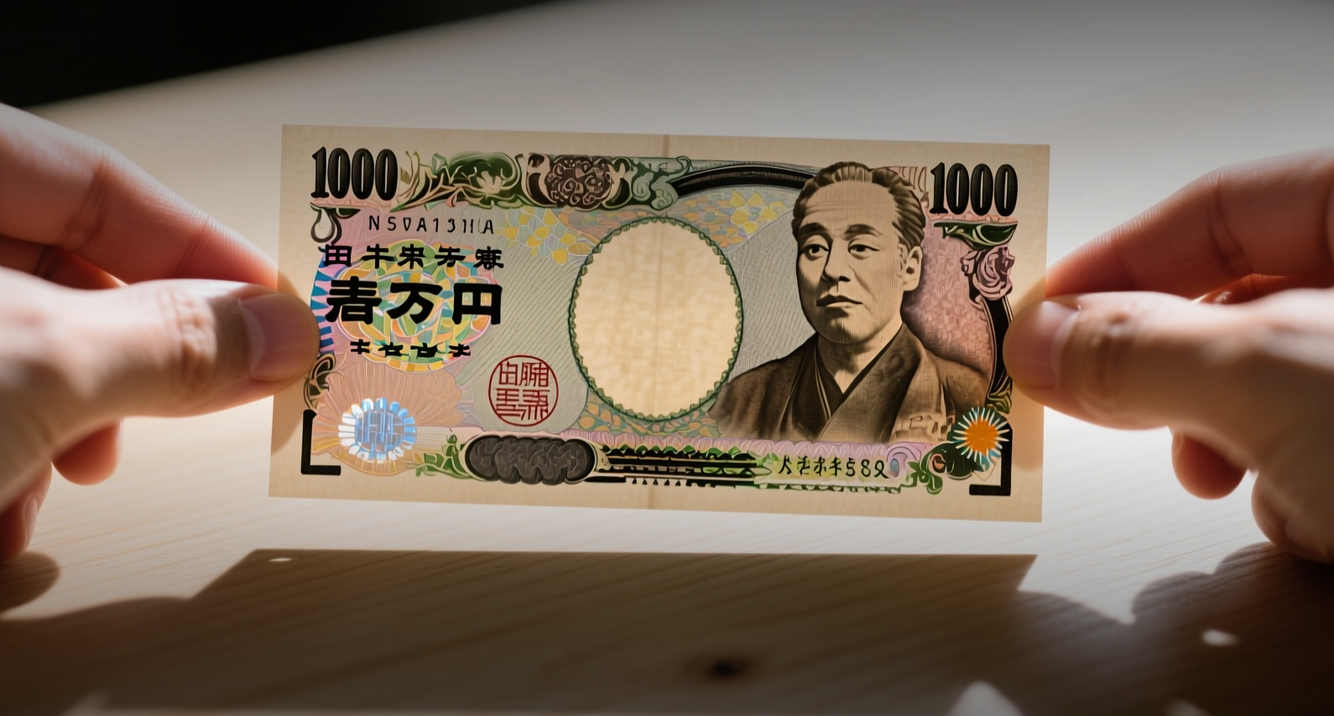
The Buffett Indicator flashes red at market-peak levels as the yen surged on $5 billion to $10 billion of coordinated US-Japan intervention.
"Coordinated FX intervention works," said Elias Haddad, senior currency strategist at Brown Brothers Harriman. "Since 1998, all three coordinated US FX intervention episodes were successful."
The dollar's decline was broad-based, with DXY expected to retreat into a 96.00-100.00 range. USD/JPY is on track to trade closer to 140.00, the level implied by US-Japan real 10-year bond yield spreads. The intervention follows the Plaza Accord of 1985 and the Louvre Accord of 1987 as the most significant coordinated currency actions in decades.
The valuation question matters because Fed Chair Kevin Warsh has effectively outsourced inflation fighting to financial markets, raising the risk of a delayed policy response if price pressures reaccelerate. This week's July ISM price subindexes could be bigger volatility triggers than Friday's nonfarm payrolls report, with consensus looking for +85,000 jobs versus +57,000 in June.
Japanese Finance Minister Satsuki Katayama is expected to confirm the coordinated FX action on Monday. The US Treasury stepped in alongside Japan to buy $5 billion to $10 billion worth of yen on Friday. History is clear on the effectiveness of joint intervention: the 1998 operation saw USD/JPY peak at 147.66 before bottoming at 101.25 in November 1999; the 2000 euro support operation preceded a rally from 0.8230 to 1.6038 by July 2008; and the 2011 yen-buying intervention preceded a move from 75.35 to 125.86 by June 2015.
The broader precedents are the 1985 Plaza Accord and 1987 Louvre Accord. On September 22, 1985, the US, France, Japan, Germany, and the UK coordinated to weaken the dollar versus the yen and Deutsche Mark to correct trade imbalances. As the dollar fell more than expected, the same nations plus Canada signed the Louvre Accord on February 22, 1987, to stabilize the currency.
The Reserve Bank of India is widely expected to hold the policy rate at 5.25% for a fourth consecutive meeting on Wednesday. Positive real rates, RBI intervention to strengthen INR, and measures announced in June to strengthen capital inflows bode well for the rupee. India's push to attract overseas capital has brought in nearly $41 billion since June, covering almost twice the country's current account deficit.
Banco Central do Brasil is widely expected to deliver a fourth straight 25-basis-point cut to 14.00% on Wednesday. The BCB has room to remove policy restrictiveness as the policy rate sits well above the bank's estimate of the neutral rate of 8%. Brazil's strategic exposure to commodities linked to energy, AI, and defense continues to support the real, which is up nearly 8% versus the dollar this year — the top performing major currency.
Mexico's central bank is widely expected to hold the policy rate at 6.50% for a second straight month on Thursday. At its June 25 meeting, Banxico's statement indicated the Governing Board estimates it will be appropriate to maintain the reference rate at its current level. A cautious Banxico and firm crude oil prices continue to underpin the peso.
The Czech National Bank is widely expected to hold rates at 3.75% on Thursday after delivering a well-telegraphed 25-basis-point hike in June — its first rate increase in four years. The koruna remains supported by attractive carry and a favorable balance of payments backdrop.
US nonfarm payrolls are expected to show +85,000 jobs added in July versus +57,000 in June, with the unemployment rate seen unchanged at 4.2%. The June JOLTS report on Tuesday is expected to remain consistent with a stabilizing labor market, while ADP private payrolls on Wednesday are seen at +68,000 versus +98,000 in June.
The July Manufacturing ISM on Monday and Services ISM on Wednesday will be closely watched. The prices paid subindexes will offer clues on whether inflation has peaked or upside pressure remains. Either outcome is unlikely to be dollar-positive: softer price pressures can pull Fed funds rate expectations lower, while rising price pressure would revive concerns that the Fed is falling behind the curve.
In the G10, Switzerland's July CPI on Monday is expected at 0.4% year over year versus 0.5% in June, giving the SNB room to keep rates at 0.00%. New Zealand's Q2 labor market data on Tuesday is expected to show the unemployment rate at 5.4% versus 5.3% in Q1, supporting the case for additional RBNZ hikes. Sweden's July CPIF on Thursday is expected at 0.7% year over year, well below the 2% target, though the Riksbank signaled in June that the probability of a rate hike later this year has increased. Canada's July labor report on Friday is expected to show +10,000 jobs added with the unemployment rate at 6.5%.
This article is for informational purposes only and does not constitute investment advice.
