BofA Securities downgraded Li Ning to neutral from buy, cutting its target price 24 percent to HKD15.9 as weak demand clouds the second half.
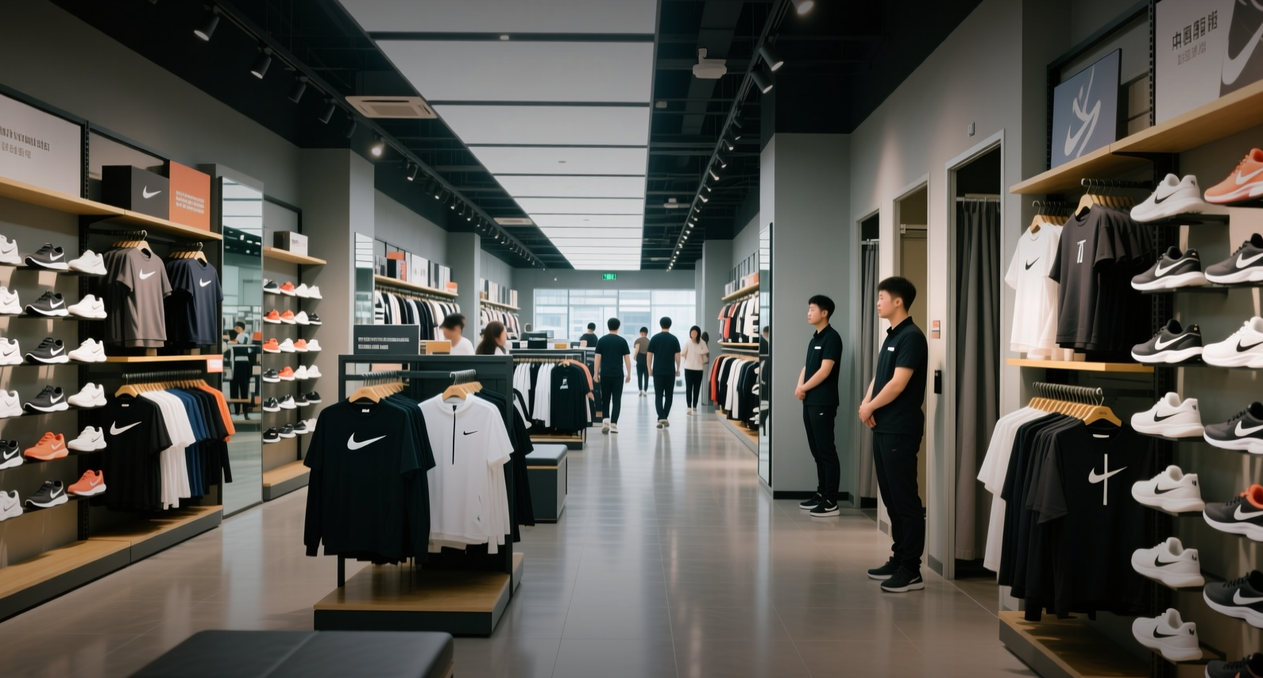
The broker turned cautious on the second half because of soft consumer spending, a more fragmented industry as vertical brands gain share, and discount pressure from inventory clearance by Nike distributors, BofA Securities said in a note dated Aug. 24.
BofA cut its 2026 and 2027 earnings-per-share forecasts for the Hong Kong-listed sportswear maker by 19 percent and 24 percent respectively, and expects further cuts ahead. The downgrade follows Li Ning's first-half results, which showed revenue up 2.8 percent year on year to RMB 15.235 billion and net profit up 4.5 percent to RMB 1.816 billion, with gross margin beating at 50.9 percent. Management lowered its full-year revenue growth target to low single digits from high single digits and trimmed its net profit margin guidance to mid-to-high single digits, implying a weak second half.
Li Ning shares fell 5.2 percent to HKD13.51 on the downgrade, near the bottom of their 52-week range. The new target implies about 18 percent upside, but BofA's expectation of more earnings cuts suggests the stock faces further pressure as Nike's decision to end online platform channel rights for distributors TOPSPORTS and Pou Sheng from January 2027 deepens industry discounting.
The downgrade lands as Li Ning's first-half report showed a business still growing but at a slower clip. Apparel revenue climbed 12 percent while footwear rose just 1 percent and accessories fell 18 percent, with professional products accounting for 57 percent of revenue. Operating cash flow dropped 60.4 percent to RMB 954 million, partly because of prepayments tied to the company's new partnership with NBA star Stephen Curry, while the net cash position held at RMB 19.391 billion.
The rising advertising and promotion expense ratio further reduced earnings visibility, BofA said. Li Ning's marketing spending climbed RMB 377 million in the first half as it deepened Olympic sponsorship and signed the Curry deal, a 10-year agreement the industry values at more than $400 million.
The cautious call echoes pressure across China's sportswear sector, where rivals including Anta Sports and Xtep face the same "strong supply, weak demand" dynamic. Retail sales of sports and entertainment supplies fell 2.2 percent year on year in the second quarter, and Li Ning's own basketball retail revenue dropped 13 percent in the first half.
The downgrade signals that Li Ning's margin beat is unlikely to offset a deteriorating demand picture, and BofA's forecast for further cuts points to more downside risk. Investors will watch second-half retail sell-through and the impact of the Curry-brand launch on basketball revenue for signs of a turnaround.
This article is for informational purposes only and does not constitute investment advice.